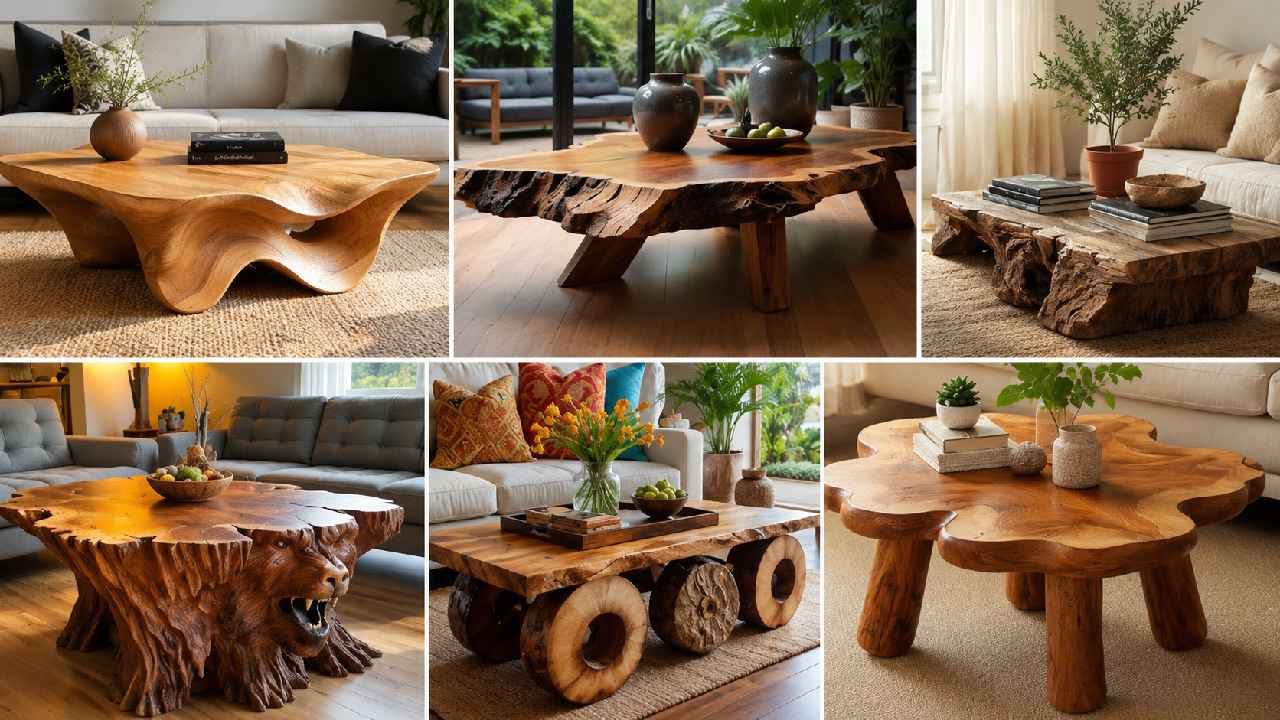
Mayumiotero – Coffee Table Design plays a much bigger role than many people realize. Although a coffee table occupies only a small area, it naturally becomes the center of attention once family members and guests gather in the living room. It holds drinks, books, flowers, and everyday essentials while quietly bringing the seating area together. Because of that, designers often treat the coffee table as both functional furniture and a decorative statement. A thoughtfully selected piece creates harmony between the sofa, rug, lighting, and surrounding décor. Moreover, it helps establish the overall personality of the room. Whether you prefer a minimalist apartment or a luxurious home, the right coffee table enhances comfort without overwhelming the space. That balance explains why homeowners continue investing in quality furniture that combines beauty with practical everyday use.
Read Also: Realme Ends Realme UI Era and Embraces ColorOS for a Unified Future
Start with the Right Size and Shape
Every successful Coffee Table Design begins with proper proportions. Before choosing materials or colors, measure the available space carefully. A table that feels too large restricts movement, while one that feels too small may look disconnected from the seating arrangement. Interior designers usually recommend leaving comfortable walking space around every side of the table. Likewise, the table height should remain close to the sofa seat for everyday convenience. Shape also influences the atmosphere. Round tables soften compact rooms and improve circulation. Rectangular models complement longer sofas, whereas square designs work beautifully with sectional seating. Oval tables combine elegance with practicality by offering generous surface space and rounded edges. Choosing the correct dimensions first makes every decorative decision easier later in the design process.
Materials Shape Both Style and Durability
Materials strongly influence how a Coffee Table Design feels inside a room. Solid wood remains a timeless favorite because it introduces warmth and natural texture. Oak, walnut, and ash continue to dominate modern interiors thanks to their durability and elegant grain patterns. Marble creates a luxurious impression while adding visual weight to contemporary spaces. Meanwhile, glass reflects light and helps compact rooms appear more open. Metal frames introduce industrial character and pair beautifully with wooden or stone surfaces. Recently, many homeowners have embraced mixed-material furniture because it combines different textures within one design. For example, a walnut top resting on a black steel frame creates contrast without feeling excessive. Selecting high-quality materials also extends furniture lifespan, making the investment worthwhile over many years.
Minimalist Designs Continue to Lead Interior Trends
Minimalism continues influencing Coffee Table Design because homeowners increasingly value clean, uncluttered living spaces. Instead of elaborate carvings or heavy ornamentation, modern designs emphasize simple geometry, balanced proportions, and refined craftsmanship. Straight lines, neutral colors, and natural finishes allow the furniture to complement many decorating styles. Furthermore, minimalist tables rarely compete with surrounding décor. Instead, they quietly support the overall composition of the room. This flexibility explains why Scandinavian and Japandi interiors remain popular worldwide. Both styles celebrate simplicity while maintaining warmth through wood textures and soft colors. In my opinion, minimalist furniture feels timeless because trends change, yet thoughtful simplicity rarely loses its appeal. Consequently, homeowners enjoy greater long-term satisfaction with their furniture choices.
Functional Features Add Everyday Convenience
Modern Coffee Table Design offers much more than attractive appearance. Today’s furniture often includes practical features that improve daily living. Hidden storage compartments help organize remote controls, magazines, and charging cables without creating visual clutter. Lift-top mechanisms transform coffee tables into comfortable workstations for laptops or casual dining. Open shelves provide extra room for books and decorative accessories while maintaining an airy look. Some manufacturers even design nesting tables that slide neatly beneath each other when additional surface space is unnecessary. These thoughtful solutions prove that beautiful furniture can also simplify everyday routines. Rather than choosing style over function, homeowners now enjoy products that deliver both. This combination reflects how modern interior design continues adapting to changing lifestyles.
Read Also: How to Make Your Own Aromatherapy Candles at Home
Decorating Your Coffee Table with Balance
Styling a Coffee Table Design requires restraint instead of excess. Rather than filling every corner with decorative objects, create one balanced composition that feels intentional. Many interior stylists begin with a stack of attractive books because books introduce height and personality. Next, they add a ceramic vase filled with seasonal flowers or greenery to soften the arrangement. A scented candle or decorative tray often completes the display while keeping smaller objects organized. However, leave enough empty space for practical use. Family members still need room for coffee cups, snacks, or everyday essentials. Mixing different heights, textures, and natural materials creates visual interest without making the table appear crowded. This simple styling approach works beautifully across modern, classic, and contemporary interiors.
Sustainable Furniture Is Becoming a Smart Choice
Sustainability has become an important factor when selecting Coffee Table Design. More furniture manufacturers now prioritize responsibly sourced wood, recycled metal, and environmentally friendly finishes. These materials reduce environmental impact while maintaining excellent quality and durability. In addition, consumers increasingly appreciate furniture that lasts for many years instead of following short-lived trends. Investing in durable craftsmanship often reduces waste because homeowners replace furniture less frequently. Many designers also embrace reclaimed wood since every piece carries unique grain patterns and natural character. As a result, sustainable furniture often feels more authentic than mass-produced alternatives. Choosing environmentally responsible products supports healthier living spaces while encouraging better manufacturing practices across the furniture industry.
Thoughtful Coffee Table Design Elevates Every Living Room
A carefully chosen Coffee Table Design transforms far more than the center of a living room. It strengthens the relationship between furniture, improves everyday functionality, and expresses the homeowner’s personal taste. Every decision, from material selection to styling accessories, contributes to the atmosphere people experience when entering the room. Although design trends continue evolving, timeless principles remain unchanged. Proper proportions, quality craftsmanship, durable materials, and balanced decoration always create lasting value. Therefore, homeowners should focus on long-term comfort rather than temporary fashion. In the end, an outstanding coffee table does not simply occupy space. Instead, it becomes a welcoming centerpiece where conversations begin, memories grow, and everyday moments feel more enjoyable.