Mayumiotero – Inside Gothic Design, history and drama come together through strong architectural details and a distinctive atmosphere. The style traces much of its visual identity to Gothic architecture, which emerged in medieval Europe. Pointed arches, tall windows, elaborate carvings, and impressive vertical forms became defining features. However, Gothic design has continued to evolve far beyond its historical roots. Today, designers often borrow its dramatic character without recreating an entire medieval interior. Dark walls may meet clean furniture, while antique details can stand beside modern lighting. As a result, the style feels both historic and surprisingly adaptable. Its beauty comes from contrast rather than darkness alone. Light meets shadow, delicate decoration balances heavy materials, and old influences enter contemporary spaces. Therefore, Gothic design remains relevant because it offers something many modern interiors avoid: a strong sense of identity, emotion, and visual storytelling.
Read Also: France’s Supermarket Refrigeration Cyberattack Exposes a New Digital Threat
Medieval Architecture Shaped the Gothic Identity
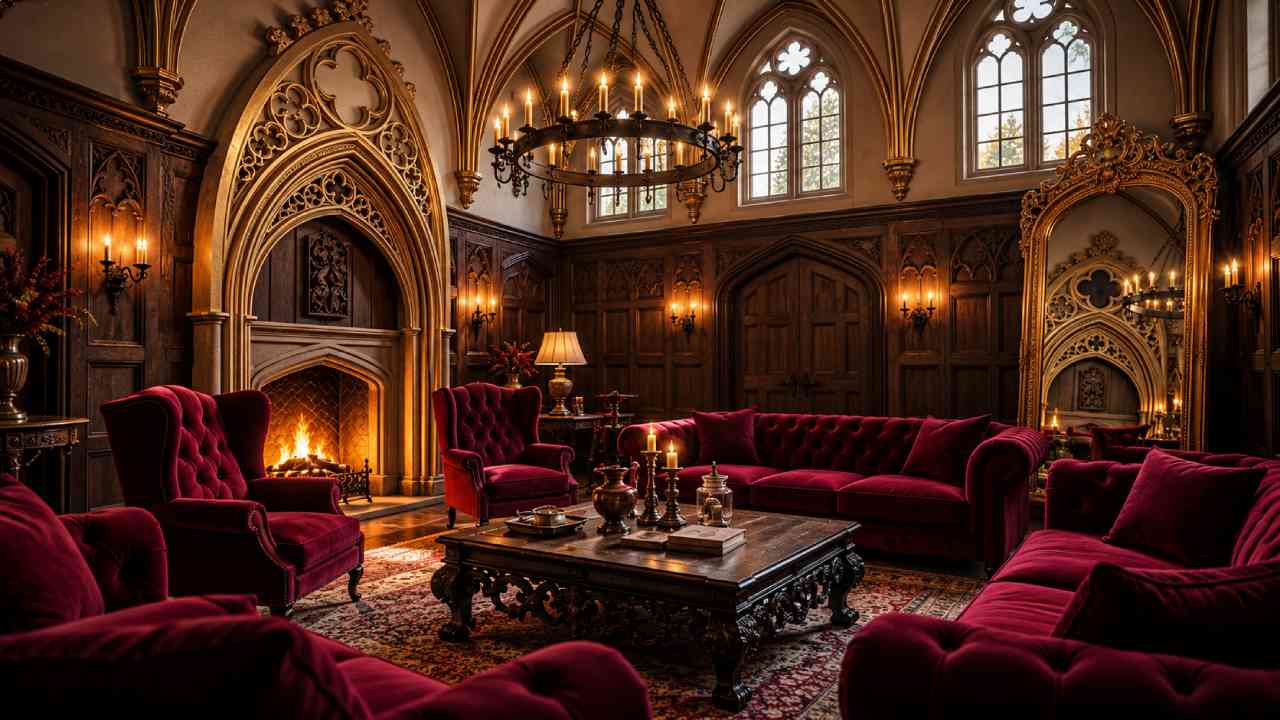
The Gothic aesthetic cannot be separated from the architecture that shaped it. From the 12th century onward, Gothic architecture transformed many European religious and civic buildings. Builders increasingly used pointed arches, ribbed vaults, and flying buttresses. These innovations helped structures reach greater heights while allowing larger windows to enter their walls. Consequently, interiors became more dramatic and filled with carefully controlled natural light. Stained glass added color and storytelling, while carved stone introduced extraordinary detail. Modern Gothic interiors rarely copy all these elements. Instead, designers select recognizable features and reinterpret them for everyday spaces. A pointed doorway, for example, can create a Gothic reference without dominating a room. Likewise, tall windows can strengthen vertical lines and make ceilings appear higher. This selective approach allows historical inspiration to remain visible while keeping the overall design practical, comfortable, and suitable for contemporary living.
Dark Colors Create Depth Rather Than Gloom
Color plays an important role Inside Gothic Design, yet black is only part of the story. Traditional and contemporary Gothic palettes can include charcoal, burgundy, forest green, navy, dark brown, and deep plum. These shades create depth and help decorative elements stand out. Meanwhile, brass, antique gold, silver, cream, or warm wood tones can soften the darker foundation. Balance is essential because an entirely dark room may lose visual definition. Therefore, designers often introduce contrast through ceilings, flooring, fabrics, artwork, or carefully placed lighting. Natural daylight can also transform dark surfaces throughout the day. A charcoal wall may appear almost black at night but reveal subtle texture under morning light. In my view, this changing character makes Gothic interiors particularly interesting. Rather than relying on bright colors for impact, they use shadow, material, and contrast to create an atmosphere that feels intimate, layered, and visually memorable.
Materials Give Gothic Interiors Their Rich Texture
Materials bring another layer of personality to Gothic spaces. Dark timber, natural stone, wrought iron, velvet, leather, stained glass, and aged metals often appear within the style. More importantly, these materials provide texture rather than simply decoration. Velvet curtains can soften stone surfaces, while polished wood introduces warmth beside metal details. Similarly, a leather chair can create a grounded contrast against ornate wall treatments. Modern interpretations usually benefit from restraint. Instead of filling every surface with decorative patterns, designers can choose a few materials that carry strong visual weight. For instance, one dark wooden cabinet may establish more character than several small Gothic accessories. Quality also matters because rich materials tend to become focal points. Consequently, their finish, scale, and placement deserve careful attention. This material-driven approach gives Gothic design a tactile quality. The room does not only look dramatic; it also feels layered, substantial, and carefully composed.
Lighting Turns Darkness Into Visual Drama
Lighting can determine whether a Gothic room feels sophisticated or unnecessarily gloomy. Historically inspired chandeliers, wall sconces, candles, and pendant lights are popular choices. Nevertheless, modern lighting technology makes the style far easier to adapt. Warm indirect lighting can highlight arches, textured walls, artwork, or carved furniture without overwhelming the space. Table lamps can create smaller pools of light, while hidden LED strips may emphasize architectural lines. In addition, natural light should not be ignored. Tall windows, sheer curtains, and reflective surfaces can prevent dark colors from making a room feel enclosed. The strongest Gothic interiors often use several light sources rather than one bright ceiling fixture. As a result, different areas develop their own mood and purpose. This layered approach also makes the room more comfortable after sunset. Ultimately, successful Gothic lighting is about controlling contrast. Darkness provides atmosphere, but carefully positioned light reveals the details that make the design worth exploring.
Modern Gothic Design Embraces Simpler Forms
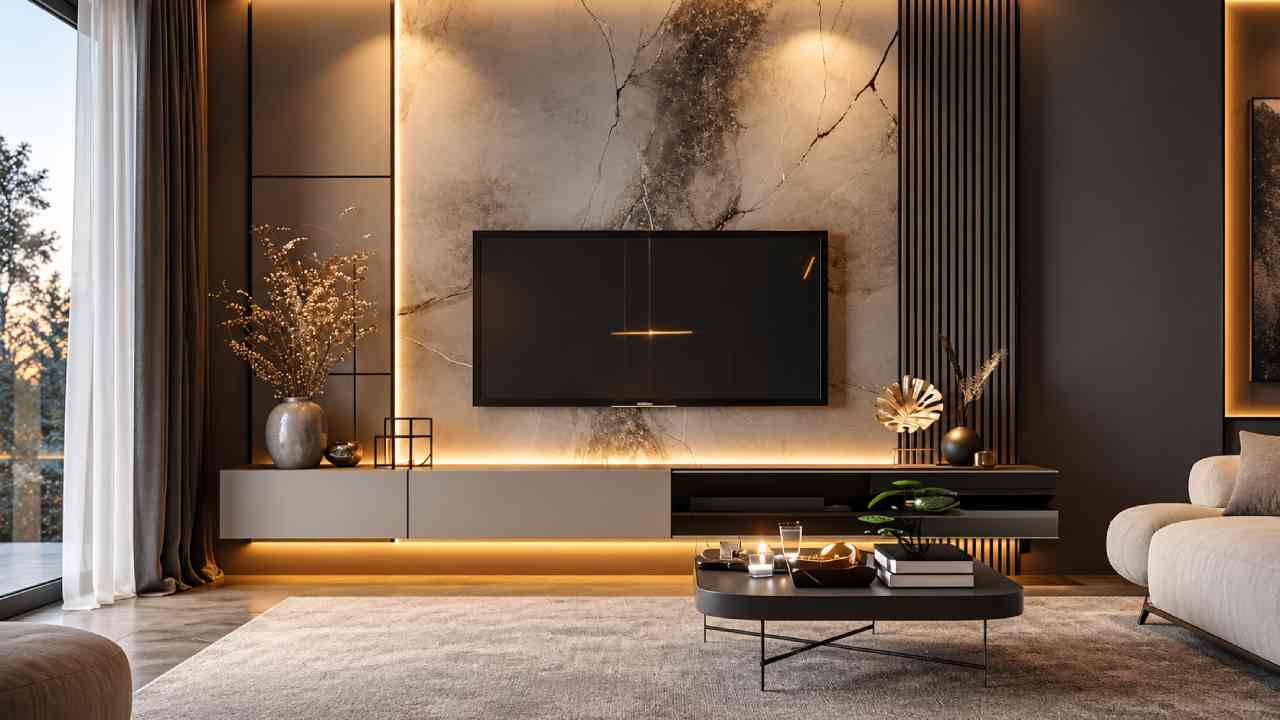
Modern Gothic design proves that dramatic interiors do not require excessive ornament. Contemporary designers often preserve Gothic influences while reducing visual clutter. For example, a room might feature matte charcoal walls, a streamlined velvet sofa, a pointed mirror, and one sculptural chandelier. The Gothic identity remains clear, yet the space still feels current. This approach works particularly well in apartments and smaller homes where traditional oversized furniture may feel too heavy. Furthermore, simple forms allow individual Gothic elements to receive more attention. Instead of competing with dozens of decorations, an arched doorway or antique cabinet can become the main visual statement. Modern materials also expand the possibilities. Glass, polished concrete, steel, and minimalist lighting can sit comfortably beside darker woods and vintage pieces. Therefore, Modern Gothic design is less about recreating history and more about translating its emotional qualities into a cleaner, more practical language for contemporary lifestyles.
Read Also: Gift Wrapping Art Turns Simple Presents Into Personal Masterpieces
Furniture Adds Elegance Without Sacrificing Comfort
Furniture gives Gothic interiors their human scale. Traditional examples may feature carved wood, high backs, curved details, and substantial proportions. However, comfort should remain a priority in modern homes. A dramatic chair has little value if nobody wants to sit in it. For that reason, contemporary Gothic spaces often combine statement furniture with simpler pieces. A carved cabinet can stand beside a clean-lined sofa, while an antique table may pair with modern chairs. Velvet upholstery works especially well because it introduces softness and depth without requiring complicated patterns. Meanwhile, dark wood creates warmth and reinforces the historical character of the room. Scale is equally important. Large furniture can suit spacious rooms with high ceilings, whereas smaller interiors benefit from lighter silhouettes. By balancing visual drama with practical use, designers can prevent Gothic spaces from feeling like theatrical sets. Instead, the room becomes expressive, comfortable, and genuinely suitable for everyday life.
Decorative Details Tell a More Personal Story
Decoration gives homeowners an opportunity to make Gothic style personal rather than predictable. Antique mirrors, botanical illustrations, sculptural objects, old books, framed artwork, metal candleholders, and patterned textiles can all contribute to the atmosphere. However, these pieces work best when they appear collected rather than staged. A room filled with obvious Gothic symbols may quickly feel artificial. In contrast, a smaller selection of meaningful objects creates a stronger narrative. Vintage pieces can also introduce age and imperfection, which often complement dark interiors beautifully. Meanwhile, contemporary art can provide an unexpected contrast against historical references. Plants offer another useful addition because their organic forms soften rigid architectural lines. Deep green foliage also works naturally with burgundy, charcoal, and dark timber. Therefore, successful Gothic decoration depends on editing. Each object should support the room’s character while leaving enough visual space for materials, architecture, furniture, and lighting to remain equally important.
Gothic Design Continues to Feel Timeless
The lasting appeal of Gothic design comes from its ability to create emotion through space. Many modern interiors prioritize simplicity, brightness, and visual neutrality. Gothic design offers a different experience. It embraces shadow, texture, history, and expressive details without necessarily rejecting modern comfort. Moreover, the style can evolve with changing tastes. Homeowners can introduce only a few Gothic elements or develop an entire interior around the aesthetic. This flexibility explains why Gothic influences continue to appear in bedrooms, libraries, restaurants, boutique hotels, and contemporary homes. The strongest examples avoid treating darkness as the main attraction. Instead, they build atmosphere through proportion, craftsmanship, materials, light, and contrast. Inside Gothic Design lies a useful lesson for modern interiors: memorable spaces do not always need to follow temporary trends. Sometimes, a clear identity and carefully controlled drama can give a room a beauty that remains compelling for generations.