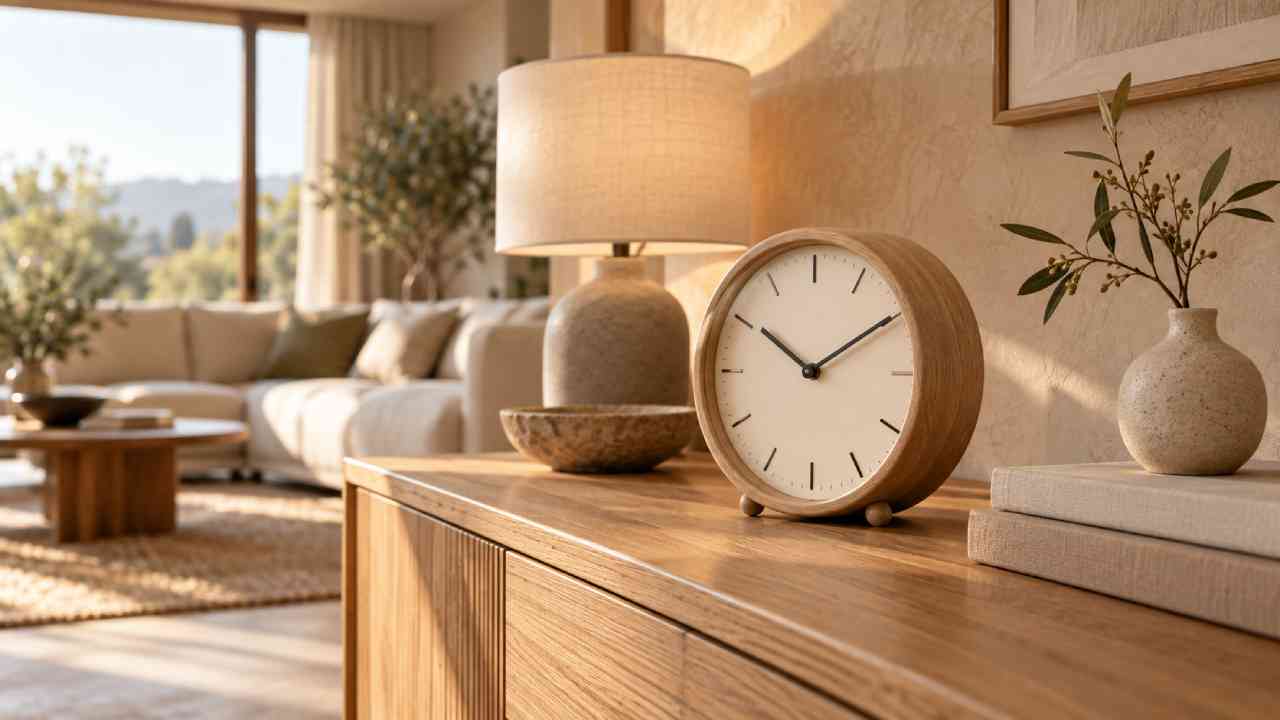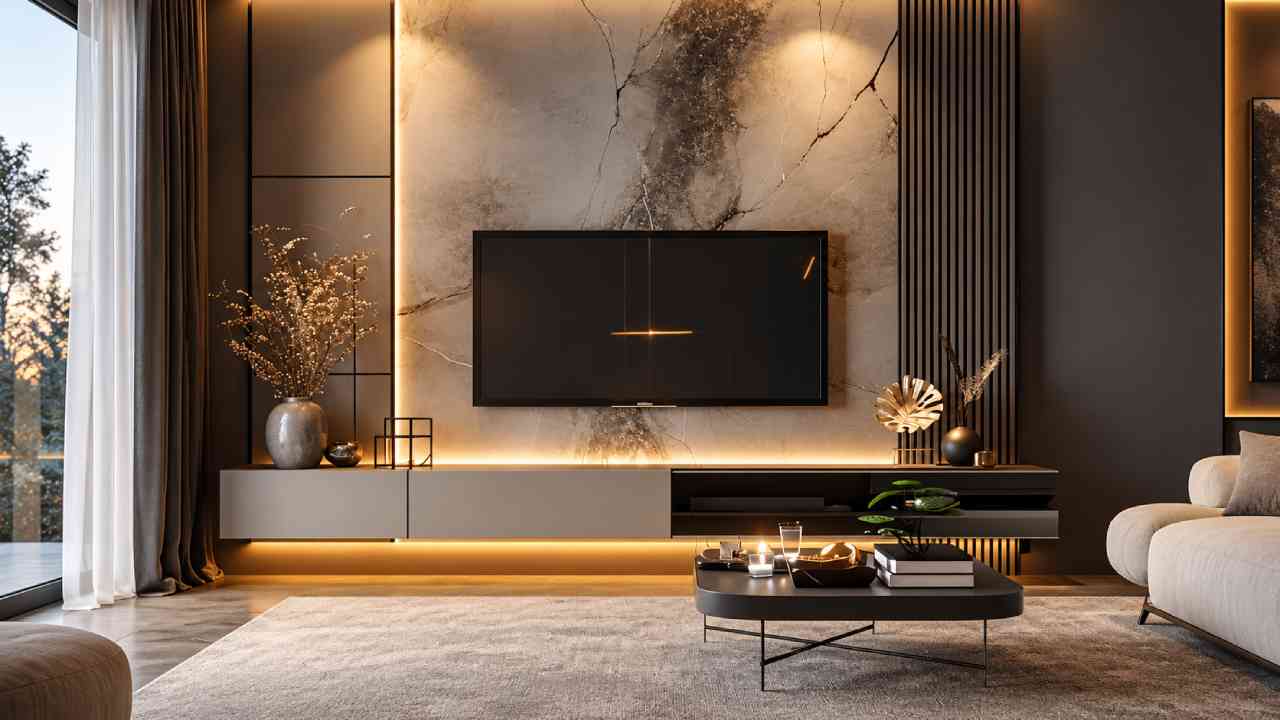
Mayumiotero – A Minimalist TV Room can become one of the most comfortable spaces in a modern home. Instead of filling the room with furniture and decorations, this concept focuses on what truly matters. Clean lines, practical storage, warm lighting, and comfortable seating create a calm atmosphere. As a result, the room feels organized without looking empty. Moreover, minimalist design can work in both small apartments and spacious houses. The key is not simply removing objects. Rather, it is about choosing furniture and details with a clear purpose. A simple TV wall, for example, can become an attractive focal point when paired with natural materials. Soft fabrics and neutral colors can also make the space feel warmer. Therefore, a well-planned TV room offers more than visual appeal. It creates a relaxing place where people can watch movies, spend time together, or simply unwind after a busy day.
Read Also: What Is a Firewall? Meet the Digital Guard Protecting Your Devices
Start With a Simple and Functional Layout
A successful Minimalist TV Room begins with a practical layout. Before choosing furniture, consider how people will move through the space. The sofa should face the television comfortably without blocking doors or important walkways. Meanwhile, enough open space should remain around the main furniture. This simple approach makes the room feel larger and easier to use. In smaller homes, oversized furniture can quickly make a TV room feel crowded. Therefore, compact sofas, floating cabinets, and lightweight tables are often better choices. A larger room gives you more freedom, but balance remains important. For instance, a sectional sofa can define the viewing area without adding unnecessary partitions. Most importantly, the layout should support everyday habits. Think about where people place drinks, store remote controls, or charge devices. When every element has a purpose, the room becomes naturally organized. Consequently, minimalist design feels practical rather than restrictive.
Create a Clean TV Wall as the Main Feature
The television naturally attracts attention, so the wall behind it deserves careful planning. However, an effective TV wall does not need complicated decoration. A smooth painted surface can already create a polished appearance. Alternatively, wood panels can introduce texture and warmth without making the room feel busy. Floating cabinets are another useful addition because they provide storage while keeping the floor visually open. Furthermore, cables should remain hidden whenever possible. Visible wires can interrupt the clean appearance that defines minimalist interiors. Built-in cable channels or concealed outlets can solve this problem neatly. You can also add subtle lighting behind the television or wall panel. This detail gives the wall more depth, especially during the evening. Still, avoid adding too many shelves or ornaments around the screen. The television, cabinet, and background material should work together as one composition. In this way, the feature wall looks intentional, modern, and easy on the eyes.
Choose a Warm and Timeless Color Palette
Neutral colors remain popular in minimalist interiors because they create visual calm. Yet a Minimalist TV Room does not have to look completely white. Warm beige, soft gray, cream, taupe, and natural wood can make the space feel more welcoming. These shades also work well together, which makes decorating easier. For example, warm white walls can provide a clean background for an oak TV cabinet. Then, a beige sofa and textured rug can soften the overall appearance. Small darker accents may provide contrast without dominating the room. However, too many competing colors can weaken the minimalist effect. Therefore, it helps to choose a limited palette and repeat those tones throughout the room. Natural daylight will also influence how each color appears during the day. For this reason, paint samples should ideally be viewed under different lighting conditions. A balanced palette creates a timeless foundation and allows furniture, textures, and lighting to stand out naturally.
Make Comfortable Seating a Priority
Minimalist design should never sacrifice comfort. After all, a TV room exists primarily for relaxation. Therefore, the sofa deserves as much attention as the visual design. Choose seating with supportive cushions, a comfortable depth, and proportions that suit the room. In a compact space, a two- or three-seat sofa may provide enough comfort without overwhelming the layout. Meanwhile, larger rooms can accommodate sectional seating or an additional lounge chair. The distance between the sofa and television also matters. A screen that feels too close can make long viewing sessions uncomfortable. Conversely, placing a smaller television too far away can reduce the viewing experience. Beyond the sofa, a soft rug can make the area feel more inviting. Cushions and a light throw can add another layer of comfort. However, these accessories should follow the main color palette. By combining simple forms with comfortable materials, the room can remain visually clean while still feeling genuinely pleasant to use.
Use Hidden Storage to Reduce Visual Clutter
Clutter can quickly change the atmosphere of a relaxing room. For that reason, smart storage plays an important role in a Minimalist TV Room. Closed cabinets are especially useful because they hide items that do not need to remain visible. Remote controls, game accessories, chargers, cables, and small electronics can all have dedicated spaces. As a result, cleaning becomes easier and the room stays organized for longer. Floating TV cabinets work particularly well because they provide storage without creating a heavy visual block. Alternatively, built-in cabinets can maximize awkward wall areas. Their doors can use simple profiles or handle-free designs to maintain a streamlined appearance. Nevertheless, storage should not encourage unnecessary accumulation. Occasionally reviewing what is stored can prevent cabinets from becoming overcrowded. Open shelves can still be included, but they work best when used selectively. A few books or decorative objects are usually enough. Ultimately, good storage keeps everyday necessities accessible while protecting the calm character of the room.
Layer the Lighting for a Cozy Atmosphere
Lighting can completely change how a minimalist interior feels. A single bright ceiling light may provide enough illumination, but it can make the room feel flat. Instead, layered lighting creates a softer and more comfortable atmosphere. Start with general ceiling lighting for everyday activities. Then, add indirect light behind the television panel, under a floating cabinet, or along selected architectural details. A floor lamp can also provide gentle illumination beside the sofa. Additionally, warm-toned lighting often works well in spaces designed for relaxation. It can complement wood surfaces, beige fabrics, and other natural materials. However, avoid placing bright lights where they create reflections on the television screen. Dimmable fixtures can be particularly useful because they allow the mood to change throughout the day. Brighter settings work well when cleaning or entertaining guests. In contrast, softer light is more suitable for movies. Thoughtful lighting therefore makes the room both functional and atmospheric without relying on excessive decoration.
Add Texture Instead of Excessive Decoration
A minimalist room can sometimes feel unfinished when every surface is perfectly smooth. Texture solves this problem without introducing unnecessary visual clutter. For instance, a woven rug can contrast beautifully with a smooth cabinet. Linen curtains can soften large windows, while wood grain can add natural character to a simple TV wall. Bouclé, cotton, wool, and other tactile fabrics can also make seating feel more inviting. Furthermore, texture creates visual depth even when the room uses only a few colors. This makes it especially useful for neutral interiors. Decorative objects can still have a place, although restraint is important. One ceramic vase, a small group of books, or a carefully positioned indoor plant may have more impact than many small accessories. Similarly, one large artwork can look cleaner than a crowded gallery wall. The goal is to create interest without distraction. Consequently, texture becomes an effective design tool for making minimalist spaces feel warm, layered, and personal.
Read Also: How to Make Beautiful Beaded Bracelets at Home with Simple Materials
Bring Natural Materials Into the Space
Natural materials can prevent modern minimalist rooms from feeling cold or overly polished. Wood is one of the easiest materials to introduce because it works across many interior styles. Light oak can create a Scandinavian or Japandi mood, while darker timber can give the room a more sophisticated character. Stone, rattan, linen, and wool can also contribute subtle variations in texture. However, there is no need to use every material at once. A wooden TV cabinet, linen curtains, and a textured rug may already provide enough warmth. Indoor plants can add another natural element while introducing gentle color. In addition, natural materials often age with character, which can make the interior feel less dependent on short-lived trends. The important point is consistency. Materials should complement the room’s existing palette instead of competing for attention. When used thoughtfully, they create an environment that feels calm and grounded. This approach makes minimalist design more comfortable for everyday living.
Personalize the Room Without Losing Simplicity
A minimalist interior should still reflect the people who live there. Otherwise, even a beautifully designed room can feel more like a showroom than a home. Personal details provide character, but they should be selected carefully. Family photographs can be displayed in matching frames, for example. A favorite artwork can become a focal point on an otherwise simple wall. Likewise, travel objects, books, or handmade ceramics can tell a story without overwhelming the room. The key is editing. Instead of displaying every meaningful item, choose a few pieces that deserve attention. You can also rotate decorative objects occasionally, which keeps the room feeling fresh without buying something new. Moreover, personal style can appear through fabric, furniture shapes, and material choices rather than decoration alone. A distinctive lounge chair or textured rug may say more than several small ornaments. In this way, simplicity does not remove personality. Instead, it gives meaningful details enough visual space to be appreciated.
Design a Minimalist TV Room That Works Every Day
The strongest minimalist interiors are not designed only for photographs. They support everyday life. Therefore, think about how the Minimalist TV Room will function on a normal evening. People may watch movies, play games, talk with family members, or enjoy a quiet cup of coffee. Furniture and storage should make those activities easier. At the same time, materials should be practical enough for regular use. Easy-to-clean fabrics may be valuable in homes with children or pets. Durable surfaces can also reduce maintenance over time. Most importantly, avoid following trends that do not suit your lifestyle. A beautiful floating cabinet has little value if it cannot hold the equipment you actually use. Similarly, an elegant sofa will disappoint if it is uncomfortable. Good minimalist design balances appearance with real needs. When comfort, organization, lighting, and personality work together, the TV room becomes a space people genuinely want to use every day.