Mayumiotero – Motion Graphic Design has changed the way people communicate visual ideas. Instead of relying only on static images, designers can use movement to guide attention and explain information. Text can slide into view, icons can transform, and illustrations can react to sound. As a result, simple graphics become more engaging. This approach is especially useful in a digital world filled with short videos. Audiences often decide within seconds whether they want to keep watching. Therefore, clear movement can help important information stand out without overwhelming the viewer. However, good motion design is not about making everything move. Every animation should have a purpose. A smooth transition can connect two ideas, while animated typography can emphasize a key message. When designers balance movement, timing, and composition, ordinary visual elements can become memorable stories.
Read Also: What Is a Firewall? Meet the Digital Guard Protecting Your Devices
Why Motion Graphics Have Become Important in Digital Media
Digital platforms have created a natural environment for moving visuals. Websites, mobile applications, advertisements, streaming platforms, and social media all compete for attention. Consequently, designers need ways to communicate messages quickly while keeping the experience visually appealing. Motion Graphic Design offers that flexibility. A brand can animate its logo for a video introduction. Meanwhile, a news publisher can use moving charts to explain complex statistics. Businesses can also transform product features into short visual demonstrations. Another advantage is adaptability. One visual concept can often be adjusted for several screen sizes and platforms. For example, a campaign may begin as a widescreen video. Designers can later adapt its visual language for vertical social content. Still, movement should support the message rather than distract from it. Effective motion graphics remain easy to understand. This balance between creativity and clarity makes the discipline valuable across modern digital communication.
The Core Elements Behind Effective Motion Graphic Design
Strong motion graphics begin with solid design fundamentals. Typography, composition, hierarchy, spacing, contrast, and visual balance remain important. Animation does not replace these principles. Instead, movement adds another layer to them. Timing is particularly important. An element that appears too quickly may become difficult to notice. On the other hand, slow movement can make an otherwise exciting sequence feel dull. Therefore, designers carefully control speed and rhythm. Easing also makes a significant difference. Objects rarely look natural when they start and stop at exactly the same speed. Subtle acceleration and deceleration can make digital movement feel smoother. In addition, visual hierarchy determines what viewers notice first. A headline may enter before supporting information, for example. The designer can then introduce smaller details gradually. Through this controlled sequence, the audience receives information in a logical order. Good motion design is therefore as much about communication as animation.
Typography Becomes More Powerful When Words Start Moving
Typography is one of the most recognizable parts of Motion Graphic Design. Designers often call moving text kinetic typography. It combines written language with timing, scale, position, and rhythm to create stronger visual communication. Consider a simple sentence in an advertisement. On a static poster, every word appears at once. In an animated sequence, however, individual words can appear according to their importance. A key phrase may grow larger, while supporting words enter more quietly. This technique can also follow narration or music. As a result, viewers do not simply read the words. They experience the message through both visual movement and sound. Yet restraint remains essential. Excessive movement can reduce readability, especially on small screens. Designers should give viewers enough time to process each phrase. When typography, timing, and hierarchy work together, even a short sentence can become a compelling visual moment.
From Storyboard to Animation: How the Creative Process Works
A polished motion graphic rarely begins inside animation software. Instead, the process usually starts with a clear idea. Designers first identify the message, audience, format, and desired emotional response. These decisions establish a creative direction. Next, designers may create a storyboard. It maps important scenes and helps the team understand how the sequence will develop. Style frames can then define colors, typography, illustrations, and overall visual character. After that, the animation stage begins. Designers create keyframes to control position, rotation, scale, opacity, and other properties. Transitions connect scenes, while easing creates smoother movement. Sound may also enter the process. Music, voice-over, and subtle sound effects can strengthen important visual moments. Finally, the project goes through review and refinement before rendering. This workflow prevents animation from becoming random decoration. More importantly, planning allows every movement to contribute to a larger visual story.
2D and 3D Motion Graphics Create Different Visual Experiences
Motion graphics are not limited to one visual style. Two-dimensional animation remains popular because it is clean, flexible, and effective for many communication needs. Designers can animate icons, illustrations, typography, charts, and geometric shapes without creating complex three-dimensional environments. In contrast, 3D motion graphics add depth, realistic lighting, materials, and camera movement. This approach often appears in technology advertising, product visualization, title sequences, and premium brand campaigns. Neither approach is automatically better. Instead, the right choice depends on the project’s message. A simple educational explainer may benefit from clean 2D graphics. Meanwhile, a futuristic smartphone advertisement might gain more impact from detailed 3D rendering. Hybrid approaches are also common. Designers can combine 2D typography with a three-dimensional product, for example. Ultimately, visual complexity should serve the concept. A technically impressive animation has little value if audiences cannot understand what it is trying to communicate.
Motion Graphics Help Brands Build Stronger Visual Identities
Brand identity once focused heavily on static elements such as logos, colors, and typography. Today, movement can become part of that identity as well. A logo may reveal itself in a particular way. Buttons may respond with distinctive transitions. Even typography can follow a recognizable motion pattern. These details create what designers often describe as a motion language. When used consistently, that language helps a brand feel familiar across videos, websites, applications, and social media. For example, a technology brand might use fast and precise transitions. A wellness company may prefer slower movement and softer visual changes. Both choices communicate personality without requiring lengthy explanations. However, consistency matters. Random animation styles can weaken the overall identity. Therefore, some design systems now include motion principles alongside traditional visual guidelines. This development shows how animation has moved beyond decoration. It can become an important part of how audiences recognize and experience a brand.
Read Also: Craft Villages Bring Traditional Creativity Into Modern Lifestyle
Motion Graphic Design Makes Complex Information Easier to Follow
One of the strongest uses of Motion Graphic Design is information visualization. Numbers, timelines, processes, and comparisons can feel difficult when presented as dense blocks of text. Animation can divide that information into smaller, easier steps. Imagine a chart showing business growth over several years. A static version presents the entire dataset immediately. An animated version can reveal each period gradually. This allows viewers to follow the development instead of searching through all the information at once. The same principle works for educational content. Arrows can illustrate movement, diagrams can reveal individual components, and labels can appear exactly when they become relevant. Nevertheless, designers must avoid unnecessary effects. Animation should clarify relationships rather than create visual noise. When information determines the movement, motion graphics can make complicated subjects feel approachable. In this sense, animation becomes more than entertainment. It becomes a practical tool for visual explanation and learning.
Human Creativity Still Defines the Quality of Motion Design
Modern design tools continue to make animation faster and more accessible. Templates can automate transitions, while emerging AI-assisted features can accelerate repetitive creative tasks. However, technology does not automatically create meaningful visual communication. A designer still needs to decide what deserves attention. They must understand pacing, audience expectations, emotional tone, and visual hierarchy. More importantly, they need to know when movement adds value and when a static image works better. This human judgment separates purposeful animation from visual clutter. Software can generate movement, but the designer gives that movement context. Therefore, learning Motion Graphic Design should involve more than mastering tools. Designers benefit from studying typography, composition, storytelling, editing, and basic animation principles. Experimentation also matters. Over time, repeated practice develops an instinct for timing and rhythm. The strongest work combines technical ability with thoughtful creative decisions.
The Future of Motion Graphic Design Goes Beyond Traditional Video
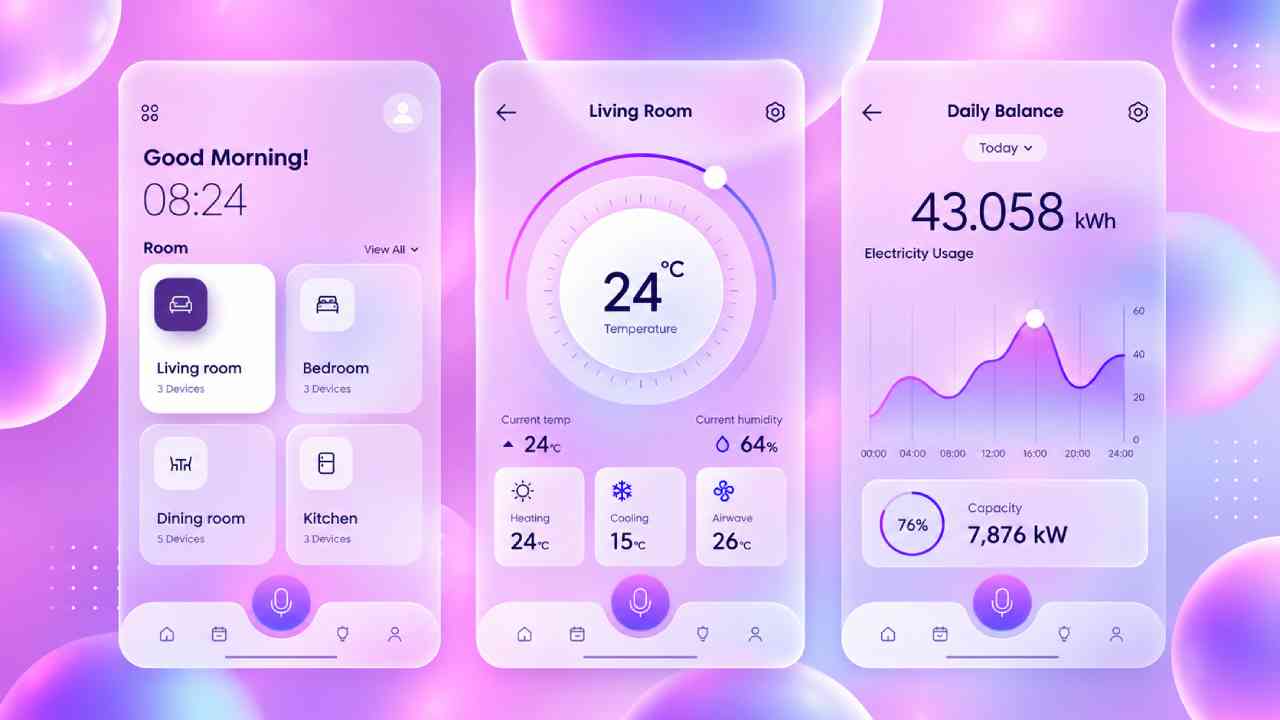
Motion Graphic Design continues to expand beyond conventional video production. Motion now appears inside websites, mobile interfaces, digital displays, product experiences, interactive presentations, and immersive environments. This wider use is changing what designers need to understand. For instance, interface animation must respond to user actions rather than follow a fixed timeline. A button may react instantly after a tap. A page transition may help users understand where they moved within an application. In these situations, motion becomes part of usability. At the same time, 3D tools and real-time rendering are creating new possibilities. Designers can develop visuals that react dynamically instead of playing exactly the same way every time. Despite these changes, the fundamental goal remains familiar. Motion should communicate an idea clearly. Tools will continue to evolve, but thoughtful storytelling, strong visual hierarchy, and intentional movement will remain at the heart of effective motion design.