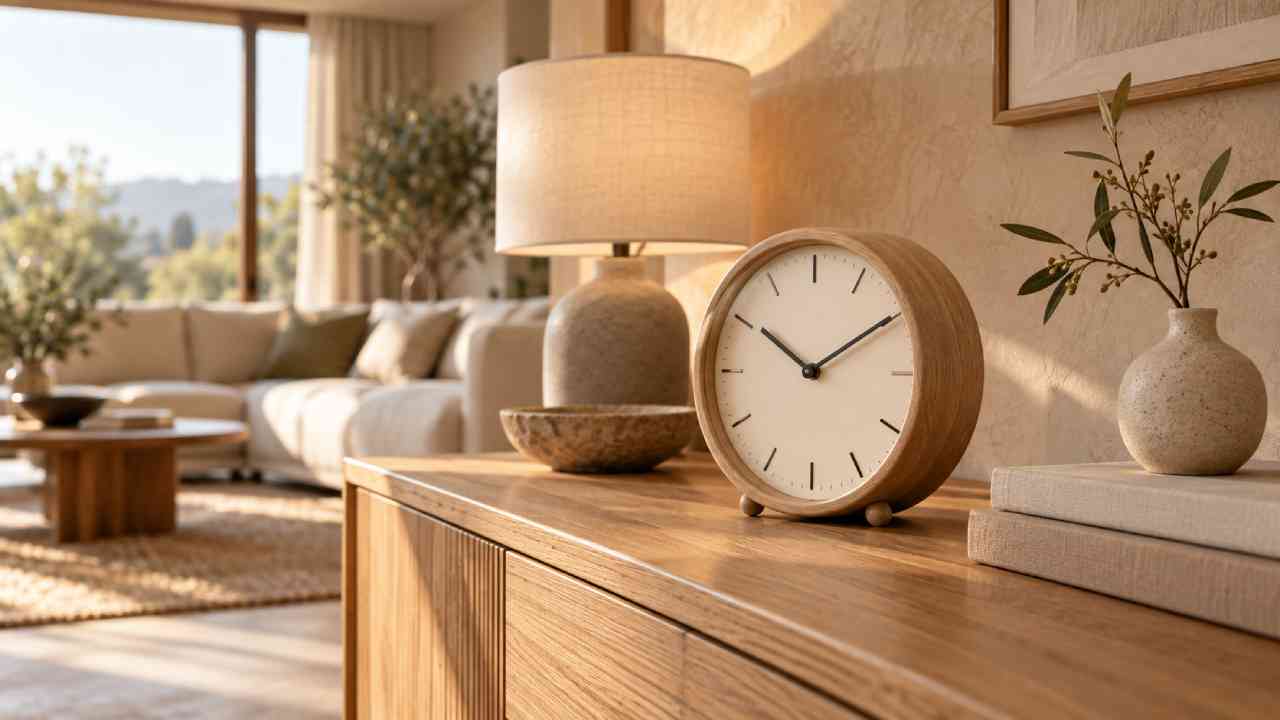
Mayumiotero – Dark Academia brings the atmosphere of old libraries, historic universities, and quiet reading rooms into modern interiors. The style feels intellectual, nostalgic, and slightly mysterious without losing its sense of comfort. Instead of bright colors and highly polished surfaces, it embraces deeper tones, aged materials, books, art, and warm lighting. As a result, a room can feel collected over time rather than decorated overnight. This quality makes the aesthetic especially appealing to people who want more personality at home. However, creating the look does not require turning every room into an antique library. Modern furniture can sit comfortably beside vintage-inspired pieces. Meanwhile, carefully chosen colors and textures can establish the mood without overwhelming the space. The result is an interior that feels elegant and personal while still working for everyday life.
Read Also: Simple Ways to Speed Up Booting on Windows 11
Rich Colors Create the Signature Mood
Color plays an important role in creating a convincing Dark Academia interior. Deep brown, forest green, charcoal, burgundy, navy, and muted black are natural starting points. However, these shades work best when balanced with warmer neutrals. Cream, beige, faded gold, and natural wood can prevent the room from feeling too heavy. For example, a forest-green wall can become the backdrop for a walnut desk and a warm beige chair. Brass lighting can then introduce a subtle glow. In addition, lighter curtains or an understated rug can soften the darker palette. The goal is not to make the room gloomy. Instead, the colors should create depth and intimacy. This balance becomes especially important in smaller homes, where too many dark surfaces may visually reduce the space. Thoughtful contrast keeps the aesthetic dramatic yet comfortable.
Dark Wood Adds Warmth and Character
Wood is one of the most recognizable materials within this aesthetic. Walnut, mahogany, oak, and other richly toned finishes can instantly give a room more visual depth. A large wooden bookcase creates an obvious focal point. Still, smaller pieces can produce a similar effect. A writing desk, side table, picture frame, or wooden cabinet may be enough to establish the theme. Furthermore, furniture does not need to look perfectly new. Slight imperfections, visible grain, and aged finishes can make the room feel more authentic. This approach also encourages homeowners to combine new furniture with vintage finds. Rather than buying a complete matching set, pieces can be collected gradually. Consequently, the interior develops more character over time. In many cases, this layered approach feels warmer and more natural than a room filled with identical furniture.
Books Become Part of the Interior Story
Few elements represent Dark Academia as strongly as books. They introduce color, texture, and personality while supporting the intellectual character of the style. However, a large private library is not necessary. Even one thoughtfully arranged shelf can transform a quiet corner. Hardcover novels, art books, history titles, and classic literature can sit alongside framed artwork or small decorative objects. Meanwhile, books placed on a coffee table can make a living room feel relaxed and lived-in. The key is avoiding an arrangement that appears overly staged. A book left beside a chair or several titles stacked near a reading lamp can feel more natural. More importantly, books should ideally reflect genuine interests. When decoration connects with the homeowner’s personality, the room feels authentic. Therefore, the aesthetic becomes more than a visual trend. It becomes part of how the space is actually used.
Warm Lighting Softens the Darker Palette
Lighting can completely change the atmosphere of a Dark Academia room. Bright overhead lighting may flatten the deep colors that give the style its character. Instead, several smaller light sources often create a more inviting effect. Table lamps, floor lamps, wall sconces, and shaded fixtures can produce softer layers of illumination. Brass and antique-inspired fixtures also complement dark wood particularly well. During the day, natural light should still be welcomed whenever possible. Heavy curtains can frame a window, but they do not need to block every ray of sunlight. Then, as evening arrives, warm lamps can take over and create a calm reading atmosphere. This transition between daylight and softer evening illumination gives the room greater visual depth. In practical terms, layered lighting also makes the space easier to use for reading, working, relaxing, or entertaining.
Vintage Details Add Personality Without Creating Clutter
Decorative objects help tell the story behind the aesthetic. Old-style clocks, framed botanical prints, sculptures, candlesticks, globes, and vintage-inspired artwork can all work beautifully. Nevertheless, moderation is important. Filling every surface with decorative objects can quickly make a modern home feel crowded. Instead, a few distinctive pieces often create a stronger impression. For instance, one ornate mirror above a simple console can provide enough historical character. Likewise, a classic desk lamp can make a contemporary workspace feel more atmospheric. Mixing old and new pieces also keeps the style fresh. This is particularly useful for people who enjoy Dark Academia but still prefer clean interiors. By allowing some surfaces to remain simple, each vintage element receives more attention. Ultimately, thoughtful editing makes the room feel curated rather than themed.
Modern Furniture Keeps Dark Academia Fresh
A common misconception is that every piece of furniture must look antique. In reality, contemporary furniture can make the style more suitable for modern lifestyles. A streamlined sofa in brown, cream, or charcoal can sit beside an antique-inspired side table. Similarly, a simple black bookshelf can become more atmospheric when filled with books and warm lighting. This contrast creates an interior that feels current while preserving its old-world influence. Comfort should also remain a priority. A beautiful reading chair loses its appeal if nobody wants to sit in it. Therefore, furniture should support daily routines before serving the aesthetic. Storage is equally important because concealed organization can prevent darker rooms from feeling visually crowded. When practical furniture is combined with historical references, Dark Academia becomes easier to maintain and more comfortable for everyday living.
Read Also: Aesthetic Bookshelf Ideas to Beautify Every Corner of Your Room
Texture Makes the Interior Feel More Luxurious
Texture prevents a dark color palette from appearing flat. Velvet, leather, wool, linen, aged wood, and metal each interact with light differently. As a result, they can make even a limited color scheme feel layered and sophisticated. A leather chair beside a wool rug creates contrast without introducing another strong color. Similarly, velvet cushions can soften a structured sofa. Curtains also provide an opportunity to add depth, particularly when they reach from near the ceiling to the floor. However, not every surface needs a dramatic texture. Combining smooth and tactile materials usually produces a more balanced result. Natural materials are especially effective because they tend to age gracefully. Over time, leather develops character and wood gains subtle marks. Instead of damaging the aesthetic, these changes can strengthen the sense of history that defines the style.
Small Spaces Can Embrace the Look Too
Dark Academia is not limited to large homes with dedicated libraries. Apartments, bedrooms, and small home offices can adopt the aesthetic through a few focused choices. Rather than painting every wall dark, homeowners might create one feature wall in deep green or charcoal. A compact wooden desk can then provide the main visual anchor. Add a warm table lamp, several books, and one framed artwork to complete the composition. Mirrors can also help reflect natural light and make compact rooms feel more open. Meanwhile, vertical bookshelves use wall space without consuming too much floor area. Most importantly, smaller rooms benefit from restraint. Selecting a handful of strong elements often works better than trying to include every characteristic of the style. This approach keeps the room atmospheric without sacrificing valuable space.
Dark Academia Is Ultimately About Atmosphere
The enduring appeal of Dark Academia comes from the feeling it creates. Imagine a quiet evening with a book resting on a wooden table while warm light falls across a deep green wall. The room feels calm, thoughtful, and slightly removed from the fast pace outside. That emotional quality separates this aesthetic from a simple collection of dark furniture. Moreover, it explains why the style can evolve without losing its identity. A homeowner can choose modern seating, minimalist storage, or contemporary technology while preserving the overall mood. Ultimately, successful Dark Academia interiors balance history with daily comfort. They celebrate books, craftsmanship, warm materials, and spaces designed for slower moments. Rather than recreating the past exactly, the style allows its atmosphere to become part of contemporary living.