Mayumiotero – Flower Arrangements can transform an ordinary room without requiring rare blooms or a large decorating budget. A few fresh flowers can look elegant when their colors, heights, and shapes work together. In fact, simplicity often creates a more luxurious impression than an overcrowded bouquet. The key is to select each element with purpose. A clean vase, fresh greenery, and several well-placed blooms may be enough. Moreover, the arrangement should complement the room rather than compete with it. Soft colors can create a calm mood, while deeper tones add drama and warmth. You also do not need professional floral training to achieve a polished result. By understanding balance, proportion, and negative space, beginners can create beautiful displays at home. Therefore, the goal is not to use more flowers. Instead, focus on making every stem contribute to the overall design.
Read Also: Nvidia Expands Nemotron 3.5 With Three AI Models Built for Smarter Agents
Simple Flowers Can Create a Luxurious Impression
Expensive-looking floral design often begins with restraint. When too many flower varieties appear in one vase, each bloom has to compete for attention. As a result, the arrangement can lose its visual focus. A simpler approach usually feels more intentional. Start with one main flower and add one supporting variety. Then, introduce a small amount of greenery if the arrangement needs texture. Roses can pair beautifully with eucalyptus, for example. Tulips can also stand alone because their curved stems create natural movement. Meanwhile, carnations become surprisingly sophisticated when several blooms share the same color. This approach proves that price does not always determine visual quality. In my view, careful editing makes the greatest difference. Removing unnecessary stems can sometimes improve an arrangement more than adding expensive flowers. Therefore, choose flowers for their shape, freshness, and relationship with one another.
Start With a Refined and Limited Color Palette
Color immediately influences how Flower Arrangements feel. Therefore, choosing a clear palette before buying flowers can prevent a chaotic result. White and green remain a classic combination because they look fresh and timeless. Cream, blush, and dusty pink create a softer romantic style. On the other hand, burgundy and muted red can produce a richer, dramatic effect. You can also create a monochromatic arrangement by using several shades from one color family. This technique adds depth while maintaining harmony. However, try not to introduce too many competing colors. Two or three main shades are usually enough for a simple arrangement. Consider the room as well. Flowers should connect naturally with nearby furniture, textiles, or artwork. A thoughtful palette helps inexpensive flowers look carefully curated. Consequently, color planning should happen before you start cutting stems or choosing the final vase.
Choose the Right Vase Before Cutting the Stems
The vase affects both the structure and appearance of an arrangement. For that reason, select the container before trimming your flowers. A narrow opening holds stems together and works well for small bouquets. In contrast, a wide vase gives flowers more room to spread. However, wide containers may require more stems to maintain balance. Clear glass offers a clean and versatile appearance. White ceramic also works beautifully in modern interiors. Meanwhile, textured pottery can create a warmer, handcrafted feeling. The proportions matter as well. Very short stems can disappear inside a tall vase, while long flowers may overwhelm a tiny container. Before cutting anything, hold the flowers beside the vase and estimate the final height. This simple step prevents unnecessary trimming. Furthermore, a neutral container allows colorful blooms to remain the main visual feature. When the vase and flowers feel balanced, the entire composition looks more intentional.
Build the Arrangement Around a Clear Focal Point
Every strong floral composition needs an area that attracts attention first. This does not mean placing one giant flower directly in the center. Instead, create a loose focal area with several of your most attractive blooms. Place them near the middle while varying their heights slightly. Next, add smaller flowers around those focal blooms. This creates a natural visual transition from large shapes to delicate details. However, avoid making both sides perfectly identical. Slight asymmetry often gives Flower Arrangements a more relaxed and sophisticated character. Turn the vase as you work and observe it from different angles. If one side appears too heavy, move a stem rather than immediately adding another flower. This method helps control volume. Moreover, it prevents the arrangement from becoming overcrowded. A clear focal point gives the eye somewhere to begin before exploring the rest of the design.
Let Different Stem Heights Create Natural Movement
Uniform stem heights can make flowers look rigid. Instead, small variations create movement and help individual blooms remain visible. Start with several medium-height flowers to establish the basic structure. Then, allow one or two stems to rise slightly above the others. Shorter blooms can fill the lower areas near the rim of the vase. As a result, the eye naturally moves through different levels of the arrangement. Curved stems can also add personality. Rather than forcing every flower into an upright position, follow its natural direction when possible. Tulips are especially useful for this style because they continue to bend and change after being arranged. Furthermore, stems that lean gently outward can soften the overall silhouette. The goal is controlled movement rather than perfect symmetry. Therefore, step back occasionally while arranging. Viewing the flowers from a distance often reveals balance problems that are difficult to notice up close.
Negative Space Makes Flower Arrangements Feel Expensive
Empty space may seem like something that needs to be filled. However, professional-looking floral design often uses open areas intentionally. Negative space allows individual petals, leaves, and stems to remain visible. It also prevents the bouquet from becoming a dense mass of color. For example, leave a small gap between two large blooms instead of immediately adding filler flowers. That space can create contrast and emphasize their shapes. Moreover, an airy arrangement usually feels lighter and more contemporary. This technique is particularly effective with sculptural flowers and interesting branches. Nevertheless, negative space still requires balance. One side should not appear completely empty while the other feels crowded. Rotate the vase frequently and observe the overall outline. If the arrangement looks heavy, try removing a stem before adding another one. Surprisingly, subtraction is often the fastest way to make Flower Arrangements appear more refined.
Greenery Should Support Rather Than Hide the Flowers
Greenery adds texture, movement, and contrast, but it should not dominate the design. Begin with only a few stems and place them where the arrangement needs structure. Eucalyptus can create a soft, flowing shape, while delicate foliage adds texture without becoming visually heavy. However, too much greenery can hide beautiful blooms. Therefore, treat foliage as a supporting element rather than automatic filler. Look at the natural direction of each branch before placing it. A gently curved stem can help extend the arrangement outward. Meanwhile, shorter leaves can soften the area around the vase opening. Greenery can also connect different flower colors by creating a consistent background. Still, not every arrangement needs foliage. A vase filled only with tulips, roses, or another single flower can look exceptionally elegant. Ultimately, greenery should solve a visual problem or enhance the composition instead of simply occupying empty space.
Small Arrangements Can Have a Stronger Visual Impact
Large bouquets naturally attract attention, but smaller arrangements can feel equally luxurious. In fact, compact displays often work better in everyday living spaces. A small vase beside a bed, on a coffee table, or near a stack of books adds personality without dominating the room. Furthermore, smaller Flower Arrangements require fewer stems. This makes them ideal when working with a limited budget. Consider dividing one large bouquet into several mini arrangements. Use the strongest blooms for the main display and place remaining stems in smaller containers. Reused glass bottles or compact ceramic vessels can work beautifully when their shapes are simple. This approach also creates visual continuity throughout the home. However, each arrangement should still have a clear structure. Avoid pushing leftover flowers randomly into small containers. Instead, treat every mini bouquet as its own composition with deliberate color and height choices.
Grocery Store Flowers Can Look Carefully Curated
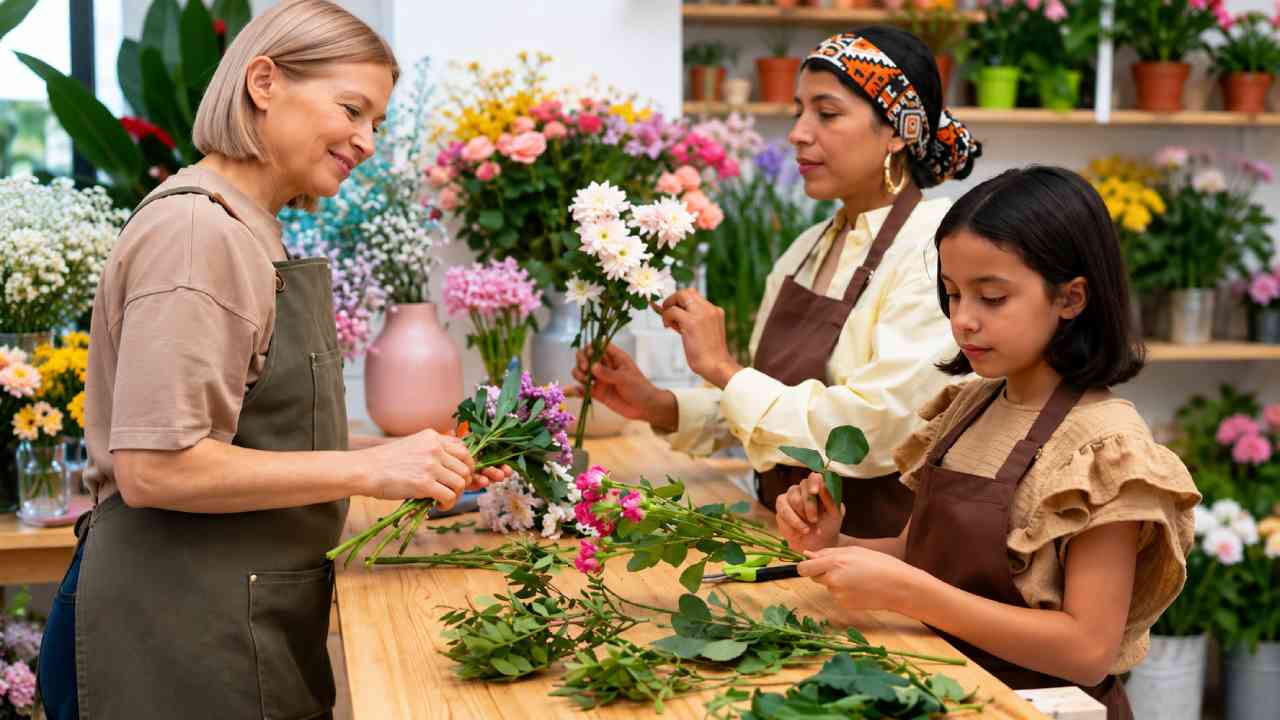
Affordable flowers often arrive as mixed bouquets with many colors and fillers. Instead of placing the entire bundle directly into a vase, separate everything first. Remove plastic packaging and spread the stems across a clean surface. Next, group similar colors and flower varieties together. You may discover that the bouquet contains several combinations that work better separately. For example, white flowers and green foliage may create one elegant arrangement. Meanwhile, brighter blooms can become a second casual display. Remove damaged petals and unnecessary filler as you work. Then, trim the stems according to the vase you selected. This editing process makes ordinary flowers feel more personal. Moreover, it gives you control over the final palette. The original bouquet may contain twenty stems, but the finished arrangement might need only twelve. Consequently, thoughtful selection can make affordable flowers look significantly more sophisticated.
Read Also: Anthropic Posts $80.7 Billion Loss Despite Explosive AI Growth
Freshness Is Essential for a Polished Appearance
Even an expertly designed arrangement will struggle to look luxurious if the flowers appear tired. Therefore, freshness should remain a priority from the moment you select the blooms. Look for firm stems, healthy leaves, and petals without excessive browning. Flowers that have not fully opened can be useful because they may continue developing at home. Once you return, use a clean vase and remove leaves that would sit below the waterline. Trim stems with clean, sharp tools rather than crushing them. In addition, check the water regularly and replace it when necessary. Remove fading blooms as soon as they begin affecting the overall display. Interestingly, an arrangement can evolve throughout its life. As certain flowers fade, you can reduce its size and redesign the remaining stems. This approach keeps the display attractive while reducing waste.
Style Flowers According to the Room Around Them
A beautiful arrangement should feel connected to its surroundings. Therefore, consider the room before deciding on size, color, and shape. A dining table usually benefits from a lower display because guests should be able to see one another. In contrast, an entry table can support taller and more dramatic stems. Bedrooms often suit softer colors and compact arrangements. Meanwhile, kitchens can handle casual seasonal flowers with a relaxed shape. Look at nearby objects as well. Books, candles, trays, and decorative bowls can complement flowers when used carefully. However, too many accessories can make the area feel cluttered. Give the arrangement enough space to become a focal point. You can also repeat an existing room color through the flowers. This creates a subtle connection between floral styling and interior design. Consequently, the arrangement feels like part of the room rather than an unrelated decoration.
Simple Styling Choices Create the Most Elegant Results
Creating elegant Flower Arrangements is ultimately an exercise in thoughtful editing. Expensive flowers can be beautiful, but they are not essential for a sophisticated result. Instead, focus on freshness, color harmony, proportion, and natural movement. Choose a vase that supports the flowers without stealing attention. Then, vary the stem heights and allow some negative space to remain visible. Most importantly, stop before the arrangement becomes overcrowded. A flower should have a reason for being included. This principle makes the design easier to understand and more pleasant to view. As your confidence grows, experiment with seasonal blooms, unusual branches, or different vase shapes. However, keep the basic principles of balance and simplicity in mind. With practice, even a modest bunch of flowers can become an elegant feature that makes an everyday room feel carefully styled.