Mayumiotero – Art Deco Design brings together bold geometry, refined decoration, and a strong sense of luxury. Although the style became famous during the early twentieth century, its visual language still feels relevant today. Designers now use Art Deco details to give modern rooms more personality without making them feel outdated. For example, a simple living room can gain character through a geometric mirror, brass lighting, or a curved velvet chair. These elements create visual interest while keeping the overall space balanced. Moreover, modern interpretations rarely copy historical interiors completely. Instead, they borrow recognizable details and combine them with cleaner furniture and practical layouts. This approach makes the style easier to use in contemporary homes. In my view, that balance explains much of its lasting appeal. Art Deco can feel glamorous without becoming overly formal. As a result, it offers an attractive middle ground between vintage character and modern simplicity.
Read Also: Apple M6 and M5 Ultra Bring a Major Leap for AI Computing
Bold Geometry Creates an Instantly Recognizable Look
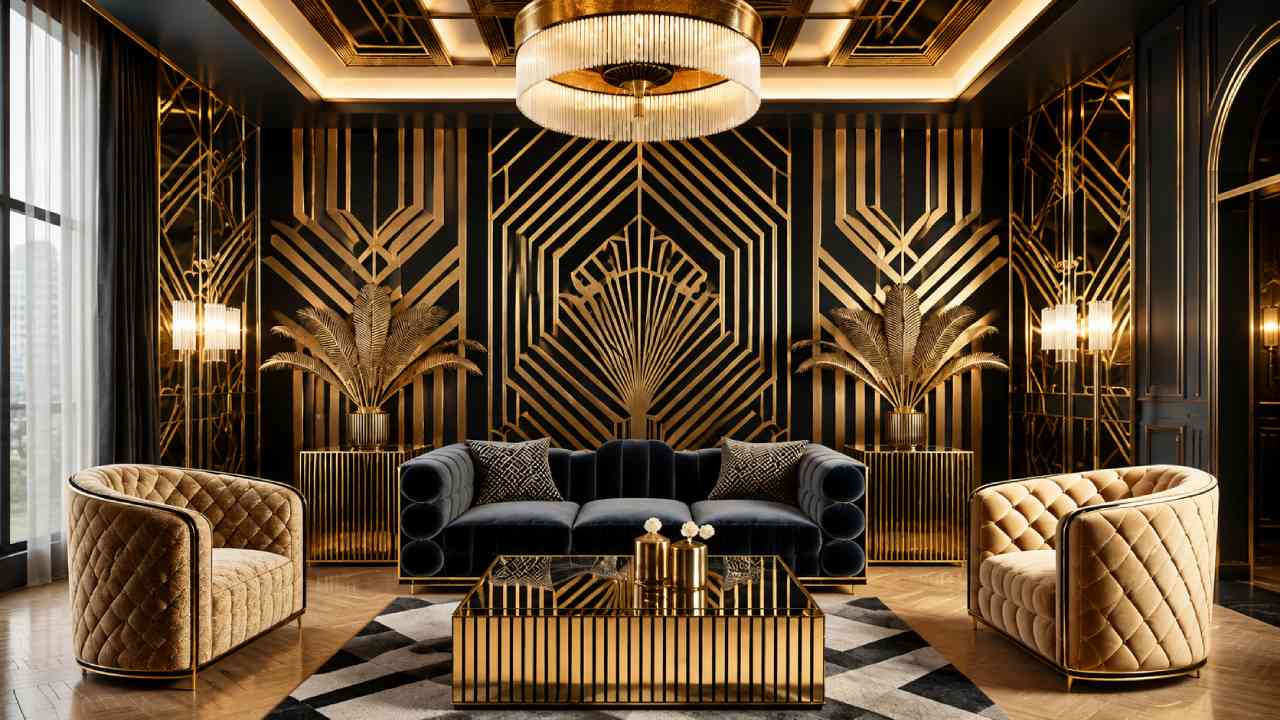
Geometry plays a central role in Art Deco interiors. Zigzags, sunbursts, stepped forms, arches, and repeated lines often appear across furniture and decorative details. Symmetry also helps create the polished appearance associated with this style. However, a modern room does not need geometric patterns on every surface. In fact, restraint usually creates a stronger result. A patterned rug can become the main feature while the surrounding furniture stays simple. Likewise, an angular console table can add enough Deco character to an otherwise minimal hallway. Designers can also introduce geometry through wall panels, lighting, tiles, or mirrors. Therefore, homeowners have many ways to experiment without redesigning an entire room. The key is choosing patterns that complement each other rather than compete for attention. When geometry has room to stand out, the interior feels intentional. Consequently, even a small decorative element can communicate the Art Deco aesthetic clearly.
Rich Materials Add Depth Without Overwhelming the Room
Materials help Art Deco Design create its signature sense of refinement. Brass, polished metal, glass, marble, lacquered wood, and velvet can all support the look. Historically inspired interiors may use several of these materials together. Modern spaces, however, often benefit from a more selective approach. A marble coffee table can provide a luxurious focal point. Meanwhile, brass handles or lighting fixtures add warmth through smaller details. Velvet can introduce softness and contrast against harder surfaces such as glass or stone. Furthermore, reflective finishes help distribute light around a room. This effect can make darker palettes feel more dynamic. Still, luxury does not depend on using expensive materials everywhere. The visual relationship between textures matters just as much. A carefully chosen mix can feel sophisticated even when the room remains relatively simple. Therefore, thoughtful material selection is often more effective than filling a space with decorative objects.
Dramatic Colors Give Art Deco Its Confident Personality
Color is another powerful part of the Art Deco identity. Deep green, navy, burgundy, black, cream, and warm metallic tones often work beautifully within this style. However, modern interpretations can also use softer palettes. For example, cream walls paired with black furniture and subtle brass details can create an elegant Deco mood. Emerald green velvet can then provide one stronger accent. Alternatively, navy and warm metal finishes can give a bedroom a calm but luxurious atmosphere. The important point is contrast. Art Deco often looks strongest when light and dark tones interact clearly. Nevertheless, too many dramatic colors can make a smaller room feel crowded. Therefore, choosing one dominant shade and several supporting tones usually works better. Neutral backgrounds also allow statement furniture to receive more attention. Ultimately, color should support the architecture and furniture rather than compete with them. A balanced palette keeps the style sophisticated instead of theatrical.
Curved Furniture Softens the Strong Geometric Details
Although Art Deco celebrates geometry, not every element needs sharp angles. Curved furniture provides an important visual counterbalance. Rounded sofas, barrel chairs, circular tables, and arched headboards can soften the room. As a result, the space feels inviting rather than rigid. This contrast works especially well in contemporary interiors. A curved sofa can sit beside a geometric side table. Similarly, an arched mirror can appear above a console with straight, structured lines. The two shapes create tension without feeling disconnected. Moreover, curved furniture often introduces a subtle sense of movement. It guides the eye around the room and prevents the layout from appearing too static. This technique is particularly useful in living rooms and bedrooms. These spaces should feel comfortable as well as stylish. Therefore, mixing curves with structured geometry can create a more livable interpretation of Art Deco.
Lighting Can Become the Jewelry of an Art Deco Interior
Lighting deserves special attention because it can transform the mood of a room. In an Art Deco setting, lamps and fixtures often function as decorative objects themselves. Globe pendants, geometric chandeliers, sculptural wall sconces, and brass table lamps can all work effectively. However, size and placement remain important. A dramatic chandelier may look impressive above a dining table, yet the same fixture could overwhelm a small bedroom. Therefore, lighting should respond to the proportions of the room. Layering also improves the result. Ceiling lights provide general illumination, while wall sconces and table lamps create softer areas of light. Together, these layers add depth after sunset. In addition, metallic finishes can reflect warm light across nearby surfaces. That subtle glow strengthens the luxurious atmosphere without requiring excessive decoration. For modern homes, lighting may be one of the easiest ways to introduce Art Deco character.
Modern Art Deco Works Best When Decoration Has Limits
One common mistake is assuming that every corner needs decoration. Art Deco Design can certainly be bold, but successful modern interiors often rely on restraint. Too many patterns, metallic finishes, and statement objects can quickly make a room feel busy. Instead, choose a few elements that deserve attention. For instance, a geometric feature wall may already provide enough drama. The furniture around it can remain relatively quiet. Likewise, a sculptural chandelier can become the main decorative focus above a simple dining table. This selective approach gives each feature more visual impact. Furthermore, negative space allows the eye to rest. That makes the room feel more sophisticated and comfortable. Modern lifestyles also demand practical storage and easy movement. Therefore, decoration should never interfere with function. When glamour and usability receive equal attention, Art Deco becomes much easier to live with every day.
Read Also: Visible Mending Turns Clothing Repairs Into Creative Fashion Statements
Art Deco Can Work Beyond Luxury Living Rooms
Art Deco is often associated with glamorous lounges and hotel interiors. However, its design language can work across many spaces. Bedrooms can use upholstered headboards, brass lamps, and geometric bedside tables. Bathrooms can introduce patterned tiles, rounded mirrors, and dark cabinetry. Meanwhile, kitchens can feature fluted glass, metallic handles, and carefully chosen pendant lights. Even a compact home office can benefit from one strong Deco element. A curved desk chair or geometric lamp may be enough to establish the mood. Commercial spaces also use the style effectively. Restaurants, cafés, bars, and boutique hotels often adopt Deco details because they create a memorable atmosphere. Moreover, the aesthetic photographs well, which matters in visually driven hospitality spaces. The versatility shows that Art Deco is not limited to large or expensive interiors. Instead, its core principles can adapt to different scales and budgets.
Vintage Glamour Feels Fresh When Paired With Modern Simplicity
The strongest contemporary Art Deco spaces rarely feel like historical replicas. Instead, they create a conversation between old and new. A vintage-inspired mirror may hang above a clean modern console. A velvet armchair can sit beside a minimal marble table. Likewise, decorative brass lighting may contrast with plain walls and simple flooring. These combinations allow individual pieces to stand out. More importantly, they prevent the interior from becoming visually heavy. Modern simplicity provides breathing room, while Deco details supply personality. This relationship is why the style can still feel fresh decades after its original rise. Homeowners do not need to choose between vintage glamour and contemporary comfort. They can use both. In my experience, the most convincing spaces focus on atmosphere rather than strict historical accuracy. They capture the confidence of Art Deco while responding to how people live today.
Art Deco Design Remains Relevant Because It Can Evolve
The lasting appeal of Art Deco Design comes from its ability to change without losing its identity. Geometry, symmetry, luxurious textures, and confident details remain recognizable. Yet designers can reinterpret those elements for modern spaces. A room can use only a hint of brass and one curved sofa. Another interior may embrace marble, velvet, dramatic lighting, and bold patterns. Both can still communicate the same design language. This flexibility makes Art Deco particularly useful for homeowners who want elegance with personality. Moreover, the style works well beside contemporary furniture and modern technology. It does not require people to recreate another era. Instead, it provides a visual vocabulary that can be edited to suit current tastes. Ultimately, the most successful modern Art Deco interiors feel collected rather than copied. They respect vintage glamour while making enough room for simplicity, comfort, and everyday life.