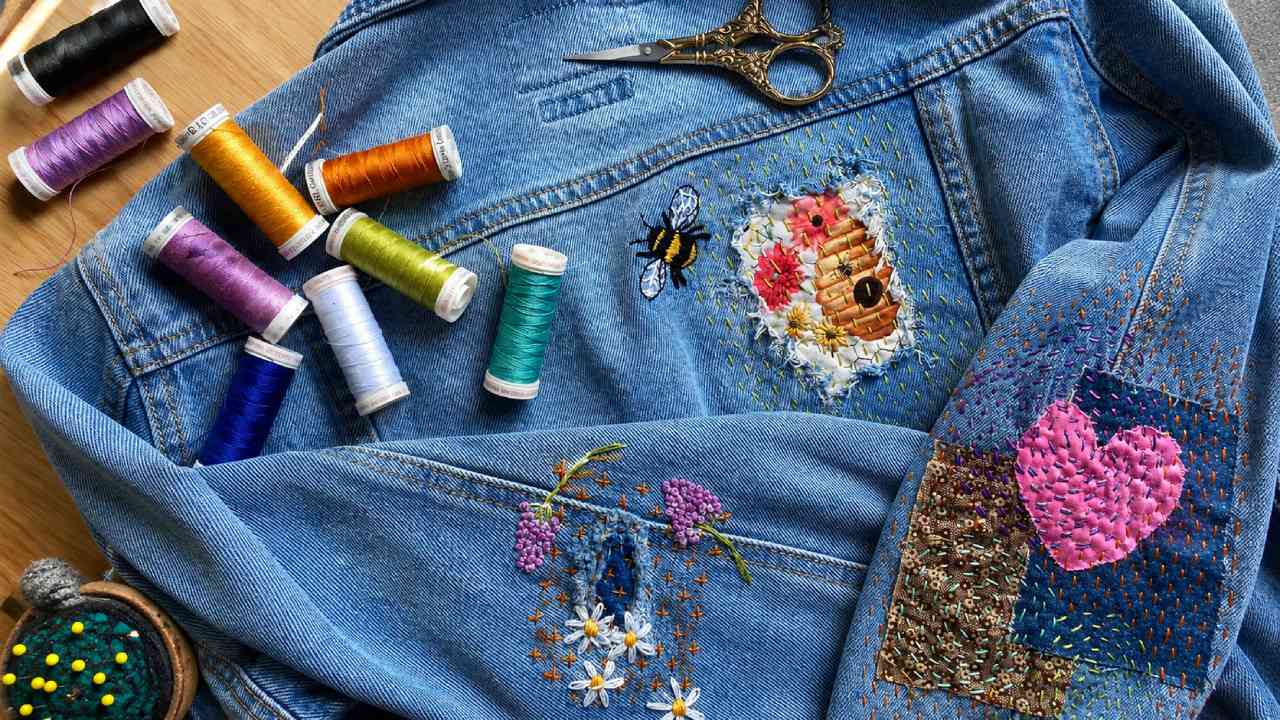
Mayumiotero – Visible Mending transforms worn or damaged clothing into something personal and creative. Instead of hiding a repair, this approach makes stitches, patches, and embroidery part of the design. A hole in denim can become a colorful geometric detail. Meanwhile, a stain on a shirt may inspire a small embroidered flower. This idea changes the way people see imperfections in clothing. Rather than treating damage as the end of a garment, wearers can view it as an opportunity for creativity. Moreover, each repair can tell a small story about the person who owns the piece. The result often feels more individual than buying another new garment. For that reason, Visible Mending fits naturally into a creative lifestyle. It combines practical repair skills with fashion, craft, and personal expression.
Read Also: Apple M6 and M5 Ultra Bring a Major Leap for AI Computing
The Idea Challenges Traditional Clothing Repair
Traditional clothing repair often tries to remain invisible. People may choose matching thread, hidden stitches, or carefully placed fabric to conceal damage. Visible Mending takes the opposite approach. The repair becomes noticeable on purpose. For example, blue jeans may feature bright yellow stitches around a worn knee. A gray sweater could gain a red patch over a small hole. Similarly, a plain jacket might receive embroidered leaves around a repaired tear. Therefore, the technique gives people more freedom to experiment. There is no requirement for every stitch to disappear into the original fabric. In fact, contrast often makes the result more interesting. This shift also changes the emotional experience of repairing clothing. The task becomes less about restoring perfection and more about creating a new chapter for the garment.
Sashiko Offers Inspiration for Decorative Stitching
Japanese sashiko often appears as an inspiration in modern mending projects. This traditional stitching practice uses repeated running stitches to reinforce fabric while creating distinctive patterns. Historically, practical needs played an important role in its development. Today, makers also appreciate sashiko for its visual character. Straight lines, crosses, waves, and geometric patterns can turn a simple repair into an eye-catching feature. However, Visible Mending and sashiko are not identical terms. Sashiko represents a specific Japanese textile tradition with its own history and techniques. Visible Mending covers a wider range of repair styles. Still, learning about sashiko can help modern makers understand how practical stitching can become beautiful. It also encourages greater respect for the cultural traditions that influence contemporary craft.
Colorful Patches Give Old Clothes New Character
Patches offer one of the easiest ways to experiment with Visible Mending. Instead of choosing fabric that perfectly matches the garment, makers can select contrasting colors or prints. Imagine a dark denim jacket with a floral cotton patch. Likewise, beige trousers could feature indigo fabric with white stitching. These combinations create a deliberate visual statement. However, a patch still needs to perform its practical job. The fabric should cover the damaged area and provide enough support around weak edges. Therefore, design and function need to work together. Personally, I think this balance makes patching especially satisfying. The repair solves a real problem while adding something new. Over time, several patches can even create a visual record of how often someone has worn and repaired a favorite garment.
Embroidery Can Turn Small Flaws Into Tiny Artworks
Embroidery provides another creative direction. Small holes, marks, or stains can inspire flowers, stars, leaves, abstract shapes, or playful patterns. For instance, a tiny hole may become the center of an embroidered daisy. Several worn spots could develop into a trail of colorful leaves. As a result, flaws no longer need to dictate whether someone keeps a garment. Instead, they can guide the design. Beginners do not need advanced embroidery skills to experiment. Simple running stitches, crosses, and basic outlines can already create strong visual effects. Furthermore, handmade irregularities often add charm rather than reducing it. The key is to secure the damaged fabric before focusing on decoration. A beautiful pattern has little value if the original tear continues to grow underneath it.
Beginners Can Start With Simple Tools
Starting Visible Mending does not require an expensive collection of craft supplies. A needle, suitable thread, scissors, and a small piece of fabric can handle many basic repairs. An embroidery hoop may also help keep thin material stable. However, the condition of the garment should guide the technique. Denim can usually support stronger stitches and heavier thread. Delicate fabrics need gentler handling. Before sewing, examine the area around the damage. If the surrounding fabric still feels strong, a simple patch may work well. Next, secure loose edges so the tear cannot expand easily. Then, add decorative stitches gradually. Starting with an old pair of jeans or a casual shirt can make the process less intimidating. With practice, stitches usually become more controlled and consistent.
Visible Mending Supports a More Thoughtful Wardrobe
Visible Mending also connects naturally with conversations about clothing longevity. A small hole does not always mean a garment has reached the end of its useful life. Repairing suitable damage can extend how long someone wears a favorite item. As a result, people may become less likely to replace clothing simply because it shows minor wear. This approach fits well with ideas around slow fashion and more deliberate consumption. However, repair should not become another form of pressure. Not every garment needs saving forever. Some fabrics become too weak, while certain damage may require professional attention. The important change is having another option before throwing something away. In that sense, mending encourages people to examine what they already own and consider whether creativity can give it more useful time.
Imperfection Becomes Part of Personal Style
Modern fashion often celebrates polished surfaces and flawless finishes. Visible Mending offers a refreshing contrast. Uneven stitches, contrasting thread, and obvious patches reveal the human hand behind a repair. Consequently, two identical jackets can develop completely different personalities after several years. One owner might choose subtle indigo patches. Another may prefer bright embroidery across every repaired section. Neither approach needs to follow a strict trend. Instead, each garment evolves alongside its wearer. This freedom makes mending especially relevant to personal style. Fashion becomes less about copying a complete look and more about creating details that cannot easily be duplicated. In my view, that individuality gives repaired clothing emotional value. The garment becomes memorable because its appearance develops through use, care, and creativity.
Read Also: Synthetic Depth of Field Is Changing How Cameras Control Focus
Good Repairs Still Need to Protect the Fabric
Creative design should never replace practical repair. Before adding decorative stitches, makers need to understand why the fabric has failed. A small tear caused by an accident may only require reinforcement. However, widespread thinning can indicate that a much larger section has weakened. In that case, stitching directly around the hole may create additional stress. A supporting patch can distribute tension across a wider area. Thread choice also matters because extremely heavy thread may pull against delicate material. Furthermore, garments with technical or protective functions require extra caution. Decorative home repair may not restore their original performance. Therefore, the smartest approach combines creativity with basic textile awareness. A successful mend should look interesting while helping the garment remain wearable.
Each Repair Can Tell a Personal Story
A repaired garment can gradually become a record of everyday life. Perhaps a favorite pair of jeans developed a tear during a trip. Later, another worn area appeared after years of regular use. Instead of replacing the jeans, the owner added a different patch each time. Eventually, those repairs created a design that never existed when the garment was new. This storytelling quality separates Visible Mending from purely decorative customization. Every stitch responds to something that happened to the clothing. Therefore, the final appearance develops naturally over time. Some repairs may remain subtle, while others become bold focal points. Together, they create a garment that feels increasingly personal. That sense of history can encourage people to appreciate clothes for more than their original appearance.
Visible Mending Brings Creativity Into Everyday Life
Ultimately, Visible Mending shows how an ordinary household task can become a creative practice. Repairing a torn shirt may take only basic materials, yet the process encourages decisions about color, texture, pattern, and composition. Moreover, it invites people to work slowly with their hands and pay closer attention to objects they already own. The finished garment does not need to look factory-new. Instead, its repairs can proudly reveal care and individuality. This mindset makes Visible Mending particularly suitable for a creative lifestyle. It sits between fashion, craft, practical skill, and thoughtful consumption. Most importantly, the concept reminds us that signs of wear do not automatically remove beauty. Sometimes, a carefully placed patch or line of colorful stitches can give an old garment its most distinctive feature.