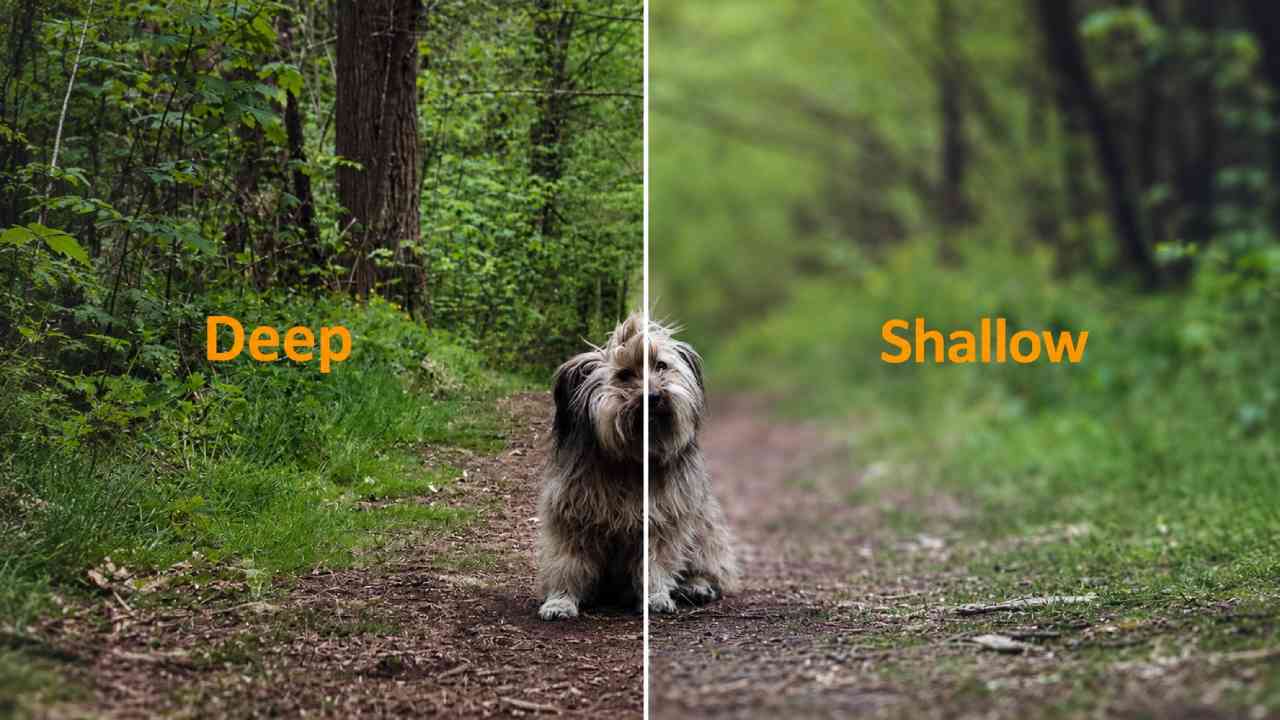
Mayumiotero – Synthetic Depth is changing how cameras create the visual separation between a sharp subject and a blurred background. Traditionally, photographers relied on lenses, aperture settings, sensor size, focal length, and distance. Those physical factors still matter. However, computational photography has introduced another layer of control. Modern imaging systems can estimate how far different objects sit from the camera. Then, software can use that information to determine which areas should remain sharp. Other regions can receive different levels of blur. As a result, depth of field no longer depends entirely on optical characteristics. This approach is especially useful for compact devices, where physical space limits the size of lenses and sensors. Yet the technology is about more than creating dramatic portraits. It represents a wider shift in photography. Cameras are increasingly becoming systems that capture data, interpret scenes, and construct the final image through computation.
Read Also: Apple M6 and M5 Ultra Bring a Major Leap for AI Computing
Traditional Depth of Field Starts Inside the Lens
To understand the new technology, it helps to consider traditional photography first. Optical depth of field describes the range of distances that appear acceptably sharp within an image. Several factors influence that range. A wider aperture can produce a shallower depth of field. Meanwhile, a narrower aperture usually keeps more of the scene sharp. Focal length and subject distance also affect the result. Sensor size can influence the combinations photographers use to achieve a particular look. Therefore, professional photographers often select specific lenses for portraits, landscapes, or close-up work. A portrait lens with a wide aperture, for example, can isolate a person against a smooth background. This effect comes from optics rather than software. Synthetic techniques approach the same visual goal differently. Instead of relying only on the lens, the camera can analyze spatial information. Consequently, software becomes an active participant in deciding how focus appears in the finished photograph.
Depth Maps Give Software a Sense of Space
A depth map is one of the most important concepts behind Synthetic Depth processing. A normal photograph records color and brightness across millions of pixels. In contrast, a depth map attempts to describe the estimated distance of those pixels or regions from the camera. Imagine photographing a person standing near a tree with buildings in the distance. The subject occupies one depth range. The tree belongs to another, while the buildings sit much farther away. Once software understands these relationships, it can apply blur gradually instead of treating the background as one flat layer. Nearby objects may receive only slight blur. Farther elements can become progressively softer. Therefore, the final effect has the potential to resemble natural optical depth more closely. Accurate depth information can come from several sources, including multiple cameras and dedicated depth sensors. Increasingly, machine-learning models can also infer useful depth information from ordinary images.
AI Can Estimate Depth from a Single Image
Artificial intelligence has made depth estimation far more flexible. In particular, monocular depth estimation attempts to infer spatial relationships from a single camera view. The task is challenging because one photograph does not directly provide every measurement of a three-dimensional scene. Nevertheless, modern models can interpret many visual clues. Perspective, object scale, texture, overlap, and familiar shapes can all provide information about relative distance. For example, an object partially covering another object is usually closer to the camera. Likewise, repeating textures often become smaller with distance. AI models can learn these patterns from large collections of training data. As a result, a camera or editing system may generate a useful depth estimate without dedicated depth hardware. Still, estimation is not the same as perfect measurement. Transparent objects, reflections, fine hair, and unusual scenes remain difficult. Therefore, better AI does not eliminate the need for careful image processing. Instead, it expands what computational photography can achieve.
Computational Bokeh Goes Beyond Simple Background Blur
One common misunderstanding is that synthetic depth of field simply adds blur behind a subject. In reality, convincing computational bokeh requires much more detail. A basic editing tool might isolate a person and blur everything behind them equally. However, real lenses do not behave that way. Objects become progressively more defocused as their distance from the focus plane changes. Bright points can also form distinctive bokeh shapes. Furthermore, foreground objects may blur differently from distant backgrounds. A sophisticated Synthetic Depth system attempts to reproduce these relationships. It may calculate blur strength according to estimated distance. It also needs accurate boundaries around the subject. Otherwise, hair, glasses, clothing, or nearby objects can develop unnatural edges. This is where depth estimation and semantic segmentation often work together. In my view, believable transitions matter more than extreme blur. A subtle effect that respects the geometry of the scene usually looks more convincing than aggressive background separation.
Smartphones Made Computational Focus Familiar
Smartphones helped introduce computational depth effects to millions of everyday photographers. Their thin bodies leave limited space for the large optical systems found on dedicated cameras. Nevertheless, multiple lenses, depth estimation, image processing, and machine learning can compensate for some physical limitations. Portrait modes are an obvious example. The camera identifies a subject and estimates the surrounding depth. Software then creates background separation that resembles a shallow depth of field. Over time, these systems have become better at handling complex outlines and varying distances. However, they are not perfect substitutes for large-aperture optics. A real lens creates defocus as light travels through the optical system. Computational bokeh reconstructs or simulates part of that appearance after capture. The distinction is important. Yet both approaches can produce attractive results. Rather than asking which method is universally better, it is more useful to understand what each method offers. Computational photography prioritizes flexibility, portability, and software-driven control.
Refocusing After Capture Changes the Creative Process
One of the most fascinating possibilities is changing focus after an image has already been captured. Traditional photography requires photographers to choose the focus point during the shot. If the wrong subject is sharply focused, correcting the mistake afterward can be difficult. However, an image accompanied by sufficient depth or light-field information creates new possibilities. Editing software can potentially select a different focal region and calculate how other depth layers should appear. Imagine a photograph containing flowers in the foreground and a person farther behind. One version could emphasize the flowers. Another could keep the person sharp while softening the foreground. This flexibility changes photography from a purely capture-based process into a combination of capture and computational reconstruction. Of course, the available data determines how convincing the result can become. Software cannot always recover detail that was never recorded. Even so, computational refocusing demonstrates how digital imaging is moving beyond the traditional idea of a fixed photograph.
Hair and Transparent Objects Remain Difficult Challenges
Despite impressive progress, Synthetic Depth still faces difficult visual problems. Fine hair is a classic example. Individual strands may occupy only a few pixels and partially reveal the background underneath. If the algorithm misreads the boundary, sections of hair can disappear into artificial blur. Transparent materials create another challenge. A drinking glass may reveal a background through its surface while also reflecting nearby light. Mirrors, polished metal, smoke, fur, fences, leaves, and motion blur can create similar ambiguity. These cases demonstrate why scene understanding matters. The system needs more than a rough outline of the main subject. Ideally, it should understand depth relationships at a much finer level. Furthermore, realistic optical blur has complex characteristics that vary with lens design and aperture shape. Therefore, reproducing true lens behavior requires more than applying a standard Gaussian blur. Continued improvements in depth estimation and neural rendering could make these difficult transitions increasingly natural.
Baca Juga: Eco-Friendly Tableware, Sustainable Design for Modern Dining
Video Makes Synthetic Focus Even More Challenging
Applying synthetic depth to a single photograph is difficult enough. Video introduces another major problem: consistency over time. A depth map may look convincing in one frame but change slightly in the next. Those small errors can create flickering edges or unstable background blur. Therefore, video systems need temporal consistency as well as accurate depth estimation. They must follow people, objects, and camera movement across consecutive frames. At the same time, focus transitions should appear smooth rather than suddenly jumping between depth layers. This capability has clear creative potential. A filmmaker could track a moving subject while maintaining controlled background separation. Editors might also adjust focus behavior during post-production when suitable depth information is available. Similar techniques could support virtual production and mixed-reality content. However, processing requirements increase quickly with higher resolutions and frame rates. For that reason, efficient algorithms and specialized hardware remain important parts of the technology’s development.
Synthetic Focus Could Expand Beyond Photography
The principles behind Synthetic Depth have applications far beyond smartphone portraits. Augmented reality systems need to understand where digital objects belong within physical environments. Virtual production can use depth information to combine real performers with computer-generated scenes. Video conferencing could create more realistic background separation without relying on simple cutout effects. Meanwhile, robotics and machine vision also depend on spatial understanding, although their goals differ from photographic bokeh. Even photo editing could become more flexible. Instead of manually masking every object, creators could edit images according to distance. A designer might adjust lighting in the foreground while treating the background separately. Depth-aware tools could also improve compositing because virtual elements need believable relationships with real objects. Consequently, synthetic depth should not be viewed as one isolated camera feature. It belongs to a broader movement toward images that contain information about scene structure. That additional information can make visual media more editable, interactive, and spatially aware.
The Future Camera Will Combine Optics and Computation
The rise of Synthetic Depth does not mean traditional lenses are becoming irrelevant. Instead, the future of imaging will likely combine better optics with increasingly sophisticated computation. Optical systems remain responsible for capturing light and preserving genuine visual detail. Meanwhile, software can interpret that information, estimate depth, reduce noise, combine exposures, and modify focus behavior. This partnership is already changing expectations around small cameras. Users increasingly expect a device to understand the scene rather than simply record it. In the coming years, improved depth models and faster processors could make computational focus more consistent across photos and video. However, realism should remain the goal rather than excessive processing. The most successful technology may be the kind viewers barely notice. When synthetic blur follows natural depth relationships, preserves fine details, and respects the original lighting, the software disappears behind the photograph. That is where computational imaging becomes most powerful: technology supports the visual story without distracting from it.