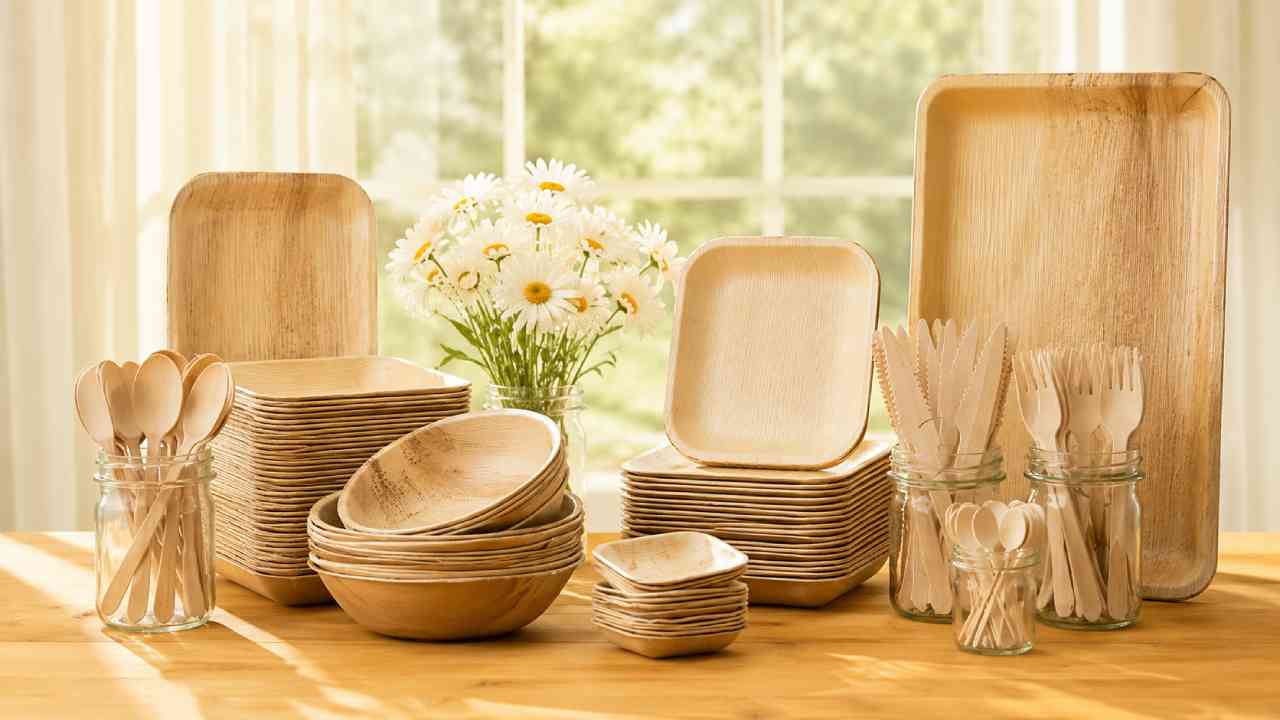
Mayumiotero – Eco-Friendly Tableware is changing how people think about everyday dining products. It includes plates, bowls, cups, straws, and cutlery made with environmental impact in mind. Some items are reusable, while others can be recycled or composted under specific conditions. Popular materials include glass, stainless steel, ceramic, bamboo, certified wood, and sugarcane fiber. However, a natural appearance does not automatically make a product sustainable. Its impact also depends on sourcing, production, transport, durability, and disposal. Therefore, consumers need to look beyond green labels and attractive packaging. Good tableware should remain safe, useful, and durable for a long time. In many cases, continuing to use an existing dining set is more responsible than buying a new “green” alternative.
Read Also: Google Launches Motion Assist to Ease Travel Sickness on Android
Sustainable Design Considers the Entire Product Life Cycle
Every dining product creates an environmental impact before it reaches the table. Manufacturers must obtain raw materials, use energy, and transport finished goods. Reusable items also need water and energy for regular cleaning. Finally, every product requires a suitable disposal route. For this reason, sustainable design considers the full product life cycle. A lightweight plate may require less fuel during shipping. However, it may create more waste if it breaks quickly. In contrast, a heavier ceramic plate can remain useful for many years. Durability often matters more than a single environmental claim. In my view, designers should focus on products that people genuinely want to keep. Long-term usefulness reduces frequent replacement and supports more thoughtful consumption.
Reusable Materials Offer Different Benefits
No material is perfect for every dining situation. Stainless steel is strong, reusable, and widely recyclable where suitable facilities exist. It also resists breaking, which makes it useful for travel or outdoor dining. However, metal production requires significant energy. Glass provides a clean surface and does not easily retain odors. Yet it is heavy and can break during use or transport. Ceramic remains popular because it feels comfortable and works for many foods. Still, chipped or cracked ceramic may need replacement. Bamboo and wood provide a warm, natural appearance. Nevertheless, coatings, glues, and composite resins can affect their environmental value. Therefore, buyers should examine the complete product information. The best material depends on where and how often the tableware will be used.
Agricultural Waste Can Become Useful Tableware
Modern product designers increasingly use agricultural by-products to create disposable tableware. Bagasse, for example, comes from the fibrous material left after sugarcane processing. Manufacturers can mold it into plates, bowls, and takeaway containers. Palm leaf sheaths can also become sturdy dining products with a distinctive natural texture. In addition, some companies experiment with wheat straw, rice husks, and other plant fibers. These materials may reduce dependence on conventional plastic. They can also create value from waste that might otherwise be discarded. However, plant-based materials still require energy, water, and processing. Some products also include synthetic binders or protective coatings. As a result, consumers should not assume that every fiber-based product will break down naturally.
Compostable Does Not Always Mean Home Compostable
The terms biodegradable and compostable are often treated as identical. In reality, they describe different processes. Biodegradable materials can break down through biological activity. However, the label may not state how long the process takes. Compostable products must break down under defined conditions without leaving harmful residue. Many certified compostable items require industrial facilities with controlled heat and moisture. Therefore, they may not decompose properly in a home compost bin. They can also remain intact for years in a landfill. Collection systems are equally important. If local services do not accept compostable packaging, the product may enter general waste. Clear disposal instructions are more valuable than vague environmental promises. Before buying, consumers should check both the certification and local waste facilities.
Smart Shapes Improve Function and Reduce Waste
Sustainability is not limited to material selection. Shape and function also influence a product’s useful life. Stackable bowls reduce storage space in homes and restaurants. They may also lower shipping volume. Rounded internal corners make containers easier to clean. Meanwhile, stable bases help prevent spills and accidental breakage. Comfortable handles can support children, older adults, and people with limited grip strength. Modular lids may fit several container sizes, which reduces the need for extra components. Neutral colors and simple shapes also survive changing trends more easily. As a result, owners may keep them for longer. Good design should feel natural during daily use. When a product is practical and comfortable, people are less likely to replace it unnecessarily.
Food Safety Must Remain a Central Priority
Environmental goals should never compromise food safety. Tableware needs to tolerate the temperature and acidity of the food it holds. Some decorative products are not suitable for direct food contact. In addition, certain composites may have strict limits for hot meals or microwave use. Wooden and bamboo items need complete drying to prevent warping and unwanted microbial growth. Deep scratches can also make some surfaces difficult to clean. Therefore, users should follow the manufacturer’s instructions carefully. Reliable products should provide clear details about food-contact approval, temperature limits, and cleaning methods. Buyers should also check whether coatings or adhesives are present. Sustainable design protects natural resources, but it must also protect the person using the product.
Restaurants Need More Than Material Replacement
Restaurants often replace plastic cutlery with paper, wood, or compostable alternatives. However, changing the material alone may not solve the waste problem. Reusable systems require collection, washing, storage, and inventory management. Likewise, compostable products need separate bins and access to suitable processing facilities. Staff training is also essential because mixed waste can contaminate recycling streams. Restaurants should begin by examining which items create the most waste. Afterward, they can select solutions that match their operations. A deposit system may work for reusable takeaway containers. Meanwhile, shared lid sizes can reduce inventory and simplify storage. These changes connect product design with real business systems. Without that connection, sustainable packaging may become another disposable product with an attractive label.
Eco-Friendly Claims Require Careful Evaluation
Greenwashing can make ordinary products appear more sustainable than they are. Brands may use leaves, earthy colors, and words such as “natural” or “planet-friendly.” Yet these details provide little evidence. A bamboo product may contain plastic resin. Similarly, a plant-based cup may require an industrial composting facility that is unavailable locally. Consumers should look for specific material information and recognized certifications. Companies should also explain sourcing, manufacturing, and disposal clearly. Honest claims usually include limitations. For example, a brand may state that its product is compostable only in commercial facilities. That explanation is more trustworthy than promising that an item will simply “return to nature.” Transparency helps buyers make informed decisions and strengthens the credibility of sustainable design.
Read Also: Air-Dry Clay Trinket Dishes Are the DIY Your Vanity Needs
Proper Care Extends the Life of Reusable Tableware
Maintenance plays a major role in reducing waste. Reusable products should be washed according to their material and finish. Soft cleaning tools protect coated, glazed, or polished surfaces. Meanwhile, harsh abrasives can create scratches that shorten a product’s life. Wood and bamboo need immediate drying after washing. Stainless steel should also remain dry during storage to maintain its appearance. Plates and bowls need stable stacking to prevent chips. In addition, users should inspect tableware regularly. A light stain does not always make an item unsafe. However, deep cracks, peeling coatings, and sharp edges may affect safety. Good care can keep a dining set useful for years. Therefore, sustainable consumption continues long after the original purchase.
The Most Sustainable Choice May Already Be at Home
Buying new environmentally marketed products can feel like positive action. However, replacement still requires new materials, energy, and transportation. If existing plates and cutlery remain safe and functional, using them longer is often the better choice. New purchases become reasonable when an item breaks or no longer meets a genuine need. At that point, durability should guide the decision. Consumers can choose timeless designs, practical shapes, and materials suited to their routine. They should also avoid purchasing large sets with unnecessary pieces. Thoughtful consumption is less visible than a fashionable dining set, but its impact can be more meaningful. Sustainability often begins with using fewer products and caring for them well.
Modern Dining Benefits from Better Design Decisions
Eco-Friendly Tableware can support more responsible dining when design matches real behavior. Reusable materials work best when people use them repeatedly and maintain them properly. Compostable items offer value only when suitable collection systems exist. Meanwhile, restaurants need operational plans that support their chosen products. Designers also have an important role. They can create tableware that is durable, stackable, repairable, and easy to clean. Ultimately, no single material can solve every environmental problem. Better results come from combining thoughtful design with careful consumption. A successful dining product should look appealing, perform reliably, and remain useful for a long time.