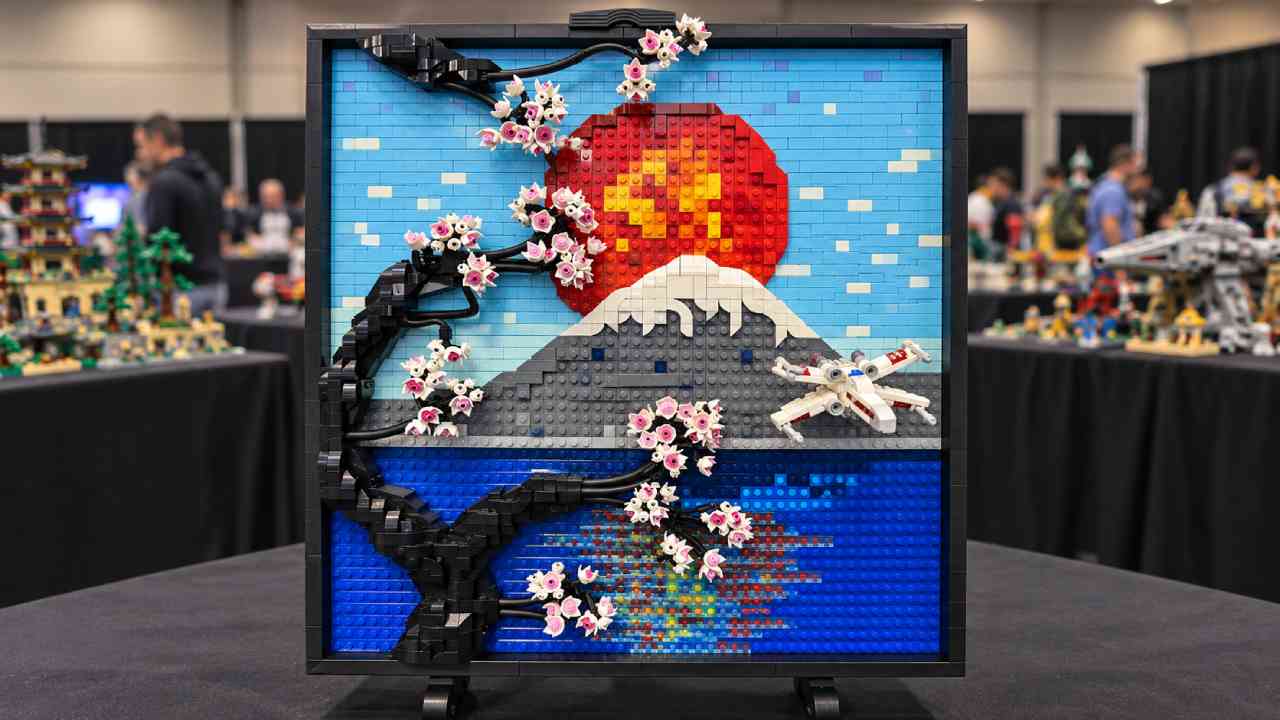
Mayumiotero – LEGO Art proves that simple plastic bricks can become much more than childhood toys. With thoughtful colors, patterns, and shapes, these familiar pieces can create striking decorations for modern spaces. Moreover, the building process adds a personal story that mass-produced wall decor rarely offers. A small mosaic can brighten a desk, while a larger creation can become the main feature of a living room. The appeal also comes from flexibility. Builders can experiment, remove pieces, change colors, and redesign sections without starting from scratch. Therefore, the finished work does not need to follow a strict artistic formula. It can reflect personal interests, favorite colors, or even memories. In my view, this freedom makes brick-based art especially suitable for creative lifestyles. It encourages people to participate in decorating rather than simply purchasing finished objects. As a result, an ordinary collection of bricks can gradually become something personal, playful, and visually memorable.
Read Also: Potentiometer vs Hall Effect vs TMR: Which Analog Stick Is Better?
Start With Simple LEGO Mosaic Designs
A mosaic is one of the easiest ways to explore LEGO Art because the basic idea is simple. Builders arrange small pieces across a flat base to form an image, symbol, or repeating pattern. For example, beginners can start with hearts, flowers, initials, geometric shapes, or simple landscapes. Meanwhile, more experienced builders can create portraits and detailed city scenes. Planning the design before building often produces cleaner results. A basic digital sketch or grid can help determine where each color belongs. However, perfect planning is not essential. Small changes during construction often give the finished piece more character. In addition, limited color palettes can make a design feel surprisingly sophisticated. Using three or four coordinated shades may work better than filling every section with different colors. Once the mosaic is complete, it can be framed or displayed on a shelf. This simple approach creates a natural bridge between casual building and decorative art.
Turn LEGO Creations Into Colorful Wall Art
After experimenting with mosaics, wall decoration offers another creative direction. LEGO Art can introduce texture and dimension to walls that otherwise feel empty or predictable. Instead of choosing a conventional poster, homeowners can display a brick-built landscape, abstract composition, or personalized symbol. Furthermore, wall pieces can match the existing character of a room. Neutral bricks may complement minimalist interiors, while bold primary colors can energize playful spaces. Size also matters. One large artwork can act as a focal point, whereas several smaller pieces can form a gallery-style arrangement. Before mounting anything, however, builders should consider weight and support. Larger constructions need secure backing and suitable mounting hardware. This practical step helps protect both the artwork and the wall. From a design perspective, leaving some empty space around the piece also makes it easier to appreciate. Consequently, even a relatively simple brick composition can look intentional rather than crowded.
Create Personalized Portraits With LEGO Bricks
Personalized portraits can take LEGO Art in a more meaningful direction. A family photograph, beloved pet, fictional character, or memorable travel image can inspire a custom brick portrait. Instead of reproducing every detail, builders can simplify the source image into blocks of color. This approach creates a distinctive pixel-inspired appearance. First, choose an image with clear shapes and strong contrast. Then, reduce the number of colors so the design remains manageable. A portrait does not need dozens of shades to feel recognizable. In fact, fewer colors often create a stronger graphic style. Additionally, builders can adjust the background to match the room where the artwork will be displayed. Soft neutral tones may create an understated result, while contrasting colors produce a more dramatic effect. The finished portrait carries emotional value because someone invested time in building it piece by piece. Therefore, it can work particularly well as personal decor or a thoughtful handmade gift.
Explore Abstract LEGO Art for a Modern Look
Not every creative project needs to represent a recognizable object. Abstract LEGO Art gives builders freedom to focus on color, rhythm, texture, and movement instead. For instance, curved patterns can create a sense of flow, while repeated geometric forms can produce a structured visual effect. This style works particularly well in contemporary interiors because it does not depend on a specific theme. Moreover, abstract designs encourage experimentation. Builders can combine smooth tiles with traditional studs to create different surfaces. They can also use raised sections to introduce depth and shadows. Rather than following detailed instructions, the process becomes more intuitive. Start with one dominant color and gradually introduce complementary shades. Then, step away from the piece occasionally to see whether the overall composition feels balanced. Interestingly, imperfections can become part of the design. A slightly unexpected shape may make the artwork more memorable. This freedom turns building into a genuine creative exercise rather than a simple assembly task.
Bring Nature Indoors With Botanical Brick Designs
Nature-inspired designs offer a softer alternative to geometric or pixel-based creations. Flowers, leaves, branches, butterflies, and small garden scenes can all become subjects for LEGO Art. These designs are especially useful for rooms that need visual warmth without requiring real plant maintenance. Moreover, botanical creations can combine decorative beauty with playful construction. A builder might create a flat floral mosaic for a wall or develop three-dimensional flowers for a shelf. Seasonal themes provide even more possibilities. Soft blossoms can suit spring-inspired decor, while warm leaves can create an autumn atmosphere. At the same time, botanical pieces do not have to imitate nature perfectly. Unusual colors can make them feel imaginative and artistic. Blue leaves or orange flowers, for example, may produce an unexpectedly attractive composition. Consequently, nature becomes inspiration rather than a strict template. This balance between familiar shapes and creative interpretation helps botanical brick designs fit naturally into a modern creative home.
Read Also: Apple iPhone Duo Changes the Foldable Game With Two Screens
Design LEGO Decor for Desks and Creative Workspaces
Creative workspaces benefit from objects that provide personality without creating unnecessary clutter. Small LEGO Art projects can meet that need particularly well. Miniature typography, colorful patterns, tiny sculptures, or custom nameplates can decorate a desk while using relatively little space. In addition, these projects are easy to change when the workspace needs a fresh look. A builder can replace colors, rebuild a symbol, or create a new seasonal design without buying entirely new decorations. This flexibility also supports a more sustainable approach to creative hobbies because the same pieces can serve different purposes over time. However, balance remains important. Too many small objects can make a workspace visually distracting. Therefore, one or two carefully selected creations often have greater impact than a crowded collection. Placing them near books, plants, or neutral office accessories can also create contrast. Ultimately, desk-sized brick artwork offers an accessible way to combine creativity, organization, and personal expression.
Use Old LEGO Bricks for Fresh Creative Projects
A box of unused bricks can become valuable material for new LEGO Art instead of remaining forgotten in storage. Mixed collections are particularly interesting because their unpredictable colors and shapes encourage creative problem-solving. Rather than searching for perfect matching pieces, builders can work with what they already have. As a result, the limitations often lead to original designs. Old bricks can become abstract mosaics, colorful letters, miniature landscapes, picture frames, or decorative patterns. Furthermore, reusing existing pieces reduces the need to purchase materials for every new project. Before building, sorting bricks by color or size can make the creative process easier. However, keeping a small mixed pile nearby can also inspire unexpected combinations. Scratches and slight color differences do not always need to be hidden. In some designs, they add character and suggest a history behind the materials. Therefore, older bricks can be just as useful as new sets when creativity becomes the main goal.
Mix LEGO Art With Other Interior Design Elements
LEGO Art becomes even more interesting when it interacts with the rest of a room rather than standing alone. A brick artwork can echo colors found in cushions, books, rugs, plants, or furniture. This connection helps the piece feel integrated into the interior. For example, a blue and cream mosaic can complement a neutral workspace with subtle blue accents. Meanwhile, a bright multicolored design can become a deliberate contrast in an otherwise simple room. Lighting also changes how brick surfaces appear. Natural side light can reveal studs and shadows, while a nearby lamp can emphasize three-dimensional details at night. Nevertheless, moderation is useful. Matching every decorative object too closely can make a room feel overly planned. Instead, repeating one or two colors is usually enough to establish visual harmony. By treating brick creations as part of the overall interior compo