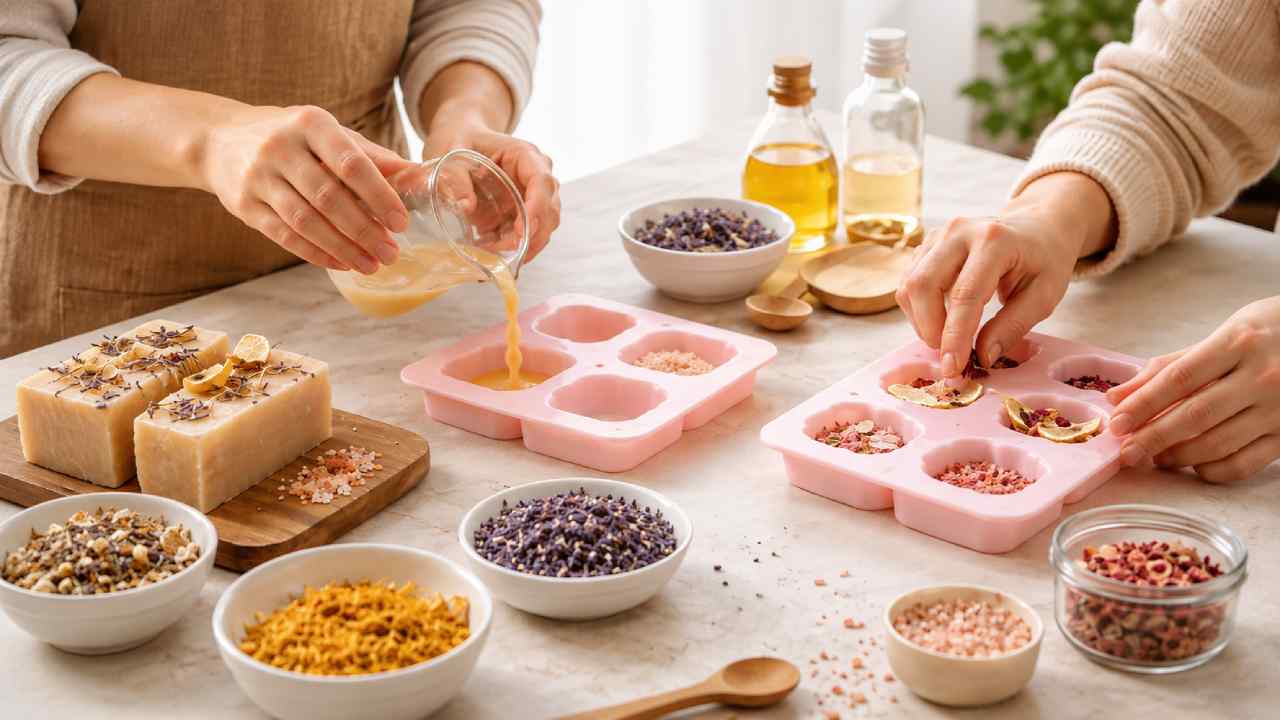
Mayumiotero – Handmade Soap has become more than a skincare product. Today, it represents a creative lifestyle that values quality, sustainability, and personal expression. More people are choosing handmade products because they appreciate knowing exactly what goes into them. Unlike many mass-produced soaps, handmade versions often contain nourishing plant oils, natural butters, and botanical extracts. As consumers become more aware of ingredient labels, they increasingly look for products with simple and recognizable components. Furthermore, making soap at home offers a rewarding experience that combines creativity with practical skills. Many hobbyists begin by crafting soap for family members before turning their passion into a small business. Therefore, handmade soap continues to attract people who enjoy healthy living while exploring meaningful DIY activities.
Read Also: The Secret Computer That Helped Win World War II Finally Gets Global Recognition
Understanding What Makes Handmade Soap Different
Although commercial soap is widely available, Handmade Soap offers several unique advantages. First, artisans carefully select every ingredient to create specific qualities such as moisturizing, gentle cleansing, or rich lather. Second, handmade recipes often avoid unnecessary additives, allowing natural oils and essential ingredients to shine. In addition, every batch reflects the maker’s creativity through color, fragrance, and design. Some soaps include dried flowers, herbs, clay, or oatmeal for extra texture and visual appeal. As a result, each bar feels unique rather than identical. While commercial products focus on large-scale consistency, handmade soap emphasizes craftsmanship and attention to detail. This personal approach explains why many consumers are willing to invest in artisan skincare products.
Natural Ingredients That Create Better Soap
The quality of Handmade Soap begins with carefully selected natural ingredients. Olive oil provides gentle cleansing while helping maintain skin moisture. Coconut oil creates abundant lather and contributes to a firm bar of soap. Shea butter and cocoa butter add creaminess that leaves skin feeling soft after every wash. Meanwhile, sweet almond oil delivers lightweight hydration suitable for many skin types. Oatmeal offers gentle exfoliation, while honey naturally enhances moisture retention. Essential oils such as lavender, peppermint, eucalyptus, or sweet orange introduce pleasant natural fragrances without relying on synthetic perfumes. Together, these ingredients create a balanced formula that feels luxurious while remaining simple. Consequently, many soap makers prefer combining several natural oils to achieve the perfect balance between cleansing, conditioning, and durability.
Essential Equipment Before You Begin
Before making Handmade Soap, gathering the proper equipment is essential for both safety and consistent results. A digital scale ensures accurate measurements, while heat-resistant glass or stainless-steel containers simplify mixing. Silicone spatulas help combine ingredients evenly without scratching containers. Silicone molds make removing finished soap much easier than rigid molds. In addition, a thermometer helps monitor temperatures during preparation. Beginners using the cold process should also wear gloves and protective eyewear because handling lye requires careful attention. Fortunately, those who choose the melt-and-pour method need fewer specialized tools, making it an excellent starting point. Investing in reliable equipment not only improves safety but also increases the overall quality of every batch.
Choosing the Best Soap Making Method
Two popular techniques dominate the world of Handmade Soap. The first is the melt-and-pour method, which is ideal for beginners. It involves melting a ready-made soap base before adding natural fragrances, herbs, or colorants. Since the base is already saponified, the process remains simple and safe. On the other hand, the cold process starts from scratch by combining oils with a carefully measured lye solution. This technique allows complete control over the recipe but requires additional knowledge and several weeks of curing time. Although both methods produce beautiful results, beginners often gain confidence with melt-and-pour before exploring more advanced soap-making techniques. Each approach offers valuable opportunities for creativity and skill development.
Read Also: AI Fashion Design Visualization Transforming Creativity Through Intelligent Innovation
Step-by-Step Guide to Making Handmade Soap
Making Handmade Soap at home can be surprisingly enjoyable. Begin by preparing all ingredients and equipment before starting the process. If using a melt-and-pour base, cut it into small cubes and melt it gently using a double boiler or microwave. Next, stir in your chosen essential oils, dried flowers, or natural exfoliants such as oatmeal. Then, pour the mixture carefully into silicone molds and gently remove any surface bubbles. Allow the soap to cool completely before unmolding. If you are using the cold process, always follow precise measurements and recommended safety procedures. Finally, let the finished bars cure properly if required. Careful preparation ensures attractive soap with consistent texture and long-lasting performance.
Tips for Creating Beautiful Handmade Soap
Creating visually appealing Handmade Soap requires both patience and thoughtful design. Instead of adding too many colors or fragrances, focus on achieving balance. Natural ingredients such as turmeric, spirulina, activated charcoal, or pink clay provide attractive colors while maintaining a clean ingredient list. Likewise, dried lavender, rose petals, calendula flowers, and citrus zest can enhance both appearance and texture. Moreover, selecting complementary essential oil blends creates a memorable sensory experience. Recording every recipe also helps improve future batches because small adjustments often make noticeable differences. With practice, even simple designs can appear elegant and professional. Therefore, consistency and creativity usually produce better results than excessive decoration.
Handmade Soap as a Creative Lifestyle and Business Opportunity
Beyond skincare, Handmade Soap represents creativity, sustainability, and entrepreneurship. Many people begin soap making as a relaxing weekend hobby before discovering its commercial potential. Handmade products often appeal to customers seeking environmentally conscious alternatives with authentic craftsmanship. Additionally, artisan soap makes thoughtful gifts because each bar feels personal and carefully made. Social media has also helped independent creators share unique designs with larger audiences, encouraging more people to appreciate handmade products. While success requires dedication and continuous learning, soap making offers an accessible path for creative individuals interested in developing practical skills. Ultimately, every handmade bar reflects the maker’s passion, attention to detail, and commitment to producing something both useful and beautiful.