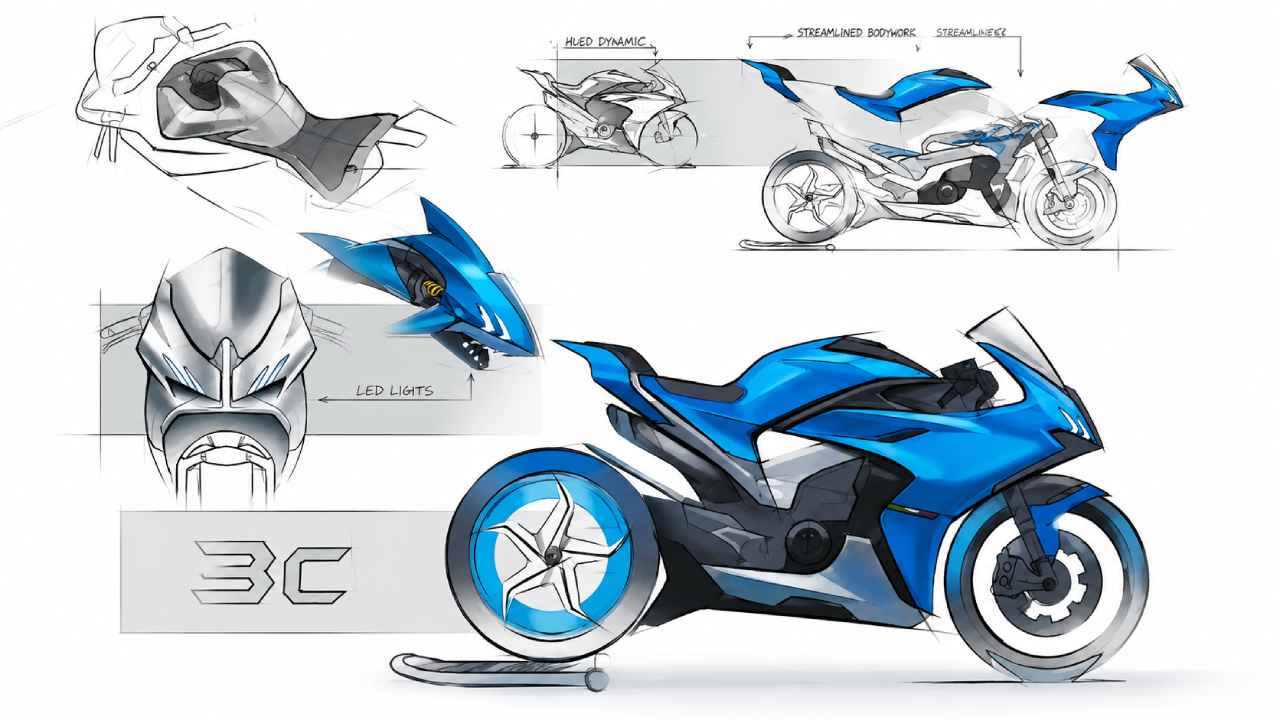
Mayumiotero – Motorcycles have evolved far beyond simple transportation. Today, they combine advanced engineering, attractive styling, and intelligent technology to create machines that perform well while expressing personality. Motorcycle Design plays a central role in this transformation because every curve, component, and material affects the way a motorcycle looks, feels, and performs. As manufacturers continue to innovate, modern motorcycles deliver better comfort, higher efficiency, and greater safety than ever before. Consequently, motorcycle design has become one of the most influential factors when riders choose their next bike.
Read Also: Google’s New Android Backup Policy Could Fill Storage Faster
Motorcycle Design Has Changed Significantly Over the Years
Motorcycle design has experienced remarkable development since the first production motorcycles appeared in the late nineteenth century. Early models focused almost entirely on reliability and mechanical simplicity. However, manufacturers gradually realized that appearance, comfort, and aerodynamics also mattered. As technology improved, motorcycles became lighter, faster, and more efficient. Today, designers work closely with engineers to ensure every model offers an excellent balance between performance and visual appeal. Therefore, modern motorcycles are not only practical machines but also products that reflect creativity and innovation.
The Foundation of Every Great Motorcycle Begins with the Frame
The frame forms the backbone of every motorcycle. It supports the engine, suspension, wheels, and rider while maintaining structural stability. Different frame designs create different riding characteristics. Steel frames often provide durability and affordability, whereas aluminum frames reduce weight and improve handling. Premium motorcycles may even use carbon fiber to maximize strength while minimizing mass. Moreover, engineers carefully calculate weight distribution because balanced motorcycles respond more predictably during acceleration, braking, and cornering. As a result, frame design directly influences rider confidence and overall performance.
Aerodynamics Improve Both Speed and Efficiency
Aerodynamics has become increasingly important in modern motorcycle development. Smooth airflow reduces drag, increases stability, and improves fuel efficiency. Sport motorcycles especially benefit from aerodynamic fairings that minimize wind resistance at high speeds. Meanwhile, touring motorcycles use larger windshields to reduce rider fatigue during long journeys. Designers also utilize computer simulations and wind tunnel testing before production begins. Consequently, every body panel serves both aesthetic and functional purposes. Even small design adjustments can improve airflow while enhancing the motorcycle’s visual identity.
Ergonomics Create a Better Riding Experience
A beautiful motorcycle must also be comfortable to ride. Therefore, ergonomics receives significant attention throughout the design process. Engineers carefully determine seat height, handlebar position, footpeg placement, and fuel tank shape to create a natural riding posture. For example, sport bikes encourage a forward-leaning position for aggressive riding, while cruisers prioritize relaxed comfort. Adventure motorcycles, on the other hand, offer upright ergonomics that reduce fatigue during long-distance travel. Because rider comfort directly affects safety and enjoyment, ergonomic design remains one of the highest priorities for manufacturers.
Advanced Technology Continues to Transform Motorcycle Design
Technology has dramatically reshaped motorcycle design during the past decade. Modern motorcycles now include digital TFT displays, adaptive LED lighting, ride-by-wire throttle systems, traction control, cornering ABS, and multiple riding modes. Additionally, smartphone connectivity allows riders to access navigation, calls, and music directly from the dashboard. Electric motorcycles introduce even greater flexibility because designers no longer need to accommodate traditional combustion engines. Therefore, future motorcycle design will likely integrate artificial intelligence, connected systems, and even smarter safety technologies that improve both convenience and confidence.
Materials Determine Durability and Overall Performance
Selecting the right materials is essential for creating reliable motorcycles. Manufacturers often combine high-strength steel, aluminum alloys, reinforced plastics, magnesium, and carbon fiber to achieve the ideal balance between durability and weight. Lightweight materials improve acceleration, braking, and fuel economy while maintaining structural integrity. Furthermore, corrosion-resistant components extend the motorcycle’s lifespan and reduce maintenance requirements. Premium motorcycles frequently feature titanium exhaust systems and forged aluminum wheels to maximize performance. Consequently, material selection remains one of the most important decisions during motorcycle development.
Read Also: What Is Sensory Play? Benefits Every Parent Should Know
Different Motorcycle Styles Require Different Design Approaches
Every category of motorcycle demands its own design philosophy. Sport motorcycles emphasize aggressive styling and maximum aerodynamics. Touring motorcycles prioritize rider comfort, luggage capacity, and wind protection. Naked bikes highlight exposed mechanical components for a minimalist appearance. Meanwhile, adventure motorcycles combine rugged durability with long-travel suspension for diverse terrain. Cruisers focus on relaxed ergonomics and timeless styling that appeals to riders seeking comfort and character. Because each riding style serves different needs, manufacturers carefully tailor every design to its intended purpose rather than following a single universal formula.
Sustainability Is Shaping the Future of Motorcycle Design
Environmental awareness now influences motorcycle manufacturers around the world. Companies invest heavily in electric motorcycles, recyclable materials, and cleaner production methods to reduce environmental impact. Battery technology continues to improve, allowing electric motorcycles to travel farther while charging more quickly. In addition, manufacturers explore sustainable composites and eco-friendly manufacturing processes that minimize waste. These innovations demonstrate that performance and environmental responsibility can develop together. Therefore, sustainable motorcycle design will continue to become an important competitive advantage throughout the coming years.
Motorcycle Design Continues to Inspire Riders Worldwide
Motorcycle design represents far more than attractive styling. It combines engineering precision, rider comfort, advanced technology, and artistic creativity into a single machine that delivers both excitement and reliability. Every improvement, whether mechanical or visual, contributes to a safer and more enjoyable riding experience. As technology continues to evolve, designers will have even greater opportunities to create motorcycles that are lighter, smarter, and more sustainable. Ultimately, Motorcycle Design will remain the driving force behind innovation while inspiring future generations of riders across the world.