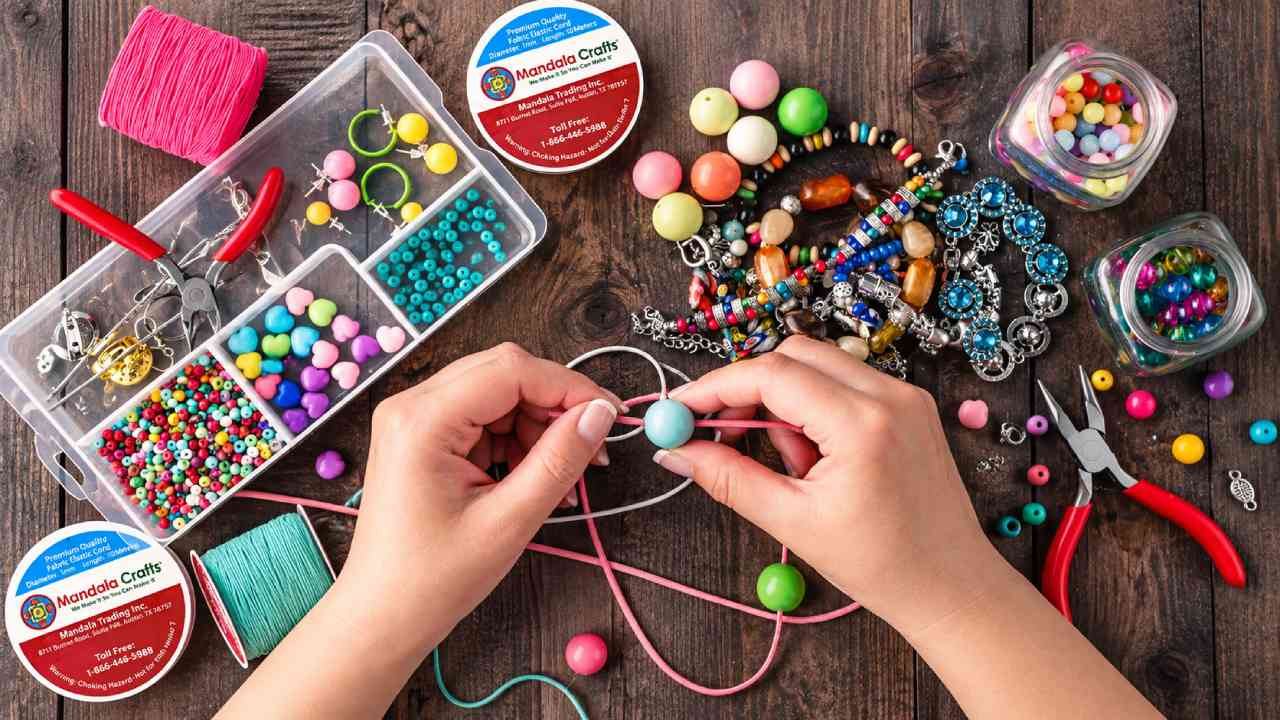
Mayumiotero – Sensory play gives children a simple way to learn through direct experience. It involves activities that stimulate touch, sight, sound, smell, taste, movement, or balance. Although the idea may sound modern, children have always learned this way. They explore water, sand, leaves, dough, sounds, and everyday objects with natural curiosity. Therefore, sensory play does not need expensive toys or complex equipment. Parents can create meaningful activities with safe materials already available at home. More importantly, these experiences can support physical, emotional, social, and cognitive development. As children scoop, pour, squeeze, sort, and compare objects, they are not only playing. They are also building skills that may help them understand the world more clearly.
Read Also: DeepSeek Quietly Develops Its Own AI Chip, Putting Nvidia on Alert
What Sensory Play Really Means
Sensory play refers to activities that actively involve one or more of a child’s senses. These senses include touch, sight, hearing, smell, and taste. However, sensory learning also involves balance and body awareness. For example, jumping, spinning, climbing, and carrying objects can help children understand how their bodies move. In practice, sensory activities can be very simple. A child may squeeze soft dough, listen to rice falling into a container, or watch colors mix in water. Each activity gives the brain information to process. As a result, the child begins to notice differences in texture, weight, sound, shape, and movement. This process helps turn everyday play into a valuable learning experience.
Why Sensory Play Matters in Early Childhood
Early childhood is a period of rapid learning and development. During these years, children build basic skills through repetition, movement, and exploration. Sensory play supports this process because it encourages active participation. Instead of only watching or listening, children can touch, test, and discover. Therefore, learning becomes more memorable and personal. A toddler who pours water between cups learns about volume, control, and cause and effect. Meanwhile, a preschooler who sorts objects by texture learns how to compare and classify. These moments may seem small, yet they build important foundations. In my view, sensory activities are most effective when adults allow children enough freedom to explore without controlling every step.
Sensory Play Supports Brain Development
Every sensory experience sends information to the brain. Over time, repeated experiences help children recognize patterns and respond more confidently. For instance, they learn that ice feels cold, water flows, and clay changes shape under pressure. These discoveries help children form connections between actions and results. Moreover, sensory play can strengthen attention because children often become deeply focused on interesting textures or movements. A child who transfers beans with a spoon must watch carefully and adjust each movement. This activity combines concentration, planning, and coordination. Although sensory play is not a substitute for formal education, it can create a strong base for later learning. It makes abstract ideas easier to understand because children experience them directly.
It Builds Fine and Gross Motor Skills
Sensory activities often require children to use their hands, fingers, arms, and whole bodies. As a result, they can support both fine and gross motor development. Fine motor skills develop through actions such as pinching, squeezing, rolling, pouring, and picking up small objects. These movements may later help with writing, dressing, drawing, and using utensils. Gross motor skills improve through climbing, pushing, jumping, crawling, and balancing. For example, playing with dough strengthens the fingers, while walking across different surfaces challenges balance. Therefore, sensory play can connect movement with learning in a natural way. Parents do not need to create a strict exercise session. Instead, they can provide safe materials and enough space for children to move freely.
Sensory Activities Can Improve Language Skills
Sensory play gives children many opportunities to hear and use new words. Parents can describe textures as smooth, rough, sticky, soft, wet, or dry. They can also introduce words related to size, color, sound, temperature, and movement. Because the child can see or feel the object, the meaning becomes easier to understand. In addition, open-ended questions can encourage conversation. Parents might ask, “How does it feel?” or “What happens when you mix these colors?” These questions invite children to observe and explain. However, adults should avoid turning every activity into a lesson. Natural conversation works better than constant correction. When language grows from shared play, children may feel more relaxed and willing to communicate.
Sensory Play Encourages Creativity and Problem-Solving
Unlike toys with one fixed purpose, sensory materials often allow many possible uses. Sand can become a road, a cake, a mountain, or a construction site. Water can be poured, mixed, frozen, or used to test which objects float. Therefore, children have room to invent their own ideas. They also face small problems that require solutions. A tower may fall, a container may overflow, or a shape may not hold. Instead of seeing these moments as mistakes, parents can treat them as part of learning. Children can try again, adjust their method, and observe the result. This process supports flexible thinking. It also teaches that problems do not always have one correct answer. In many cases, creativity develops best when children are given time rather than immediate instructions.
It May Help Children Manage Emotions
Some sensory activities can feel calming and predictable. Repetitive actions such as pouring water, squeezing dough, brushing sand, or sorting objects may help children slow down. For this reason, many parents use quiet sensory activities during transitions or after busy moments. However, every child responds differently. One child may enjoy soft textures, while another may dislike them. Therefore, adults should observe the child’s reaction rather than forcing participation. Sensory play works best when the child feels safe and in control. A calm environment, simple materials, and clear boundaries can make the experience more comfortable. Parents should also remember that sensory activities are supportive tools, not treatments for emotional or developmental concerns.
Easy Sensory Play Ideas for Home
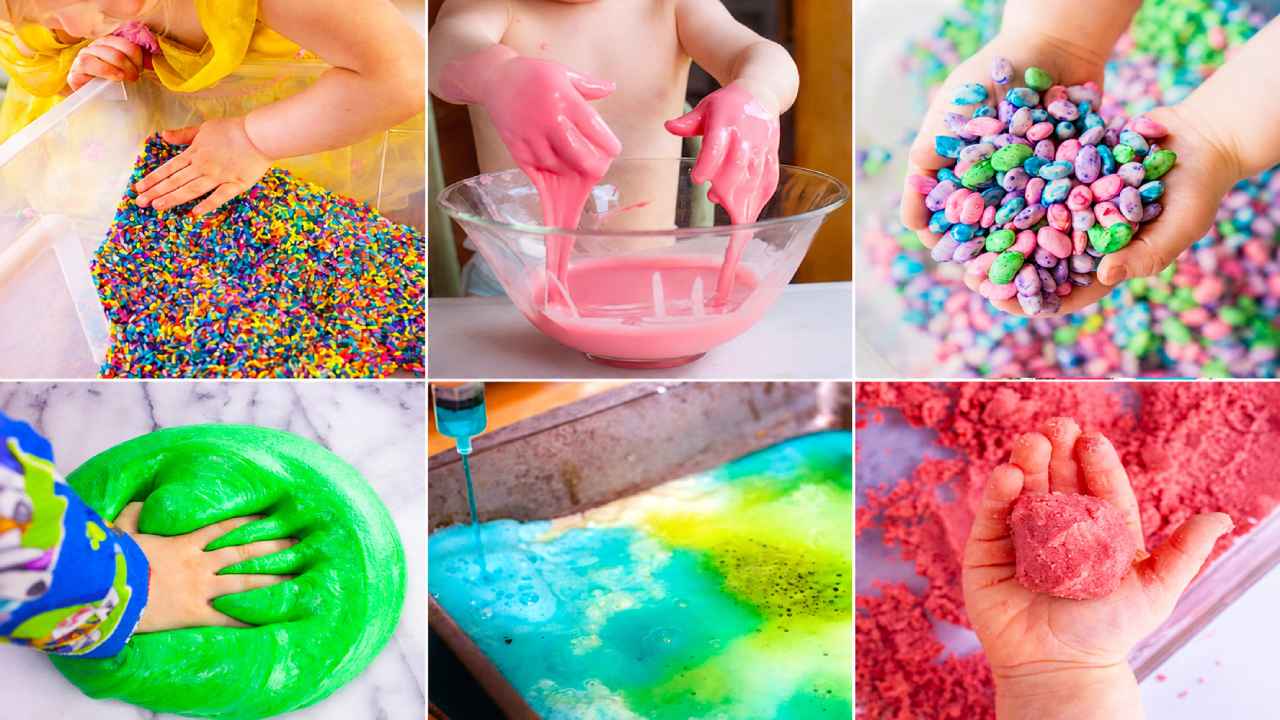
Parents can create sensory activities with common household materials. Water play is one of the easiest options. Children can use cups, spoons, funnels, and floating toys in a shallow container. Play dough is another useful choice because children can roll, flatten, cut, and shape it. Other ideas include finger painting, sorting large buttons by color, washing toy animals, exploring leaves, or making a texture box. Older children may enjoy mixing colors, gardening, baking, or building with clay. However, the activity should match the child’s age and ability. Simple setups are usually better than crowded ones. A small number of materials can reduce distraction and encourage deeper exploration.
Read Also: How AI Style Transfer Creates Stunning Artistic Images
Safety Should Always Come First
Sensory play requires careful supervision, especially for babies and toddlers. Small objects can create a choking risk, while some materials may cause irritation or allergic reactions. Therefore, parents should choose age-appropriate, non-toxic, and easy-to-clean items. Food-based materials should also be selected carefully, particularly when allergies are present. Water activities need constant adult attention, even when the water is shallow. In addition, parents should check objects for sharp edges or loose parts. Clean surfaces before and after play, and wash reusable materials when needed. Most importantly, stop the activity if the child becomes uncomfortable or overwhelmed. Safe sensory play should feel enjoyable, not stressful.
How Parents Can Make Sensory Play More Meaningful
The parent’s role is to guide without taking over. Adults can prepare the space, introduce materials, and model safe use. After that, children should have enough freedom to explore. Instead of showing the “correct” way to play, parents can observe and respond to the child’s interests. For example, if a child enjoys pouring, offer containers of different sizes. If the child prefers sorting, add objects with varied colors or textures. This approach keeps the experience child-led. Moreover, parents can use simple comments rather than constant questions. Saying, “That sponge holds a lot of water,” may encourage deeper thinking. Meaningful sensory play grows from curiosity, patience, and shared attention.
Sensory Play Does Not Need to Be Complicated
Many parents assume that useful activities require special kits or expensive products. In reality, sensory play can happen during normal daily routines. Washing vegetables, folding towels, mixing batter, digging in soil, or walking barefoot on grass can all provide sensory input. Therefore, parents do not need to create a perfect activity every day. Consistency matters more than complexity. Even ten minutes of focused exploration can feel valuable. In my opinion, the best sensory activities are often the simplest because they allow children to lead. When play feels natural, children are more likely to stay curious, engaged, and confident.
Final Thoughts on Sensory Play
Sensory play turns ordinary moments into opportunities for learning. It can support movement, language, creativity, concentration, and emotional regulation. More importantly, it helps children understand the world through direct experience. Parents do not need advanced knowledge to begin. They only need safe materials, close supervision, and a willingness to let children explore. Every child has different preferences, so the activity should remain flexible. When parents follow the child’s interests, sensory play becomes more enjoyable and meaningful. It is not simply a trend in modern parenting. Instead, it is a practical way to support development through the kind of learning children naturally enjoy.