Mayumiotero – Bento Grid Is Becoming one of the most discussed design approaches in the digital industry. From AI startups to major technology companies, many websites now rely on this layout to create cleaner and more engaging user experiences. At first glance, Bento Grid may look simple because it organizes content into neat boxes of different sizes. However, behind its minimalist appearance lies a powerful strategy that helps users consume information faster. As mobile traffic continues to dominate the internet and AI-driven products become more common, website owners are searching for layouts that feel modern while remaining practical. Because of that, Bento Grid has emerged as a preferred solution. It combines visual hierarchy, accessibility, and flexibility in a way that aligns perfectly with the expectations of today’s digital audience.
Read Also: FBI Warns Microsoft 365 Users About AI-Powered Account Theft Attack
The Inspiration Behind Bento Grid Design
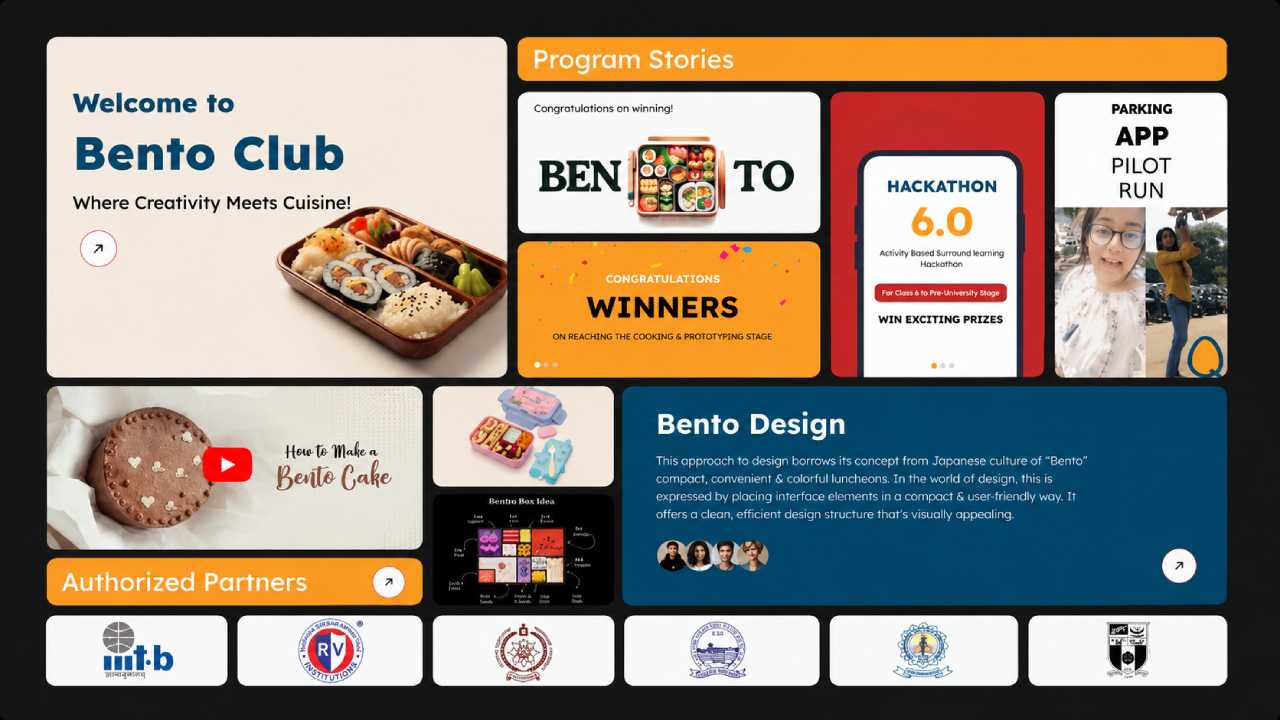
The term Bento Grid originates from traditional Japanese bento boxes that separate food into organized compartments. Designers adopted this concept and transformed it into a digital layout system. Instead of placing all content in a long vertical structure, Bento Grid divides information into visual sections. As a result, users can identify key content instantly. This approach feels natural because the human brain processes grouped information more efficiently. Moreover, modern consumers often scan rather than read. Therefore, layouts that support quick understanding tend to perform better. Many designers appreciate Bento Grid because it offers both creativity and structure. While the design remains visually appealing, it also improves content discoverability.
Mobile Users Are Driving the Shift
Mobile devices now account for the majority of web traffic worldwide. Consequently, websites must adapt to smaller screens without sacrificing usability. This is where Bento Grid becomes especially valuable. Unlike traditional layouts that can appear crowded on mobile devices, Bento Grid rearranges content into flexible modules. Therefore, users can navigate information smoothly regardless of screen size. Furthermore, mobile visitors often make decisions within seconds. A cluttered interface can increase bounce rates and reduce engagement. By contrast, Bento Grid creates a clean browsing experience that feels effortless. In my opinion, its mobile-friendly nature is one of the strongest reasons behind its rapid adoption across different industries.
The Influence of AI Companies on Design Trends
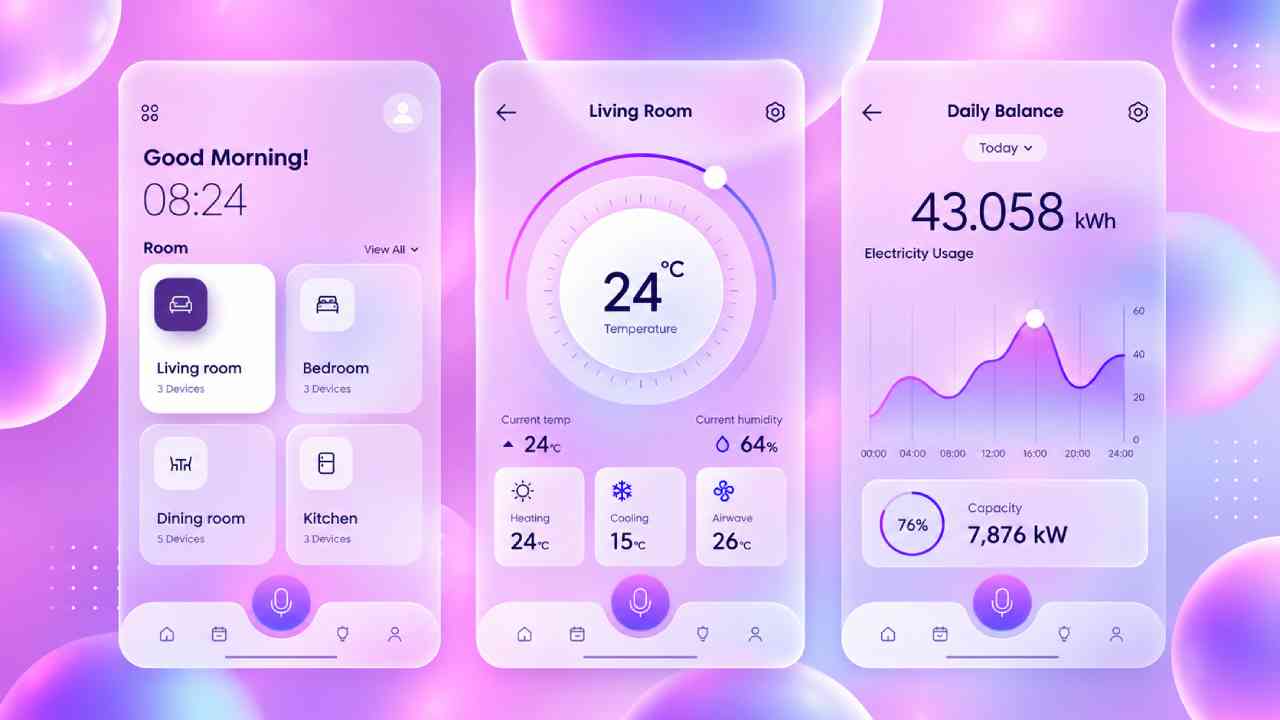
Many AI-focused companies have embraced Bento Grid as part of their branding strategy. This trend is not accidental. AI products often involve multiple features, tools, and workflows that need clear presentation. Consequently, Bento Grid offers an effective way to organize complex information. Instead of overwhelming visitors with large blocks of text, companies can highlight important features through visual cards. Moreover, the layout creates a futuristic impression that aligns well with AI innovation. As users increasingly associate Bento Grid with modern technology, more businesses are adopting the style to appear forward-thinking and relevant in a highly competitive market.
Why Users Prefer Structured Information
People are exposed to more digital content than ever before. Because attention spans are becoming shorter, website design must support rapid information processing. Bento Grid helps solve this challenge by creating clear visual pathways. Each section has a specific purpose, making navigation more intuitive. As a result, users spend less time searching and more time engaging with content. Research in user experience consistently shows that organized layouts improve comprehension and satisfaction. Therefore, it is not surprising that Bento Grid continues to gain popularity. The design works with human behavior rather than against it, which is a significant advantage in today’s fast-moving digital environment.
The Connection Between Bento Grid and User Experience
User experience has become one of the most important factors in website success. Search engines, businesses, and consumers all value websites that are easy to use. Bento Grid contributes to this goal by simplifying navigation and reducing cognitive load. In addition, it encourages users to explore multiple sections of a website instead of focusing on only one piece of content. This can increase session duration and improve overall engagement metrics. From a strategic perspective, these benefits are valuable because they support both business objectives and user satisfaction. Therefore, Bento Grid is not merely a design trend; it is a practical solution to modern UX challenges.
Read Also: Many People Are Starting to Romanticize Everyday Life on Social Media
How Bento Grid Supports Better Storytelling
Storytelling remains a powerful tool in digital communication. Interestingly, Bento enhances storytelling by allowing information to be presented in digestible segments. Instead of forcing users through a rigid reading path, the layout provides multiple entry points into a narrative. As a result, visitors can explore content based on their interests. For example, a technology website might highlight product features, customer testimonials, and industry insights within separate cards. This approach feels more interactive and engaging. Consequently, users become active participants rather than passive readers. In many cases, that engagement leads to stronger brand connections and higher conversion rates.
The Future of Website Design Looks Modular
Design trends continue to evolve, but modular systems are becoming increasingly dominant. Bento Grid fits perfectly within this movement because it supports scalability and flexibility. Whether a website contains five pieces of content or fifty, the layout can adapt without losing visual balance. Furthermore, modular designs integrate well with AI-generated content and personalized user experiences. As digital ecosystems become more dynamic, adaptable layouts will become even more important. Therefore, Bento is likely to remain relevant for years rather than fading as a short-lived trend. Its practical benefits make it a sustainable design choice for the future.
Why Bento Grid Is More Than a Design Trend
Although many people view Bento as a modern aesthetic, its popularity is rooted in functionality. The design addresses real challenges related to usability, mobile responsiveness, content organization, and engagement. Moreover, it reflects the changing habits of digital consumers who expect faster and more intuitive experiences. In my view, Bento represents a shift toward smarter design rather than simply a visual preference. As AI technologies continue to reshape online experiences and mobile usage keeps growing, layouts that prioritize clarity and efficiency will become increasingly valuable. That is precisely why Bento is becoming a favorite website design in the AI and mobile era.