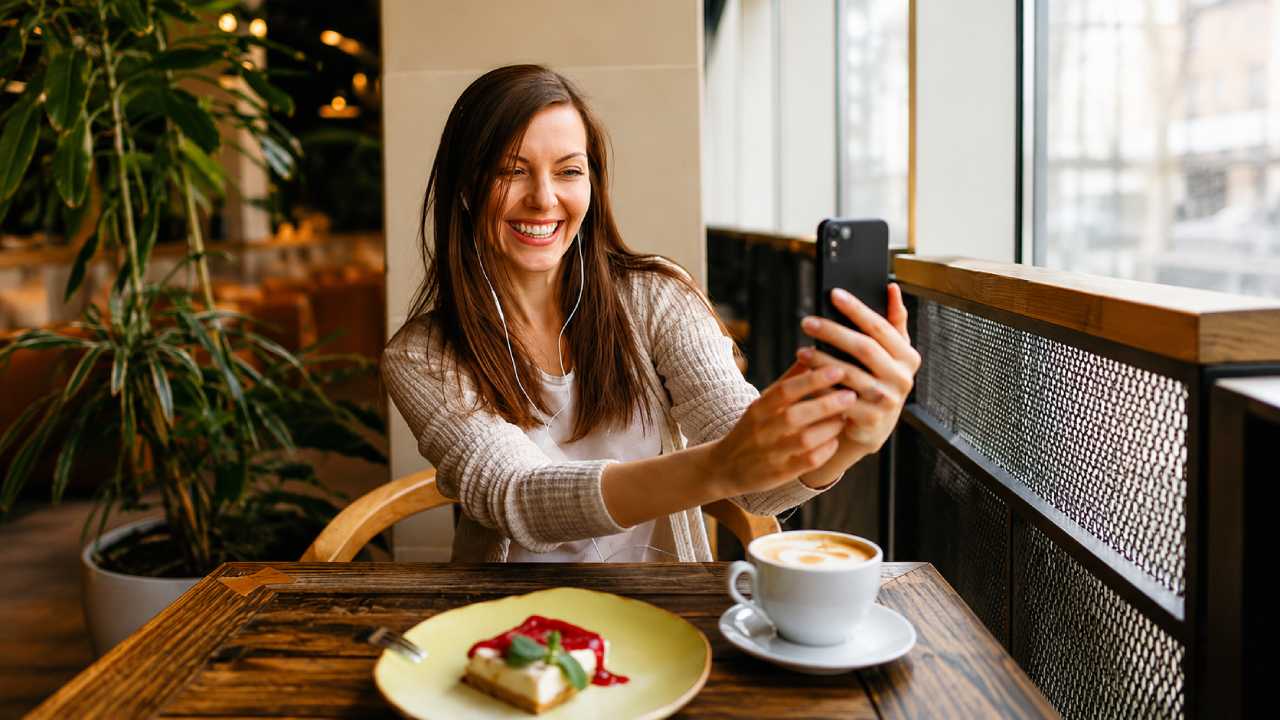
Mayumiotero – For many years, people often associated dining alone with loneliness or social isolation. Sitting by yourself in a restaurant could sometimes attract curious looks or even unwanted assumptions. However, modern society is gradually changing that perception. Today, Eating Alone is increasingly viewed as a sign of confidence, independence, and emotional maturity. More people are choosing to enjoy meals by themselves without feeling uncomfortable or judged. As lifestyles become busier and more individual-focused, the idea of waiting for others before enjoying a good meal feels less necessary. Consequently, dining solo has evolved from a social stigma into a lifestyle choice that many people proudly embrace. This cultural shift reflects broader changes in how individuals value personal freedom and self-care.
Read Also: AI Can Help You Work Faster, but Don’t Let It Make Your Mind Less Sharp
Modern Lifestyles Encourage Greater Personal Independence
The rise of Eating Alone is closely linked to the way modern life has changed. People now have different schedules, flexible work arrangements, and increasingly independent routines. As a result, coordinating meals with friends or family is not always practical. Instead of postponing plans, many individuals choose to enjoy experiences on their own. Furthermore, younger generations often prioritize convenience and personal fulfillment over traditional social expectations. This mindset encourages people to make decisions based on what works best for them rather than waiting for approval from others. Therefore, eating alone has become a natural extension of a lifestyle centered on autonomy and flexibility. In many ways, it represents a broader movement toward self-reliance in everyday life.
The Influence of Self-Care Culture on Eating Alone
Over the past decade, self-care has become an important part of modern wellness culture. People are increasingly encouraged to spend quality time with themselves and prioritize their mental well-being. Within this context, Eating Alone is often seen as a simple yet meaningful form of self-care. A quiet meal provides an opportunity to slow down, relax, and focus on the present moment. Unlike busy social gatherings, solo dining allows individuals to enjoy food without distractions or obligations. Moreover, many people discover that spending time alone helps them recharge emotionally. Consequently, eating alone is no longer viewed as a sign of isolation. Instead, it is often celebrated as an act of self-respect and personal appreciation.
Social Media Has Helped Change Public Perception
Interestingly, social media has played a major role in normalizing Eating Alone. Platforms such as TikTok, Instagram, and YouTube are filled with creators sharing their solo dining experiences. These videos often highlight the joy of enjoying a favorite meal, reading a book at a café, or exploring new restaurants independently. As more people share these experiences online, public perceptions continue to shift. What was once considered unusual is now widely accepted and even admired. Furthermore, social media has shown that many individuals around the world enjoy spending time alone. This visibility has reduced the stigma surrounding solo activities and encouraged others to try them as well. Consequently, solo dining has become part of a broader movement celebrating independence.
Restaurants Are Adapting to Solo Diners
The growing popularity of Eating Alone has also influenced the restaurant industry. In several countries, restaurants are redesigning spaces to accommodate individual customers more comfortably. Some establishments now offer single-person seating areas, cozy counter spaces, or private dining booths. Japan has long embraced this concept through its famous solo dining culture, but similar trends are now appearing globally. In addition, many cafés and casual dining venues create environments that feel welcoming to customers who arrive alone. This shift demonstrates how businesses recognize changing consumer behaviors. By adapting to the needs of solo diners, restaurants can create more inclusive experiences while appealing to a growing customer segment.
Read Also: The Future of Driverless Vehicles: When Cars Start Driving Themselves
Eating Alone Can Strengthen Emotional Confidence
Many psychologists suggest that being comfortable alone is an important sign of emotional confidence. Individuals who enjoy Eating Alone often demonstrate a strong sense of self-awareness and independence. They do not rely entirely on external validation to enjoy life’s simple pleasures. Instead, they are capable of finding satisfaction in their own company. Furthermore, solo experiences can help people develop resilience and self-reflection. Spending time alone allows individuals to understand their thoughts, preferences, and emotions more clearly. As a result, many people who regularly dine alone report feeling more confident and self-assured. Therefore, solo dining can be more than a practical choice; it can also support personal growth and emotional well-being.
Younger Generations Are Redefining Social Norms
Millennials and Generation Z have significantly contributed to the popularity of Eating Alone. These generations tend to value individuality and personal experiences more than previous generations. They are also more open to challenging traditional social expectations. As a result, activities once considered unusual are now becoming mainstream. Whether traveling alone, attending events solo, or dining independently, younger adults often see these experiences as empowering rather than isolating. Moreover, they frequently share these moments online, inspiring others to adopt similar habits. This cultural shift has helped redefine what confidence and independence look like in modern society. Consequently, eating alone is increasingly viewed as a positive lifestyle choice rather than a social concern.
The Future of Eating Alone Looks Increasingly Positive
Looking ahead, the trend of Eating Alone is likely to continue growing. As people become more comfortable with independence and self-care, solo experiences will probably become even more common. Restaurants, cafés, and hospitality businesses are already adapting to this changing behavior. At the same time, cultural attitudes toward solitude are becoming more positive and accepting. While human connection remains important, many individuals now recognize that spending time alone can be equally valuable. Ultimately, eating alone is no longer a symbol of loneliness. Instead, it has become a reflection of confidence, freedom, and the ability to enjoy life on one’s own terms. In a fast-moving world, that sense of independence is becoming more meaningful than ever.