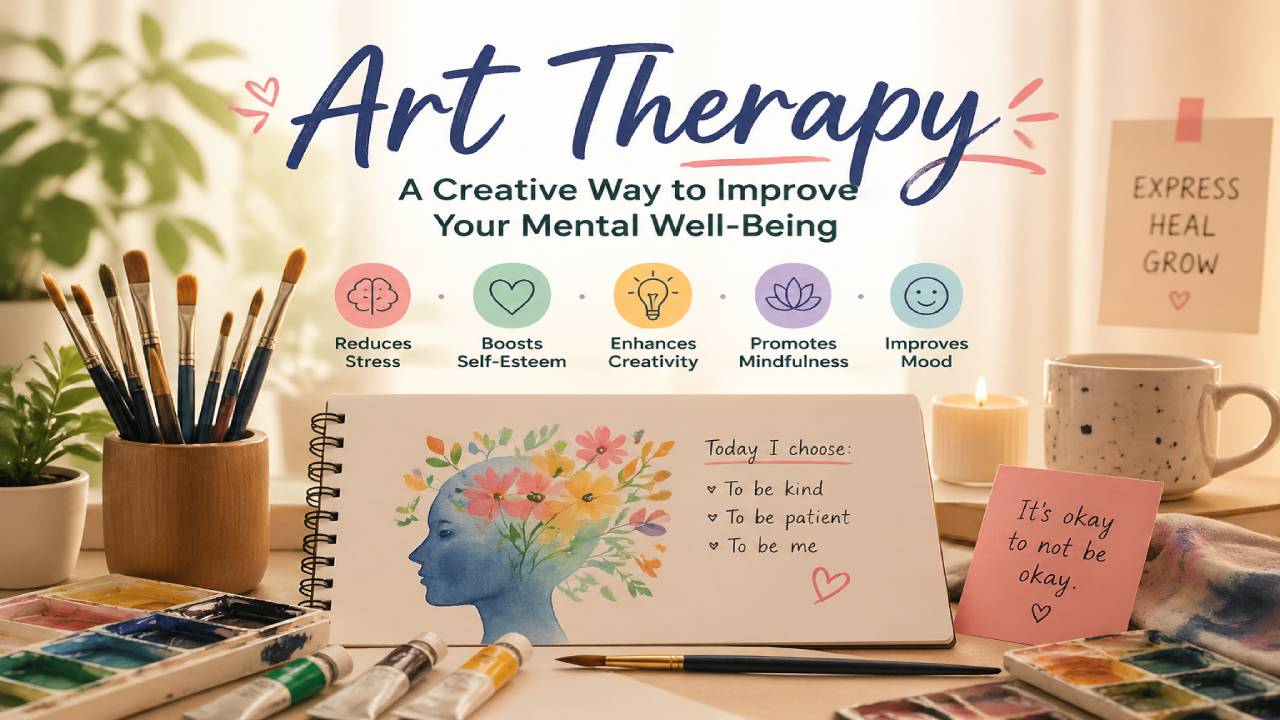
Mayumiotero – Art therapy is a unique and creative approach to enhancing mental health. This therapeutic practice uses art as a medium to help individuals express their emotions, reduce stress, and improve overall psychological well-being. It is suitable for people of all ages and backgrounds, offering an accessible way to unlock emotional expression in a non-verbal format.
Read Also: WhatsApp Plus Officially Rolls Out: Subscription Price and Exciting Features Revealed
What Is Art Therapy?
Art therapy is more than just creating beautiful pieces of art. It’s about the process of artistic creation and its therapeutic benefits. This form of therapy combines psychological theory and the creative process to improve emotional, mental, and physical well-being. Individuals engage in drawing, painting, or sculpting to express their inner feelings, which they may find difficult to articulate through words.
How Does Art Therapy Work?
Art therapy works by providing a safe space where people can express their emotions, thoughts, and experiences without judgment. Whether through drawing, painting, or other forms of art, it allows individuals to release tension and pent-up emotions. As a result, it helps people process feelings such as grief, anxiety, and stress, promoting a sense of relief and emotional healing.
Benefits of Art Therapy for Mental Health
- Reduces Stress and Anxiety: One of the key benefits of art therapy is its ability to calm the mind. Engaging in creative activities can provide a relaxing and meditative experience that helps lower stress levels and anxiety.
- Improves Emotional Expression: Many individuals struggle with verbalizing their emotions. Art therapy offers a safe and effective outlet for people to communicate their feelings in a visual form, making it easier to explore and express complex emotions.
- Enhances Self-Awareness: Through the process of creating art, individuals gain insight into their emotions and subconscious thoughts. Art therapy helps people better understand themselves and their emotional state, leading to improved self-awareness.
Art Therapy for Trauma Recovery
Art therapy is particularly beneficial for individuals who have experienced trauma. For those who find it challenging to speak about their traumatic experiences, art therapy allows them to express their feelings in a visual format. This can be incredibly helpful in healing emotional wounds and overcoming the mental barriers that come with trauma.
Art Therapy for Children
Children, especially those who may not yet have developed the language skills to express themselves effectively, can benefit greatly from art therapy. It provides a non-verbal platform for children to communicate their emotions and process their experiences in a way that feels natural and safe.
Different Forms of Art Therapy
Art therapy isn’t limited to painting and drawing. There are various techniques that therapists use, including:
- Drawing and Painting: Using various mediums like watercolors, pastels, or charcoal to create emotional expressions.
- Sculpting and Clay Work: Shaping clay or other materials to represent feelings or experiences.
- Collage: Assembling pictures or images from magazines or newspapers to form a collage that reflects one’s emotional state.
Read Also: The AI Revolution in Medicine: Improving Diagnostic Accuracy Through Medical Image Visualization
Art Therapy and Mental Health Disorders
Art therapy is beneficial for individuals struggling with various mental health disorders, including depression, anxiety, and PTSD. By helping individuals process their emotions and express themselves creatively, art therapy can complement traditional forms of therapy and aid in the recovery process.
How to Get Started with Art Therapy
If you’re interested in starting art therapy, the first step is to find a qualified art therapist. Art therapy is often provided in individual or group settings. A trained therapist will guide you through the creative process, helping you explore and express your emotions through art.
Art therapy offers a powerful and creative way to improve mental well-being. It allows individuals to express their emotions, reduce stress, and improve self-awareness. Whether dealing with trauma, mental health issues, or simply seeking a form of emotional expression, art therapy provides a valuable tool for healing and personal growth.