Mayumiotero – Glasses-Free 3D Display Technologies Hololuminescent and Light-Field Displays Development of glasses-free 3D display technologies is reshaping how we experience digital content. Unlike conventional 3D systems that rely on glasses or special equipment, these technologies provide an immersive 3D experience without any additional accessories. This article delves into two cutting-edge technologies, Hololuminescent displays and Light-field displays, that promise to revolutionize the way we interact with digital media in various industries, from entertainment to healthcare.
“Read Also: Anthropic Challenges Washington: Inside the Lawsuit That Could Redefine AI and National Security“
Hololuminescent Displays: Revolutionizing 3D Visualization
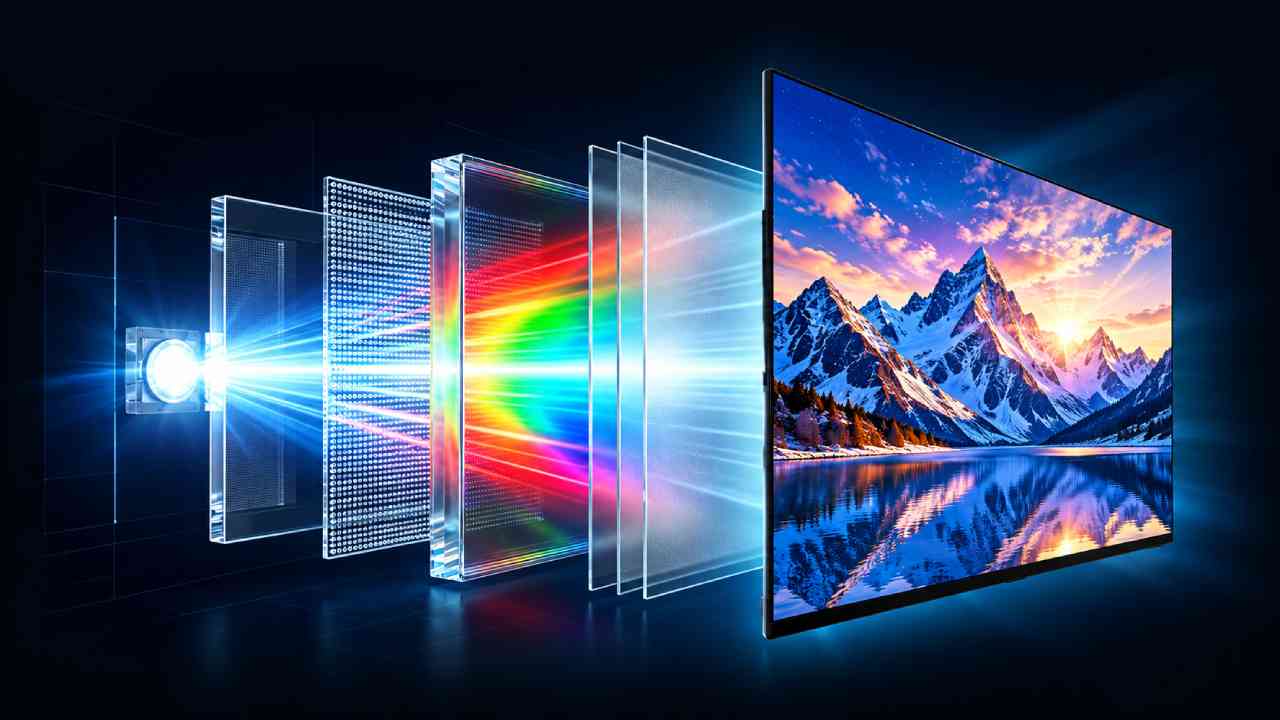
Hololuminescent display technology creates lifelike 3D images by manipulating light. Unlike flat 2D projections, hololuminescent screens project light in a way that makes the human eye perceive depth. Tiny LEDs are arranged on the panel to create a holographic effect. Hololuminescent displays are gaining popularity in industries like entertainment, healthcare, and education. In medicine, they help doctors view 3D images of organs, improving diagnostic precision. This technology is also explored for AR applications, providing more natural virtual interactions.
Light-Field Displays: Bringing Real-World Depth to Digital Content
Light-field displays capture and display light from multiple angles. This technology allows viewers to perceive depth as if they were looking at a real object. Unlike simulated depth, it reproduces light the way it behaves in the real world. The main advantage of light-field displays is their natural 3D experience. Viewers can look at the display from different angles, and the depth changes accordingly. This technology is ideal for entertainment, gaming, and design, where users can interact with content dynamically.
The Key Differences Between Hololuminescent and Light-Field Displays
Both hololuminescent and light-field displays aim to provide glasses-free 3D experiences, but they operate differently. Hololuminescent displays manipulate light at the pixel level, offering high-resolution images. However, they may not provide the same level of interactivity as light-field displays. In contrast, light-field displays offer a more interactive 3D experience. They allow users to view content from different angles, which creates a more natural depth perception. However, their resolution may be lower compared to hololuminescent displays.
The Impact on the Entertainment Industry
Glasses-free 3D technology has immense potential in entertainment. Imagine watching a 3D movie without wearing glasses. Hololuminescent and light-field technologies can revolutionize cinema and home theaters by creating a more immersive experience without the need for glasses. This innovation will also impact the gaming industry. Gamers will be able to experience interactive 3D worlds without bulky headsets or glasses, improving accessibility and engagement.
“Read Also: Floating Vanity A Modern Bathroom Design Trend That Makes a Space Look More Spacious“
Challenges to Overcome for Widespread Adoption
Despite their potential, glasses-free 3D technologies face challenges. One major issue is cost. Both hololuminescent and light-field technologies are expensive to produce and implement. This makes large-scale adoption difficult. Additionally, these technologies require advanced display panels and powerful processing. For light-field displays, rendering multiple views of an image requires sophisticated hardware. These limitations slow the integration of these technologies into consumer products.
Looking Ahead: The Future of Glasses-Free 3D Displays
Despite these challenges, the future of glasses-free 3D technology looks bright. As research continues, more affordable and efficient versions of both hololuminescent and light-field displays will emerge. Over time, these technologies will likely become standard in consumer electronics, from smartphones to TVs. Integrating AI and machine learning could further enhance these displays. They could adapt to a viewer’s position in real time, offering a more personalized 3D experience.
A New Era in Display Technology
Glasses-free 3D display technologies like hololuminescent and light-field displays are shaping the future of digital visualization. These technologies promise to transform how we interact with content. While there are challenges, their potential applications in entertainment, healthcare, and beyond are vast. The future of display technology is set to be revolutionary.