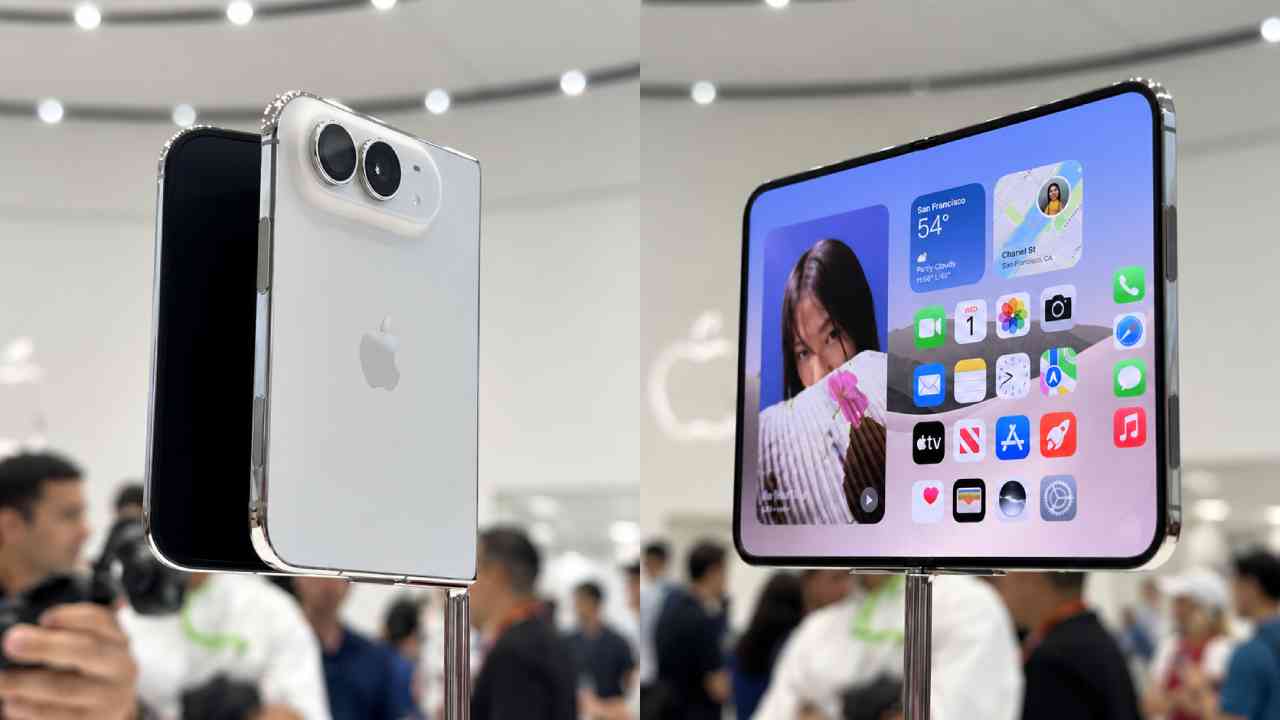
Mayumiotero – iPhone Duo is drawing stronger early interest than Apple initially expected, according to reporting from DigiTimes. The company’s first foldable iPhone has attracted attention during its opening preorder period, prompting a reported increase in shipment plans. For consumers, the arrival introduces a different way to experience the iPhone beyond its familiar shape. For Apple, meanwhile, the launch presents an opportunity to discover how customers respond to a new product format. However, an enthusiastic opening does not reveal the entire picture. The reported response provides an encouraging starting point, while sustained purchases will offer a more useful measure of the device’s commercial appeal over the coming months.
Read Also: AI Exposes PHP Security Flaws, Revealing a Global Web Risk
Apple Reportedly Plans for Millions More Devices
According to DigiTimes, Apple has raised its 12-month iPhone Duo shipment target from approximately 9.7 million to 14 million units. That represents an increase of roughly 44%, equivalent to around 4.3 million additional devices. The scale of the reported revision makes this development particularly interesting. Rather than suggesting a minor adjustment, the figures point to a substantially larger supply plan. Nevertheless, these numbers come from supply chain reporting and should retain that attribution. They do not constitute an official Apple announcement about completed sales. As an analytical reading, the increase suggests that early demand has given the company a reason to prepare for a larger opportunity.
Why Shipment Targets Differ From Customer Sales
Although the headline figures sound impressive, readers should understand what a shipment target actually represents. It describes a planned volume of devices moving through a company’s distribution network during a specified period. Customer sales, by comparison, measure purchases rather than supply ambitions. The difference matters because a device can enter a retail channel before someone buys it. Similarly, a company can revise its plans as market conditions change. Therefore, interpreting the reported 14 million units as confirmed preorders would create a misleading impression. A more useful approach is to treat the target as evidence of planning confidence, while waiting for reliable sales information to assess the eventual outcome.
Longer Waiting Times Need Careful Interpretation
Delivery delays have also contributed to the discussion surrounding iPhone Duo. DigiTimes reports that supply constraints have pushed some delivery estimates into January 2027. For an eager buyer, a longer wait can make a new release feel especially desirable. However, waiting times do not provide a straightforward count of interested customers. Limited launch inventory can create delays even when the total order volume remains unclear. Conversely, substantial demand can put pressure on an otherwise well-prepared supply network. The most balanced interpretation considers both possibilities together. Longer delivery estimates indicate restricted immediate availability, but they cannot independently establish the size or durability of demand across different markets.
The Launch Calendar Explains the Early Spotlight
Apple scheduled iPhone Duo preorders for October 16, 2026, followed by availability in its initial launch markets on October 23. The company also announced an additional market rollout beginning October 30. These dates help explain why early orders have attracted so much attention. The device is still near the beginning of its commercial journey, when anticipation and first impressions can influence purchasing decisions. As a result, the opening period offers useful signals without providing a complete demand history. A broader assessment requires time, especially as availability expands. Comparing later purchasing patterns with this initial response should eventually reveal whether launch excitement develops into a more consistent sales rhythm.
Read Also: Sound Installation Design, Where Spaces Come Alive Through Sound
Premium Pricing Makes Practical Value More Important
Apple lists iPhone Duo at a starting price of $1,999 in the United States, with storage options spanning 256GB to 2TB. The announced finishes are Night Sky and Star White. These details place the product within a premium purchasing decision, where appearance alone may not settle the question. A prospective buyer must also consider how the device fits daily routines, existing equipment, and personal spending priorities. In practical terms, a higher price raises expectations for convenience and long-term usefulness. The folding format may attract attention immediately, yet the stronger value argument comes from what someone can comfortably accomplish with it throughout an ordinary day.
Daily Experience Will Determine Lasting Appeal
Beyond shipment forecasts, the most meaningful test happens when customers begin using a phone without thinking about its launch campaign. Someone might read messages during breakfast, review documents at work, and watch a video while travelling home. Across those moments, the design needs to feel helpful and comfortable. This is an analytical perspective rather than a claim based on hands-on testing of iPhone Duo. A folding screen creates possibilities, but buyers ultimately judge the complete experience. Consequently, lasting appeal may depend on how naturally the device supports familiar habits. Novelty can encourage the first purchase, while dependable everyday usefulness gives customers a reason to remain satisfied afterward.
Sustained Demand Will Write the Next Chapter
The next stage of the iPhone Duo story will depend on whether interest continues after the first wave of attention. A useful assessment should consider several developments together: delivery availability, subsequent shipment reporting, and credible evidence of customer purchases. None of these indicators tells the entire story alone. Together, however, they can help readers distinguish an ambitious launch plan from a durable commercial result. For now, the central development remains a reported increase in Apple’s shipment target. That is a meaningful signal, but its significance will become clearer with time. The strongest coverage should therefore follow the evidence closely and keep expectations separate from confirmed outcomes.