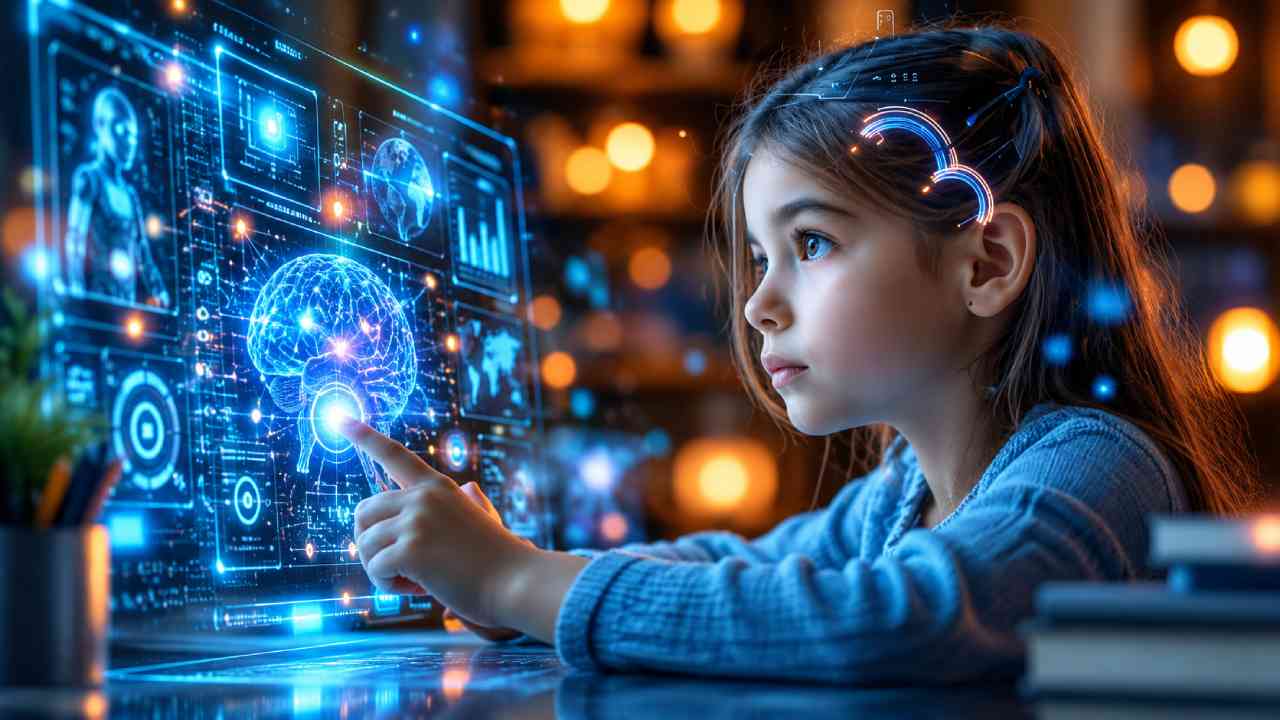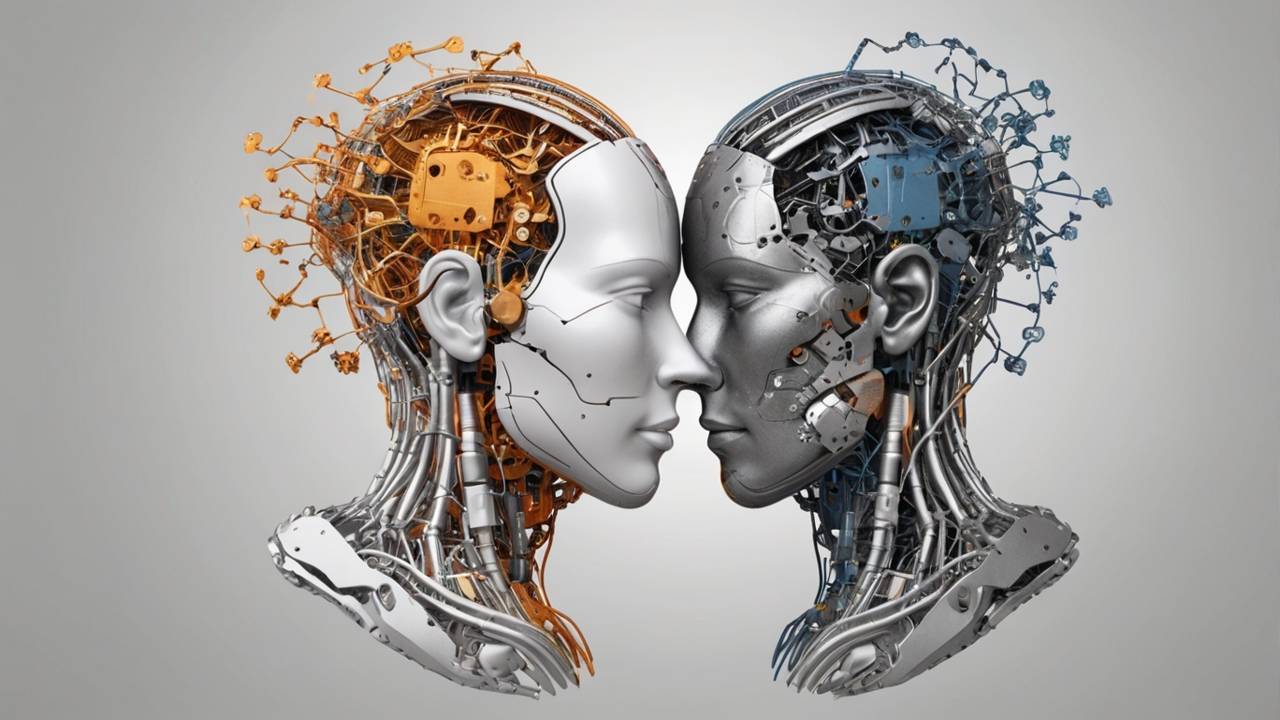
Mayumiotero – From AI to Human Touch, the creative world is undergoing a transformation. In recent years, the rise of artificial intelligence has revolutionized the way we approach creativity. Whether it’s generating art, composing music, or writing content, AI has proven itself as a powerful tool. However, despite its impressive capabilities, AI still lacks the emotional depth and intuition that human creativity brings to the table. This has sparked an important conversation about the need for balance between AI and the irreplaceable human touch in the creative process.
“Read Also: Grok Chatbot Generates Millions of Sexualized Images: A Deep Dive into the Backlash“
The Rise of AI in Creative Industries
AI has already made significant strides in the creative industry, assisting professionals in various fields such as music, writing, and design. For example, AI-powered tools can now generate art based on specific inputs or create music that mimics famous composers. In the world of content creation, AI can write articles, generate headlines, and even optimize SEO—all tasks that traditionally required human effort. These advancements have led to a surge in efficiency, making creative processes faster and more accessible.
However, while AI has proven to be a valuable asset, it’s important to recognize the limitations of machine-generated creativity. Despite its ability to mimic styles and patterns, AI lacks true emotional depth and understanding of context. It can process vast amounts of data, but it doesn’t experience life as humans do. This is where the human touch becomes indispensable.
The Role of Human Creativity in the Age of AI
Human creativity, unlike AI, is fueled by emotions, experiences, and the ability to make intuitive decisions. For example, an artist’s brushstroke is not just a technical execution; it’s a reflection of their personal journey, struggles, and perceptions. Human creativity draws from a deep well of intuition and emotion, qualities that AI simply cannot replicate.
Human creators understand nuance and context in ways AI struggles to. For example, a writer crafts stories that resonate with readers, considering cultural and historical references, and emotions elements AI can’t replicate. This ability to connect with people on an emotional level is a cornerstone of human creativity.
AI as a Collaborative Tool, Not a Replacement
Instead of viewing AI as a competitor, it should be a collaborative tool that enhances creativity. AI automates repetitive tasks, freeing human creators to focus on emotional depth, intuition, and originality
For example, in graphic design, AI can suggest color palettes or layouts based on current trends, but the designer’s personal style and vision will ultimately shape the outcome. This synergy between AI and human creativity can lead to more innovative and dynamic results than either could achieve alone.
“Read Also: AI Mirrors” Are Changing the Way Blind People See Themselves“
The Importance of the Human Touch in the Digital World
While AI reshapes the creative world, human touch ensures our creations remain meaningful, unique, and connected to the human experience. AI can generate designs, but only humans can infuse them with personal values and cultural significance. These elements add depth to creative work and make it resonate with audiences in ways that AI cannot replicate.
Additionally, the human element is essential for ensuring authenticity in creative expression. In a world where AI can produce endless variations of content, the distinct voice of a human creator becomes increasingly valuable. This voice is what makes content stand out and establishes a genuine connection with the audience.
Striking a Balance Between AI and Human Creativity
As we move forward, we must balance AI and human creativity. AI should enhance human potential, not replace human effort. By embracing both the efficiency of AI and the emotional depth of human creativity, we can create a new creative balance that drives innovation and fosters a deeper connection to our work.
For example, in the world of advertising, AI can analyze data to identify trends and target audiences, while human creatives can craft the message that resonates with those audiences on a personal level. This collaboration leads to more effective campaigns that are not only data-driven but also emotionally engaging.
The Future of Creativity: AI and Human Synergy
The future of creativity lies in AI-human synergy. As AI evolves, it becomes a larger part of creativity. However, the human touch will continue to push boundaries and connect people deeply. The key is to embrace technology while maintaining the authenticity and emotional resonance that only humans can provide.
In the end, the balance between AI and human touch will drive new innovation while maintaining the emotional essence of creativity. By leveraging both the power of AI and the unique perspective of human creators, we can shape a future that celebrates both technological advancement and the irreplaceable value of human artistry.
Conclusion: Embracing Both Worlds for Greater Creativity
The journey from AI to human touch is not a battle between technology and creativity but a journey of collaboration. Integrating both AI and human input allows us to craft creations that are efficient and meaningful. As we move forward, balancing AI with human touch will unlock a new era of creativity. This balance will drive innovation and emotional resonance.