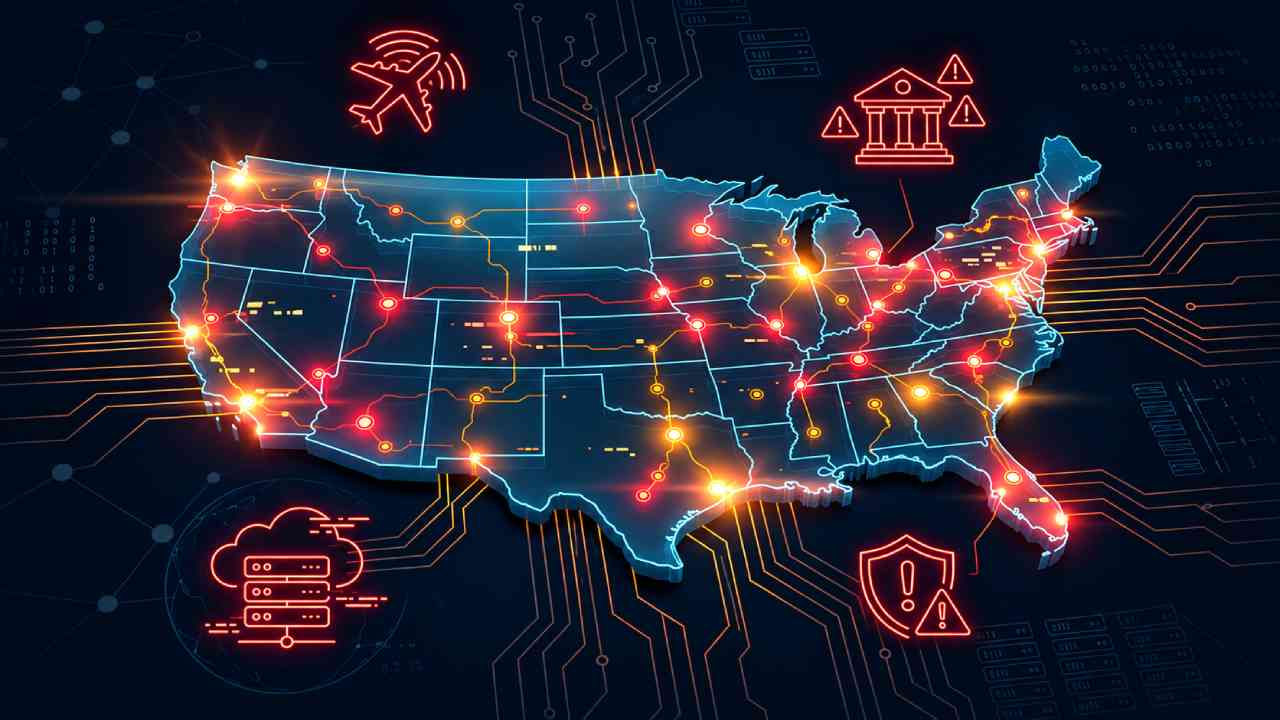
Mayumiotero – Between November 12 and 17, 2026, six major technology outages disrupted essential services across the United States and beyond. Microsoft applications stopped working, flights were grounded, and banking transactions faced delays. Meanwhile, Workday, Anthropic’s Claude, and even the National Security Agency experienced technical problems. The unusual timing raised questions about whether hackers were targeting American infrastructure. However, officials and several affected companies reported no evidence of coordinated cyberattacks. Instead, software bugs, network failures, and maintenance issues emerged as possible explanations. The incidents exposed an important weakness in modern technology: even highly protected systems can fail without malicious interference.
Why Six Major Technology Outages Raised Concerns About Hackers
Modern society depends on digital systems that operate around the clock. Businesses rely on cloud platforms, travelers need aviation networks, and banks process millions of transactions. Therefore, several major outages within one week naturally attracted attention. The disruptions affected different industries, yet they shared one important characteristic. Each demonstrated how quickly technical problems can interrupt everyday activities. For many users, the timing seemed unusual enough to raise concerns about hackers. However, similar timing does not establish a connection between separate incidents. Investigators must examine system records, network activity, and technical evidence before identifying a cause. Furthermore, a service outage does not automatically indicate that information has been stolen. This distinction matters because operational failures and security breaches require different responses. Understanding the difference helps people evaluate technology news without unnecessary speculation.
Microsoft 365 Outage Disrupts Work Across Multiple Countries
Microsoft experienced a widespread service disruption beginning on November 12, 2026. The problems affected Outlook, Teams, Copilot, and other Microsoft 365 services. As a result, employees struggled to communicate, access information, and complete routine tasks. Reports indicated that users across dozens of countries experienced difficulties. Microsoft later attributed the disruption to technical problems involving its network infrastructure. The company also stated that it had found no evidence of malicious activity. Services were fully restored by November 14. Although hackers were initially suspected by some observers, the available findings pointed toward an internal technical failure. The incident highlighted the risks of relying heavily on a single productivity ecosystem. When essential applications share infrastructure, one problem can affect several services simultaneously. Consequently, businesses may benefit from maintaining alternative communication channels and practical recovery procedures.
Read Also: Anthropic Unveils Claude Sheets, Challenging Excel and Google Sheets With AI
A Nationwide Aviation Disruption Reveals Network Vulnerabilities
The aviation industry faced a particularly serious disruption on November 13, 2026. A telecommunications problem affected the Federal Aviation Administration’s network, prompting a nationwide ground stop. Departing aircraft remained on the ground for several hours while officials worked to restore normal operations. The disruption also contributed to widespread flight cancellations and delays. Authorities traced the problem to unusual network traffic associated with router equipment during infrastructure work. However, the precise technical cause remained under investigation. Officials reported no indication that hackers had caused the failure. This incident illustrates how essential communication networks support aviation safety. Air traffic controllers depend on reliable information to coordinate aircraft movements. Therefore, even a temporary network failure can have consequences across the transportation system. The event also reinforced the importance of testing equipment changes before introducing them into critical infrastructure.
Workday Problems Show Why Backup Systems Need Careful Testing
Workday became another major technology provider affected during the same period. On November 13, users encountered difficulties accessing payroll and human resources functions. Employees at affected organizations could not complete some routine administrative activities. These included checking payroll information, recording working hours, and requesting leave. Workday attributed the disruption to problems during a disaster recovery test. According to incident reporting, backup services unexpectedly interacted with production databases. This created inconsistencies that required corrective action. The company restored affected services on November 14 and said the incident was not cyber-related. Although hackers played no identified role, the outage exposed a different operational risk. Backup environments are essential for business continuity, but they also require strict safeguards. Furthermore, recovery tests must avoid disrupting live systems. This case demonstrates why reliability depends on careful planning, not simply having backup technology available.
Claude AI Experiences Disruptions as Demand for AI Tools Grows
Artificial intelligence platforms have become increasingly important in professional workflows. Developers, researchers, and businesses now use AI assistants for writing, programming, and information analysis. Consequently, interruptions can affect more than casual conversations. On November 13, Anthropic’s Claude experienced two separate service disruptions. The first affected access to Claude and Claude Code. Later, another incident disrupted additional services, including the API used by developers. Anthropic did not publicly identify a definitive cause for both incidents in the available reports. Therefore, it would be inaccurate to claim that hackers were responsible. The outages instead highlight the importance of reliable infrastructure as AI adoption grows. Many organizations now integrate AI tools into daily operations. When these services become unavailable, teams may need alternative ways to continue their work. This growing dependence makes service reliability an increasingly important consideration for AI providers.
Banking Disruptions Highlight the Importance of Reliable Transactions
Digital banking has transformed how people manage their finances. Customers expect immediate access to account information, transfers, and payment services. However, technical problems can interrupt those expectations. On November 16, 2026, JPMorgan Chase experienced transaction processing difficulties. Some customers also reported problems involving payments connected to other financial institutions. JPMorgan Chase attributed the disruption to a software bug involving internal hardware systems. The bank stated that it had found no indication of a cyberattack. Although hackers were not identified as the cause, the incident raised concerns about payment infrastructure reliability. Banking systems depend on several interconnected processes that must operate correctly. When one component fails, transactions may become delayed even if account funds remain secure. Therefore, financial institutions need effective monitoring and recovery procedures. Clear customer communication is equally important because uncertainty can increase frustration during service interruptions.
NSA Network Problems Demonstrate the Complexity of Secure Systems
The National Security Agency also experienced a technical disruption on November 17, 2026. Reports indicated that its internal NSANet environment suffered temporary service degradation. The agency reportedly adjusted some employee arrival schedules to reduce pressure on affected systems. According to official statements, the problem occurred during scheduled maintenance. NSA representatives said that mission-critical capabilities remained operational. Additionally, officials reported no evidence that hackers had caused the disruption. The incident attracted attention because the agency handles highly sensitive national security information. However, strong security measures do not eliminate the possibility of ordinary technical failures. Secure networks still require software updates, hardware maintenance, and operational changes. Each activity introduces potential risks if something behaves unexpectedly. This distinction is important because confidentiality and availability are separate security objectives. A network can experience reduced availability without evidence that confidential information has been compromised.
FBI Warnings Show That Cyber Threats Remain a Serious Concern
While organizations investigated the outages, the FBI issued a separate warning about increasingly sophisticated cyber threats. The November 13 advisory discussed ARTEX, an AI-related tool reportedly associated with automated malicious activity. According to the warning described in the source material, some attacks can progress from initial targeting to elevated system access within hours. Such developments illustrate how automation may reduce the time available for defenders to respond. However, the FBI did not connect ARTEX to the six technology outages. This distinction deserves particular attention. A warning about hackers does not prove that unrelated service failures resulted from cyberattacks. Nevertheless, the advisory reinforces the importance of proactive security practices. Organizations should monitor unusual activity, protect privileged accounts, and maintain updated systems. Moreover, incident response teams need clear procedures for distinguishing malicious behavior from operational errors.
Why Technical Failures Are Often Mistaken for Hacker Attacks
When a popular digital service becomes unavailable, users often suspect hackers. This reaction is understandable because cyberattacks regularly appear in technology headlines. However, many outages result from problems unrelated to malicious activity. Software defects can prevent applications from working correctly. Meanwhile, faulty network configurations may interrupt communication between servers. Hardware failures and unsuccessful updates can also affect essential services. In some situations, automated systems may amplify an existing problem rather than resolve it. Security investigations therefore require evidence rather than assumptions. Analysts examine logs, system changes, network patterns, and indicators of unauthorized access. Importantly, an absence of confirmed malicious activity is not always the same as a completed investigation. Companies may revise their findings as additional information becomes available. For readers, this means separating confirmed facts from speculation. Responsible reporting should explain what investigators know and identify questions that remain unanswered.
What These Outages Reveal About the Future of Digital Infrastructure
The November disruptions highlight a challenge facing technology companies worldwide. Modern services offer extraordinary convenience, but their underlying infrastructure has become increasingly complex. Cloud platforms, banking networks, and transportation systems often depend on multiple interconnected components. As a result, a single technical failure can affect many users. The incidents also demonstrate why cybersecurity and operational reliability must develop together. Strong protection against hackers remains essential, yet organizations must also prevent accidental disruptions. Better testing, careful system upgrades, and reliable recovery procedures can reduce these risks. Additionally, transparent communication helps customers understand problems without encouraging unsupported rumors. Businesses should identify critical dependencies and prepare alternative workflows before outages occur. As digital services continue expanding, dependable infrastructure will become even more important. The challenge is not only stopping attackers but also keeping essential technology functioning when ordinary systems fail.