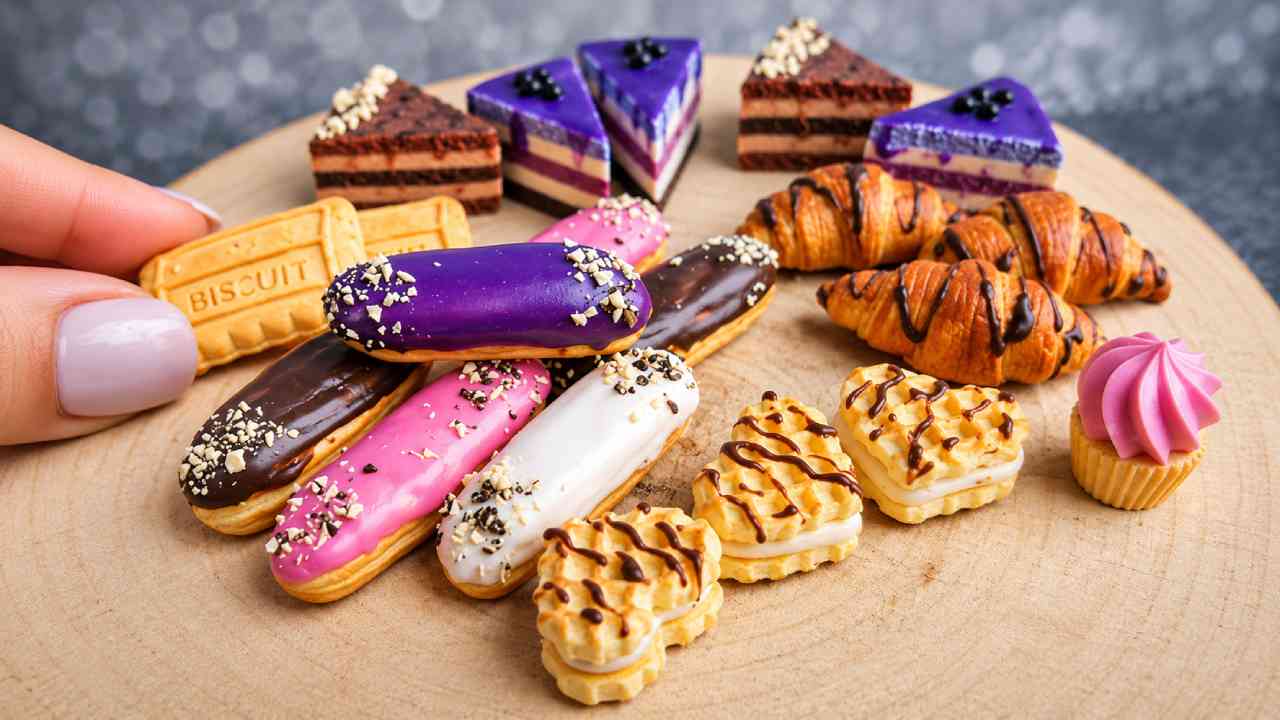
Mayumiotero – Miniature Food Clay Art transforms simple clay into tiny food sculptures that look surprisingly realistic. From colorful macarons to golden croissants, these handmade creations capture the beauty of everyday meals. Moreover, each miniature reveals the artist’s creativity and attention to detail. A tiny strawberry cake might feature delicate cream layers and carefully shaped fruit. Meanwhile, miniature burgers can display individual lettuce leaves, cheese slices, and textured bread. Although these creations resemble real food, they serve decorative purposes rather than consumption. This creative hobby combines sculpting, painting, and imaginative design. As a result, artists can explore countless possibilities without expensive equipment. Beginners often start with simple shapes before attempting more detailed projects. Beyond its visual appeal, miniature food crafting encourages patience and careful observation. Every small creation offers an opportunity to turn ordinary materials into something extraordinary.
Why Miniature Food Art Captures Creative Imaginations
Miniature Food Art attracts craft enthusiasts because it makes familiar objects feel entirely new. A realistic doughnut becomes fascinating when it fits comfortably on a fingertip. Similarly, a tiny bowl of ramen can showcase remarkable detail despite its small size. This contrast between appearance and scale creates a playful visual experience. Furthermore, miniature crafting allows artists to experiment with colors, textures, and imaginative food combinations. Unlike traditional cooking, these creations remain decorative and do not require edible ingredients. Therefore, artists can focus entirely on visual storytelling. Some recreate favorite desserts, while others design miniature bakery collections. The process also encourages mindfulness because each detail requires concentration. Meanwhile, finished pieces can decorate shelves, dollhouses, or handmade accessories. For creative lifestyle enthusiasts, miniature crafting offers a satisfying balance between artistic expression and practical skills.
Choosing the Right Clay for Realistic Miniature Food
Selecting suitable materials is an important step in miniature food crafting. Polymer clay remains a popular option because it supports detailed shapes and fine textures. It becomes firm after curing according to the manufacturer’s instructions. However, different brands require specific temperatures and curing times. Therefore, artists should always follow product guidance. Air-dry clay offers another accessible option, especially for beginners. This material hardens naturally without requiring an oven. Nevertheless, some air-dry formulas may shrink or become fragile as they dry. Lightweight clay can also work well for miniature bread and soft-looking desserts. In addition, acrylic paints and soft pastels help create realistic colors. Small sculpting tools provide better control over delicate details. Ultimately, the best material depends on the desired texture, project size, and intended use. Testing small samples can prevent unnecessary mistakes.
Read Also: Microsoft 365 Outage Disrupts Indonesian Workers as Excel and Word Files Become Difficult to Save
Essential Tools for Creating Tiny Handmade Food Sculptures
Creating realistic miniature food does not require a professional art studio. Instead, a few basic tools can support impressive results. A smooth work surface provides space for shaping and assembling clay. Meanwhile, sculpting needles help create tiny lines and decorative details. Small blades allow artists to cut clean shapes and realistic food portions. Additionally, dotting tools can form fruit textures, pastry patterns, and miniature toppings. Soft brushes help apply subtle colors to bread and baked goods. Tweezers are useful when handling extremely small decorations. For consistent results, a ruler or simple measuring guide can help maintain scale. However, tools used for clay should remain separate from food preparation equipment. Artists should also follow safety instructions for paints, coatings, and curing materials. With proper organization, even a small crafting space can support detailed miniature projects.
How to Make Miniature Food Clay Art at Home
Making miniature food becomes easier when beginners follow a simple process. First, choose a familiar food with a recognizable shape. A small doughnut, for example, provides an excellent starting point. Next, select clay colors that resemble the original dessert. Shape a small ball and gently flatten it into a rounded form. Then, create a central opening using a suitable sculpting tool. Afterward, add a thin layer of contrasting clay to represent icing. Tiny clay pieces can imitate colorful sprinkles. For additional realism, apply subtle shading around the edges. However, avoid adding too many decorations during the first attempt. Once the design is complete, cure or dry the clay according to its instructions. Finally, inspect the finished piece for rough edges or loose details. This straightforward project helps beginners practice shaping, proportion, and color coordination.
Creating Realistic Textures in Miniature Clay Desserts
Texture plays an essential role in making miniature desserts appear convincing. Without realistic surfaces, even carefully shaped pieces may look artificial. For example, a miniature croissant needs gentle folds and uneven layers. Meanwhile, a tiny cookie benefits from small cracks and subtle surface variations. Artists can create these effects using brushes, needles, and textured materials. However, every technique should match the chosen clay. Soft pastels can also add warm brown tones to miniature bread. Similarly, carefully blended colors help recreate baked edges and golden crusts. For fruit decorations, tiny indentations can imitate natural seeds and skin patterns. Nevertheless, excessive detail may overwhelm a small design. Therefore, observing real food photographs can improve accuracy. The most convincing miniature sculptures often combine simple shapes with carefully selected textures.
Popular Miniature Food Designs for Creative Beginners
Beginners can explore many miniature food designs without mastering advanced sculpting techniques. Tiny cookies remain a practical choice because their shapes are simple. Moreover, miniature doughnuts offer opportunities to experiment with colorful icing. Small strawberries introduce basic fruit sculpting and surface detailing. Meanwhile, miniature cupcakes allow artists to practice layering and decorative toppings. For those interested in savory foods, tiny pizzas provide another enjoyable project. A miniature pizza can include cheese, tomato sauce, and carefully shaped toppings. However, complex designs should be approached gradually. Starting with one food item helps build confidence before creating complete collections. Artists can eventually combine several pieces into miniature bakery displays. These small projects also make thoughtful handmade gifts when securely assembled. Each design encourages experimentation while strengthening essential crafting skills.
Turning Miniature Food Creations Into Stylish Accessories
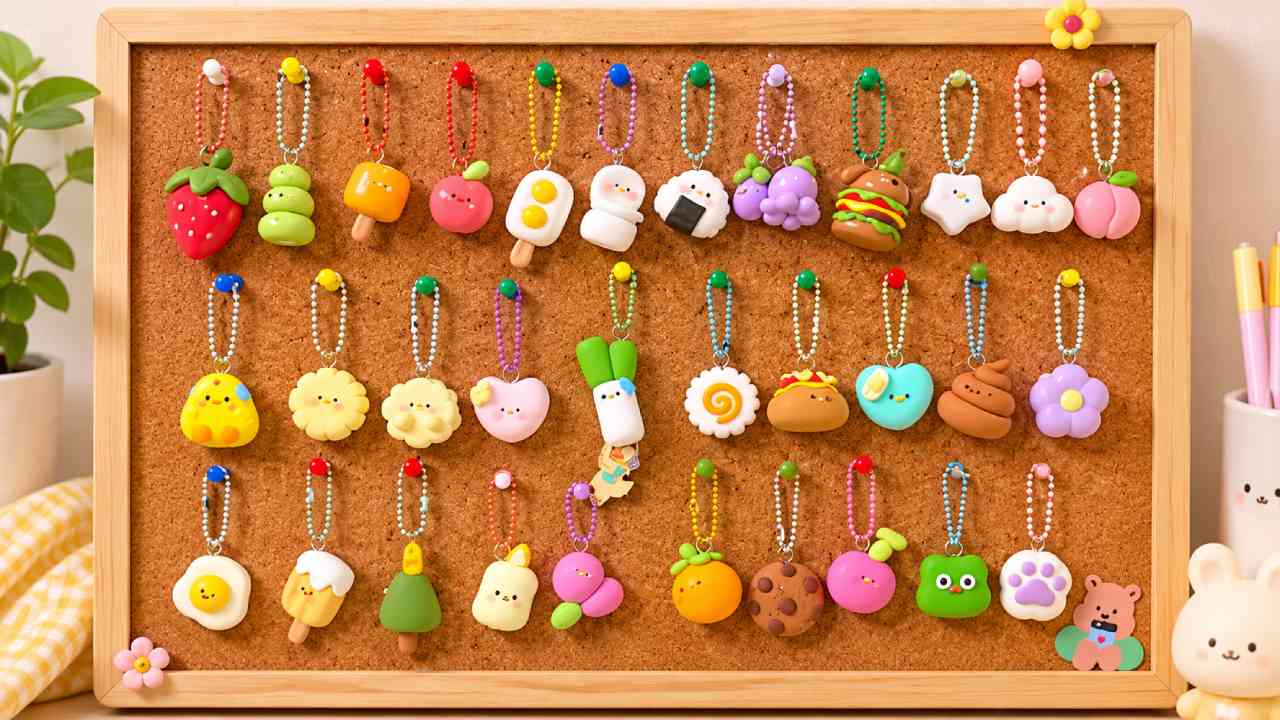
Miniature food sculptures can become more than decorative display pieces. With suitable materials, artists can transform them into creative accessories. Tiny croissants, for example, can become charming keychain decorations. Meanwhile, miniature strawberries may work as playful earring designs. Small dessert charms can also decorate bags, phone straps, and handmade jewelry. However, durability matters when creating items intended for regular use. Secure attachments help prevent miniature pieces from separating. Additionally, artists should choose coatings compatible with their clay materials. Decorative varnish can enhance selected surfaces, although not every project requires a glossy finish. For accessories, lightweight designs often provide better comfort. Furthermore, small parts can present choking hazards for young children. Therefore, makers should consider the intended user’s age and product safety. Thoughtful construction helps turn delicate sculptures into practical handmade accessories.
How Color and Scale Improve Miniature Food Designs
Color and scale strongly influence the realism of miniature food sculptures. Even a beautifully shaped dessert can appear unusual when its proportions feel incorrect. Therefore, artists should decide on a consistent scale before starting. Dollhouse miniatures commonly use a 1:12 scale, although other sizes are possible. At this scale, a real cake measuring 12 centimeters becomes approximately one centimeter wide. This simple comparison helps artists maintain realistic proportions. Meanwhile, careful color selection makes miniature food more recognizable. Warm browns suit baked pastries, while soft pinks complement strawberry desserts. However, overly bright colors can make realistic designs appear cartoonish. Subtle shading often creates a more natural appearance. In addition, consistent sizing allows several miniature items to form a cohesive collection. These design principles help small sculptures feel believable and visually balanced.
Miniature Food Clay Art as a Relaxing Creative Hobby
Miniature Food Clay Art offers an enjoyable way to explore creativity during free time. Unlike projects that require large workspaces, miniature crafting can fit into a compact home setup. Moreover, many designs can be completed in manageable stages. Artists may spend one session shaping clay and another adding decorative details. This flexible approach makes the hobby suitable for different schedules. The repetitive movements involved in sculpting may also feel calming for some people. However, detailed projects still require patience and concentration. Beginners should avoid comparing their first creations with professional miniature artwork. Instead, gradual improvement provides a more rewarding experience. Keeping photographs of completed projects can help track progress over time. Additionally, sharing techniques with other craft enthusiasts encourages new ideas. The hobby combines creative exploration with practical artistic development.
Exploring Creative Miniature Food Collections and Displays
A single miniature dessert can look charming, but themed collections create richer visual stories. For example, artists can design a tiny French bakery filled with croissants and colorful macarons. Alternatively, a miniature Japanese café might feature matcha cakes and carefully arranged pastries. These collections allow creators to experiment with cultural food styles and presentation. Moreover, small plates, trays, and display shelves can enhance the finished artwork. However, accessories should match the scale of the miniature food. Oversized decorations can weaken the realistic effect. Natural lighting also improves the appearance of completed displays. Meanwhile, simple backgrounds help viewers focus on delicate textures and details. Artists can photograph their collections for portfolios, craft blogs, or creative lifestyle content. Each themed display offers another opportunity to combine craftsmanship, imagination, and visual storytelling.