Mayumiotero – Smart Contact Lenses are opening new possibilities in wearable technology. Imagine receiving digital information without looking at a smartphone or wearing bulky glasses. This futuristic idea has attracted researchers and technology developers for years. Unlike ordinary contact lenses, smart versions may contain tiny sensors, electronic circuits, or specialized optical components. These features could support medical monitoring or new visual experiences. Moreover, researchers are exploring ways to place useful technology directly on the eye. However, advanced smart lenses remain challenging to develop. Most concepts involving digital displays are still experimental. They are not widely available as everyday consumer products. Nevertheless, progress in miniature electronics continues to make this field interesting. As technology becomes smaller, developers can explore designs that once seemed impossible. Smart Contact Lenses therefore represent an ambitious direction for future visual innovation.
How Smart Contact Lenses Work Inside a Tiny Device
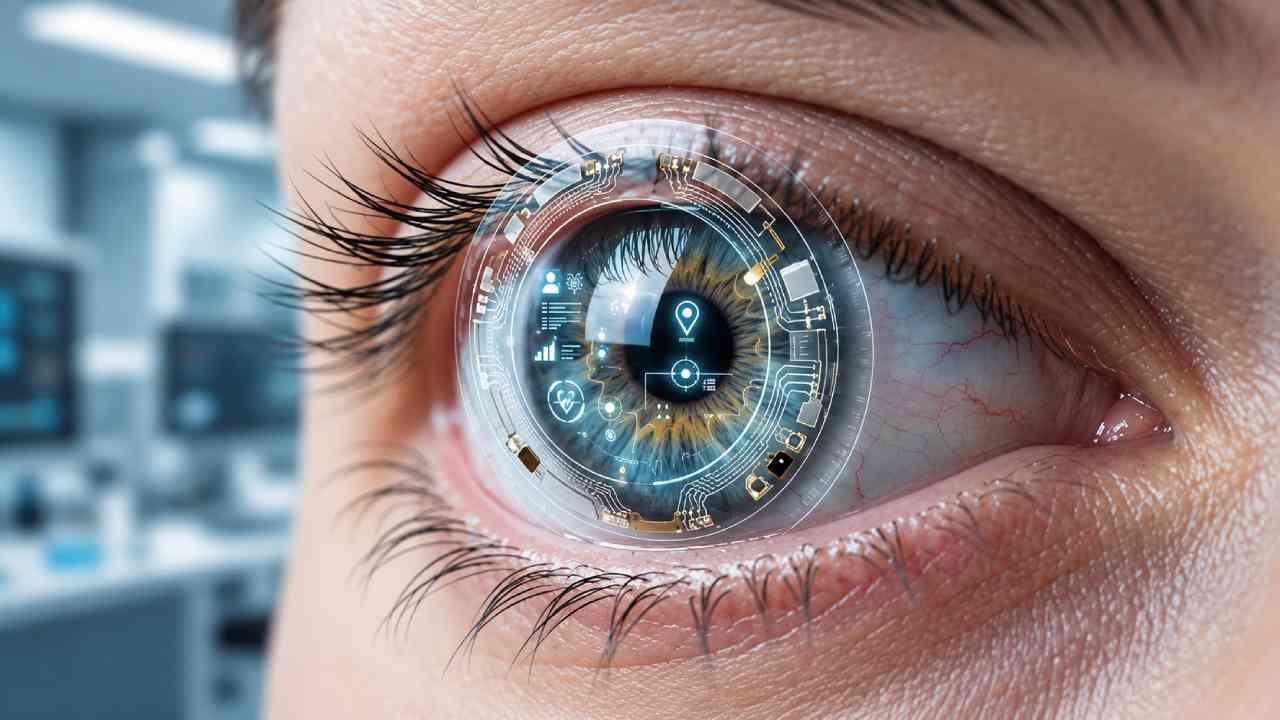
The technology behind Smart Contact Lenses combines several engineering disciplines. Depending on their purpose, these lenses may contain miniature sensors, antennas, or electronic components. Some designs collect information about conditions affecting the eye. Others explore ways to display simple digital images. For example, an experimental lens might use a tiny display and optical elements to direct light toward the user’s eye. Meanwhile, wireless communication could connect certain designs to external equipment. However, placing electronics inside a contact lens creates serious technical challenges. Every component must fit within a thin and flexible structure. In addition, the lens must remain safe for the delicate surface of the eye. Researchers also need to consider moisture, oxygen transmission, and electrical safety. Consequently, building a working prototype requires more than reducing the size of existing devices.
Augmented Reality Could Transform Everyday Visual Experiences
Augmented reality is one of the most fascinating possibilities for Smart Contact Lenses. This technology adds digital information to a person’s view of the physical world. Today, many AR experiences depend on smartphones or specialized glasses. However, researchers have explored whether contact lenses could eventually offer a different approach. Imagine walking through an unfamiliar city while viewing navigation information directly in your field of vision. Similarly, future systems might display simple notifications or contextual information. These examples remain potential applications rather than established consumer features. In practice, creating stable images on a moving eye is extremely difficult. Developers must address brightness, focus, image positioning, and power consumption. Furthermore, visual information must remain comfortable and avoid obstructing important surroundings. Therefore, practical AR contact lenses require major advances in both hardware and human-centered design.
Read Also: Rising Memory Costs Push Smartphone Manufacturers Toward New Solutions
Mojo Vision Demonstrated an Important Step Toward Digital Lenses
One notable development came from Mojo Vision, a company that explored augmented reality contact lenses. Its experimental Mojo Lens combined miniature display technology with specialized electronic components. In 2022, the company announced a demonstration involving a prototype worn on the eye. This achievement attracted attention because of the device’s extremely small components. However, the demonstration did not mean the product was ready for public release. Developing a safe commercial lens requires extensive testing and reliable manufacturing. In 2023, Mojo Vision shifted its focus toward MicroLED display technology. As a result, its earlier contact lens project did not become a widely available consumer device. Nevertheless, the work demonstrated valuable progress in miniaturized visual systems. It also highlighted the considerable distance between an impressive laboratory demonstration and a practical product.
Medical Research Gives Smart Contact Lenses Another Important Purpose
Smart Contact Lenses are not limited to augmented reality concepts. Researchers are also investigating their potential role in eye care and medical monitoring. For instance, specialized contact lens sensors can measure changes related to eye pressure. Such information may help clinicians study pressure patterns associated with glaucoma. Meanwhile, other experimental designs explore chemical markers found in tears. These projects aim to understand whether contact lenses could provide useful health information. However, tear measurements cannot automatically replace established medical tests. Each proposed application needs careful validation and clinical evaluation. Moreover, patients require devices that remain comfortable during normal activities. Medical accuracy, safety, and data reliability are especially important. Therefore, health-focused smart lenses may follow a different development path from entertainment or AR products. Their success depends on demonstrated clinical benefits rather than futuristic appearance alone.
Miniature Displays and Wireless Power Present Major Challenges
Building Smart Contact Lenses requires solving problems that ordinary wearable devices rarely face. A smartwatch can accommodate a battery, processor, and protective casing. In contrast, a contact lens has very limited space. Its components must also remain lightweight and flexible. One major challenge involves delivering enough power for electronic functions. Wireless energy transfer is being explored for certain experimental designs. However, efficiency and safety remain important considerations. Another challenge involves creating a display that works within the eye’s optical system. Even a tiny image must appear clear and properly positioned. Meanwhile, the lens must allow sufficient oxygen to reach the cornea. Excess heat or unsuitable materials could create additional risks. Consequently, progress depends on advances in materials science, microelectronics, and optical engineering working together.
Smart Contact Lenses and AR Glasses Offer Different Advantages
Smart Contact Lenses and augmented reality glasses share some ambitious goals. Both technologies explore ways to bring digital information closer to everyday vision. However, their designs create different advantages and limitations. AR glasses can accommodate larger batteries, processors, and display components. Several commercial products already demonstrate practical applications in this category. Contact lenses, meanwhile, could offer a less visible form factor. Yet their small size creates significant engineering and safety challenges. In addition, contact lenses interact directly with the eye’s surface. This makes comfort, hygiene, and medical suitability especially important. AR glasses avoid direct contact with the cornea, although they introduce their own ergonomic concerns. Therefore, neither approach automatically replaces the other. Different users may prefer different devices depending on their needs, working environments, and comfort requirements.
Privacy and Eye Safety Will Shape Future Adoption
The future of Smart Contact Lenses depends on more than impressive visual features. Safety and privacy will influence whether people trust these devices. Contact lenses already require appropriate handling because improper use can increase eye infection risks. Adding electronic components introduces further design requirements. Manufacturers must demonstrate that materials and operating conditions are suitable for prolonged eye contact. Moreover, connected devices may collect sensitive information about users or their surroundings. Eye movement data, for example, can reveal patterns of attention and behavior. Therefore, developers need clear privacy protections and responsible data practices. Users should understand what information a device collects and how it is processed. Regulatory approval may also be necessary, depending on the product’s intended use. Ultimately, trustworthy design will matter as much as technological performance.
Future Research Could Bring Smart Contact Lenses Closer to Reality
The next stage of Smart Contact Lenses will likely depend on gradual improvements rather than sudden breakthroughs. Researchers continue to investigate smaller sensors, flexible electronics, and advanced optical materials. Meanwhile, developments in MicroLED technology could support future miniature display systems. Better wireless communication may also help connect experimental lenses with external devices. However, commercial success remains uncertain. Manufacturers must balance performance, comfort, production costs, and safety requirements. Furthermore, consumers need clear reasons to choose contact lenses over existing wearables. Medical monitoring could offer one valuable direction, while visual computing presents another. In my view, the most meaningful progress will come from solving practical problems rather than simply adding more features. Smart Contact Lenses remain an exciting research field because they challenge the boundaries between human vision and digital technology.