Mayumiotero – Rug Tufting transforms ordinary yarn into colorful carpets filled with personality and artistic expression. This creative craft allows people to design unique pieces for their homes. Unlike mass-produced carpets, handmade rugs can reflect personal tastes, favorite colors, and imaginative patterns. Moreover, the process combines textile skills with modern design techniques. Artists use special tools to push yarn through stretched fabric, creating soft and textured surfaces. As a result, simple materials gradually become decorative pieces with distinctive shapes. Some makers prefer floral patterns, while others explore abstract designs or playful illustrations. Beyond decoration, tufting offers an engaging way to develop practical crafting skills. However, beginners need patience, suitable equipment, and careful attention to safety. From cozy bedrooms to creative studios, handmade rugs can bring warmth and individuality into different spaces. Their appeal lies in the connection between personal creativity and functional home decoration.
Rug Tufting Introduces a Creative Approach to Handmade Carpets
Rug Tufting is a textile technique that creates raised surfaces by inserting yarn into a fabric foundation. Instead of weaving threads across a traditional loom, makers follow patterns on tightly stretched cloth. A tufting gun or manual tool helps place the yarn into the material. Consequently, the surface develops a soft texture as the design takes shape. This method supports many decorative styles, including geometric patterns and colorful illustrations. Furthermore, artists can experiment with different yarn types to achieve varied textures. Some designs feature smooth surfaces, while others use contrasting pile heights. The process requires coordination because the fabric must remain secure throughout the project. Beginners often start with simple shapes before attempting detailed artwork. Over time, regular practice can improve accuracy and confidence. What begins as a basic textile experiment can eventually become a personalized carpet that reflects the maker’s creative vision.
Colorful Yarn Brings Artistic Rug Designs to Life
Color plays an important role in creating attractive handmade rugs. A carefully selected palette can transform a simple pattern into an eye-catching decoration. For example, pastel shades create a gentle appearance that suits cozy bedrooms. Meanwhile, bold colors can introduce energy into modern living spaces. Artists often combine several shades to emphasize shapes and visual contrast. However, choosing too many colors may make small designs appear crowded. Therefore, beginners can benefit from planning a limited palette before starting. Yarn texture also influences the final appearance. Wool offers natural resilience, while acrylic provides another option for decorative projects. Each material has different characteristics, including durability, softness, and maintenance needs. Moreover, consistent yarn thickness helps create an even surface. Testing a small section can reveal how colors and fibers work together. Through thoughtful choices, makers can create carpets that feel both personal and visually balanced.
Read Also: Anthropic Unveils Claude Sheets to Challenge Excel and Google Sheets
Essential Tufting Tools Support Better Handmade Results
Creating a handmade rug requires several basic tools and materials. First, makers need a sturdy frame that keeps the foundation cloth tightly stretched. A suitable tufting cloth provides the structure needed to hold the yarn. Next, a tufting gun or manual tool inserts yarn along the design. Different tools produce different pile styles, so equipment selection matters. Furthermore, fabric markers help transfer patterns onto the working surface. Once tufting is complete, appropriate adhesive secures the yarn from behind. A backing layer can then improve the finished rug’s appearance and stability. Trimming scissors or specialized tools help refine the surface. However, equipment safety deserves careful attention. Electric tufting guns contain moving parts that can cause injuries. Adhesives may also require ventilation and protective equipment. Therefore, beginners should follow manufacturer instructions and consider supervised workshops. Reliable tools and safe working habits support a more enjoyable crafting experience.
Simple Patterns Help Beginners Learn Rug Tufting Skills
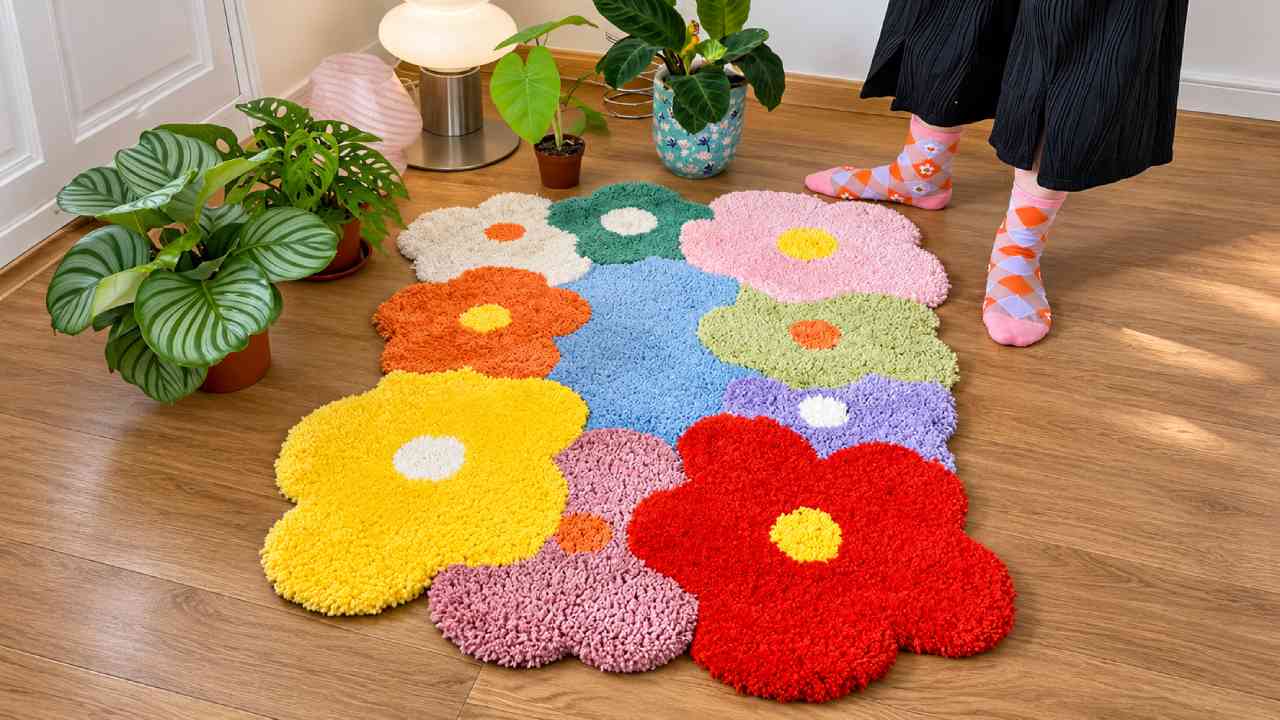
Starting with a simple design makes the learning process more manageable. Large flowers, hearts, and geometric shapes provide clear outlines for early projects. These patterns allow beginners to practice movement without handling complicated details. First, the maker draws or transfers a design onto stretched tufting cloth. Next, yarn is inserted along the outlines before filling larger sections. Maintaining steady movement helps create consistent lines and reduce uneven areas. However, the correct technique depends on the chosen tufting tool. Therefore, beginners should practice on spare fabric before working on their main design. Small mistakes are common, especially when learning to control speed and direction. Fortunately, careful adjustments can improve the result as experience grows. After completing the design, the rug requires backing and finishing work. Each stage teaches useful skills. Gradually, simple projects can prepare makers for more detailed and ambitious carpet designs.
Handmade Tufted Carpets Add Personality to Modern Interiors
Handmade tufted carpets can change the atmosphere of a room through color, shape, and texture. Unlike standard rectangular rugs, custom designs can follow playful outlines and unusual patterns. For instance, a flower-shaped carpet may soften the appearance of a bedroom. Meanwhile, an abstract rug can create a focal point in a minimalist living room. Designers can also coordinate colors with cushions, curtains, or wall decorations. As a result, the carpet becomes part of a thoughtful interior arrangement. However, appearance should not be the only consideration. Rugs intended for floors need suitable backing and construction for regular use. An appropriate non-slip solution may also improve stability on smooth surfaces. Decorative wall pieces have different requirements because they receive less physical wear. Therefore, understanding the intended purpose helps guide material choices. Well-planned handmade rugs combine creative expression with practical considerations for everyday spaces.
Careful Finishing Gives Handmade Rugs a Professional Appearance
Finishing plays an important role in the quality of a tufted carpet. After the yarn fills the design, makers secure the reverse side with suitable adhesive. The product must then dry or cure according to its instructions. Next, the carpet is removed from the frame and trimmed into its intended shape. A backing material helps cover the reverse surface and supports the finished structure. Meanwhile, surface trimming can improve the appearance of uneven yarn. Some artists also carve gentle divisions between colors to create clearer outlines. However, excessive trimming may damage the design or shorten the pile unnecessarily. Therefore, careful movements and suitable tools are essential. The edges also deserve attention because loose sections can affect durability. Once finishing is complete, makers should inspect the rug before using it. These details may seem small, yet they influence the final appearance and overall quality.
Rug Tufting Encourages Personal Expression Through Textile Art
Rug Tufting offers more than a way to create decorative carpets. It also provides an opportunity to explore personal interests through textile art. Some makers recreate simple botanical shapes, while others develop original abstract patterns. Moreover, each project introduces decisions about color, composition, and texture. These choices encourage experimentation and help build creative confidence. The process can also feel rewarding because progress becomes visible as yarn fills the design. However, tufting requires concentration and careful tool handling. Working at a comfortable pace can make the experience more enjoyable. For beginners, a short workshop may provide useful guidance before purchasing equipment. Group sessions can also introduce different techniques and design ideas. Meanwhile, experienced makers may explore larger projects or more detailed compositions. Regardless of skill level, the creative process offers room for improvement. Every finished rug represents a combination of planning, practice, and individual imagination.
Custom Rug Tufting Opens Opportunities for Creative Small Businesses
Custom handmade rugs can appeal to customers seeking personalized home accessories. Buyers may request specific colors, shapes, or designs that match their interiors. Consequently, skilled makers can explore opportunities beyond personal crafting projects. Small businesses might offer decorative rugs, wall hangings, or custom textile pieces. However, successful production requires more than attractive designs. Material costs, working hours, equipment maintenance, and finishing quality all affect pricing. Furthermore, sellers need clear product descriptions that explain size, materials, and recommended use. A decorative wall rug should not automatically be marketed for heavy floor traffic. Original artwork also helps businesses develop a recognizable identity while avoiding copyright concerns. Meanwhile, photographs can show customers the texture and craftsmanship of each piece. Building consistent quality takes time and practice. For creative entrepreneurs, rug tufting offers a practical way to connect artistic interests with handmade products and thoughtful customer experiences.