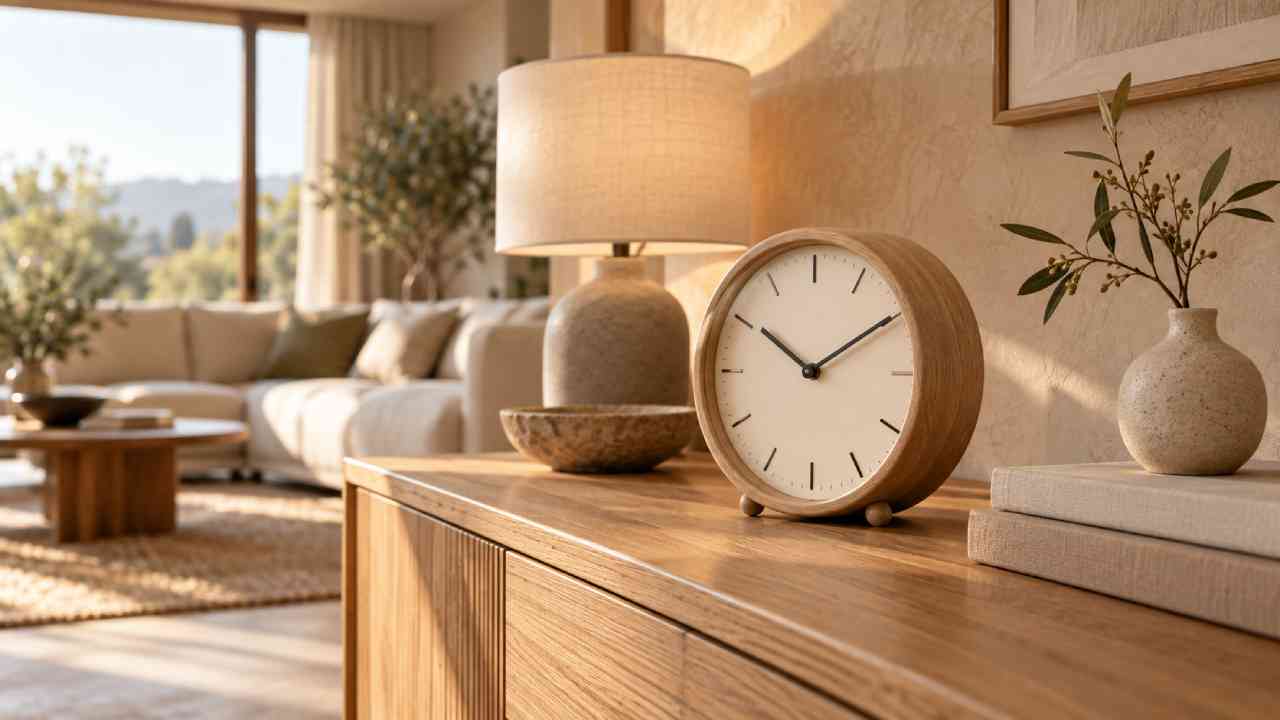
Mayumiotero – Imagine a quiet morning, with sunlight reaching a side table beside your favorite chair. A small clock sits next to a book, giving the corner a familiar rhythm. Modern clock designs can bring this sense of purpose to an interior without requiring a major change. They combine a practical function with an opportunity to introduce shape, texture, and personality. However, their decorative value depends on how comfortably they fit into everyday life. A beautiful face should remain readable, while the controls should feel easy to use. Likewise, the size should suit the surface rather than compete with everything around it. When these details work together, a table clock becomes part of the room’s routine. It adds character through a useful object that earns its place every day.
Read Also: Microsoft Unveils New Surface Laptops With Snapdragon X2 Plus Chips
Simple Shapes Give the Room a Clear Visual Direction
Before considering colors or finishes, look closely at the clock’s overall shape. A round model can soften a setting filled with rectangular shelves and straight furniture edges. Meanwhile, a square clock can reinforce the orderly lines of a contemporary room. Arched designs offer another approach, combining a stable base with a gently curved outline. The surrounding objects help determine which option feels most natural. For example, a curved clock beside stacked books creates variation without making the arrangement feel busy. However, several unusual shapes placed together may compete for attention. Give a distinctive clock enough visual space so its form remains easy to appreciate. Also, examine it from the side, especially if it will sit on an open console. A thoughtful silhouette should feel coherent from the angles you regularly see.
Materials Add Warmth, Texture, and Visual Contrast
Once you establish the shape, the material gives the clock a more specific personality. Light wood can make a neutral interior feel warmer, especially beside linen or woven accessories. Brushed metal introduces a crisp surface that works well with clean furniture lines. Meanwhile, ceramic offers a softer appearance, with subtle variations that can make a simple form feel expressive. These materials do not need to match every other object in the room. Instead, consider how they interact with the surfaces already present. A wooden clock on a glass table, for instance, creates contrast between warmth and transparency. Likewise, a matte ceramic clock can soften a glossy cabinet. Pay attention to the finish as well as the material. Smooth edges, consistent joints, and accessible surfaces influence how the object looks and feels during regular use.
Analog Clock Designs Turn the Dial into a Decorative Feature
Analog clock designs create interest through the relationship between hands, markers, and empty space. A well-composed dial can feel decorative even when it uses very few elements. However, simplicity should still support clear timekeeping. Hands need enough contrast against the background, while hour markers should remain visible from your usual viewing position. A pale dial with dark hands provides an uncomplicated starting point. Alternatively, subtle metallic details can introduce a refined accent, provided reflections do not obscure the time. Think about the movement as well. Some analog clocks produce a noticeable tick, which may become distracting beside a bed. If quiet operation matters, check the product description and listen to the clock when possible. This detail deserves attention because a pleasing appearance cannot compensate for a sound that interrupts your preferred atmosphere.
Digital Clocks Combine a Clean Look with Everyday Convenience
Digital table clocks suit spaces where quick reading and convenient features take priority. Their illuminated numbers can be easy to identify, particularly when you glance across a desk or bedroom. Nevertheless, the display needs to feel comfortable within the room’s lighting. Adjustable brightness helps prevent a bedside clock from becoming an unwanted light source at night. Also, consider the amount of information on the screen. Time, temperature, and calendar details can be useful, but too many elements may weaken the visual clarity. Controls deserve similar attention. Setting an alarm or changing the brightness should require straightforward actions. Before choosing a design, look at the power connection and cable placement. A clock with a discreet exterior may still create clutter if its cord crosses the tabletop. Planning these details helps the technology sit comfortably within the decor.
A Considered Color Palette Connects the Clock to Its Surroundings
Color helps a table clock feel connected to the room rather than added as an afterthought. Soft white, charcoal, and warm gray offer a restrained starting point for many contemporary interiors. Meanwhile, deeper shades can create a deliberate accent on a pale surface. Consider a navy clock beside cream books or a terracotta model near natural wood. Both combinations introduce contrast while keeping the arrangement easy to understand. However, a bold color usually feels more cohesive when it appears elsewhere in the room. A cushion, artwork detail, or small vase can provide that connection. Avoid assuming that every accessory needs an identical shade. Related tones often create a more relaxed effect. Finally, view the color under the lighting where the clock will sit, since warm lamps and daylight can change its appearance.
The Right Proportions Keep Small Surfaces Comfortable to Use
A table clock needs enough presence to remain visible without taking over its surroundings. This balance becomes especially important on compact bedside tables and narrow desks. Before choosing a model, measure the available surface and consider its daily responsibilities. You may need space for a lamp, charging phone, reading glasses, or a glass of water. Consequently, the clock’s depth matters just as much as its height. A slim design can leave more usable space even when its face is relatively large. Conversely, a small dial on a bulky base may occupy more room than expected. In my view, proportion often contributes more to a successful arrangement than decorative complexity. A simple clock in the right size can look composed and practical. The same design in an unsuitable size may make the entire surface feel crowded.
Thoughtful Placement Improves Both Readability and Appearance
After selecting the proportions, test the clock in the position where you expect to use it. On a desk, place it where a quick glance feels natural during work. Beside a bed, check whether you can read the time while resting against the pillow. Meanwhile, a living room clock should remain visible from the seating area rather than only from the doorway. Lighting can influence each location. Reflective glass may catch a window or lamp, making the hands or numbers harder to see. Therefore, try adjusting the angle before changing the entire arrangement. Keep the clock accessible if you regularly use its alarm or buttons. Also, check that nearby objects do not hide the display. A useful placement supports your routine while giving the clock a clear place within the visual composition.
Read Also: Art Districts Bring New Energy to Creative City Life
Different Interior Styles Give Clock Designs Different Expressions
Clock designs can reflect an interior style through a few carefully chosen details. In a Japandi setting, pale wood, gentle curves, and an uncluttered face can reinforce a calm atmosphere. Meanwhile, an industrial room may accommodate darker metal, defined edges, and visible structural details. Scandinavian spaces often work comfortably with light finishes and clear, uncomplicated forms. However, these descriptions should serve as starting points rather than rigid rules. Look at the actual furniture, colors, and textures in your room before choosing. A traditional wooden clock can bring warmth to a modern shelf, while a clean digital display can sit naturally in a layered bedroom. The connection comes from proportion and thoughtful repetition. Choosing one shared detail, such as a finish or color, often creates a stronger relationship than matching every object to the same style.
Practical Details Help a Beautiful Clock Remain Useful
An attractive clock should continue to feel convenient after the initial excitement of decorating passes. Start by checking how it receives power and how easily you can replace the batteries. If it uses a cable, make sure the nearby outlet supports a tidy arrangement. Next, examine the controls, especially if you plan to use an alarm regularly. Small buttons hidden beneath the base may become frustrating during daily adjustments. Stability matters too, particularly on a busy desk or bedside surface. The clock should stand securely without depending on nearby objects for support. Additionally, consider cleaning access and whether decorative grooves will collect dust. These details rarely dominate a product photograph, yet they influence the experience of living with the object. A well-resolved design makes routine tasks feel straightforward while preserving its visual appeal.
A Balanced Arrangement Gives the Clock Room to Stand Out
Finally, style the clock with a small group of objects that complement its size and character. A lamp, a book, and a compact tray can create a useful arrangement without filling the entire surface. Vary their heights so the display feels layered, while keeping the clock’s face unobstructed. Meanwhile, leave some empty space around the group to prevent the corner from becoming visually crowded. The aim is to create a setting that feels comfortable during ordinary use. If you constantly move accessories to reach the alarm, simplify the arrangement. Modern table clock designs work best when appearance and function develop together. A readable display, suitable proportions, and thoughtful materials can turn a familiar household object into a personal detail. It becomes something you enjoy seeing and naturally rely on throughout the day.