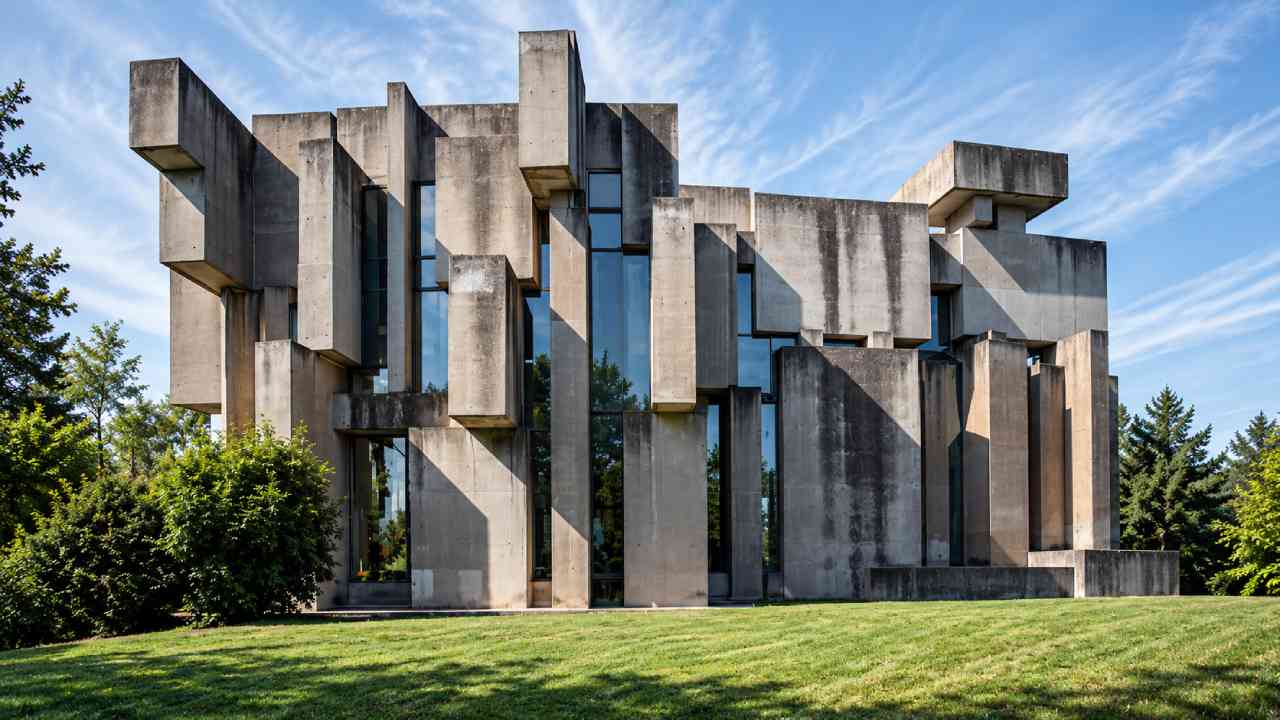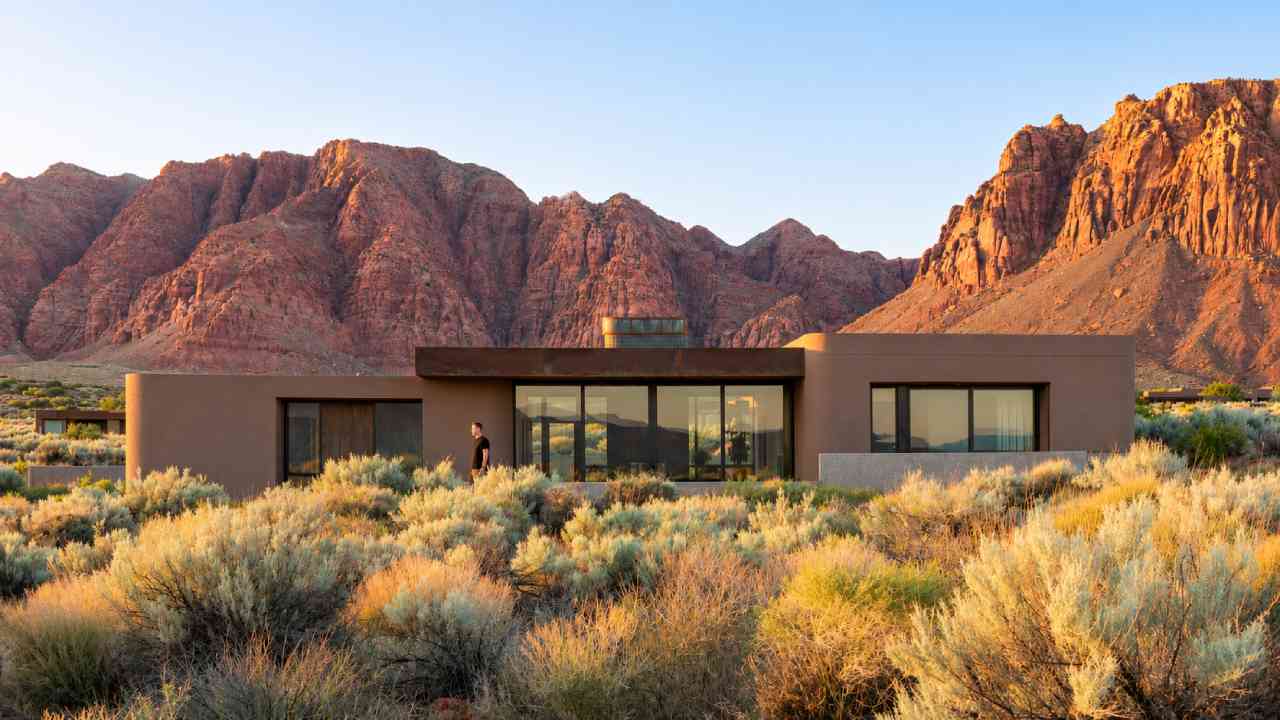
Mayumiotero – Desert House architecture combines modern luxury with the quiet beauty of arid landscapes. This architectural approach celebrates simplicity, natural materials, and thoughtful design. At first glance, a desert home may appear isolated among sand dunes and rocky mountains. However, its surroundings often become the most striking part of the design. Large windows frame distant horizons, while earthy colors connect the building with its environment. Moreover, shaded terraces provide comfortable spaces for enjoying outdoor views. Every architectural detail can support both visual appeal and practical living. As a result, desert homes offer a distinctive interpretation of modern luxury. Rather than relying on excessive decoration, they highlight open spaces, natural textures, and a strong connection with nature.
The Growing Appeal of Modern Desert House Design
Modern desert homes attract attention because they offer a different approach to residential architecture. Instead of crowded urban surroundings, these houses emphasize privacy and open landscapes. Their simple shapes also create a striking contrast with rugged natural scenery. Meanwhile, contemporary materials allow architects to explore creative building forms. A Desert House may feature flat roofs, geometric walls, and carefully positioned windows. However, successful design requires more than an attractive exterior. Architects must also consider intense sunlight, limited rainfall, and changing temperatures. Therefore, the most impressive homes balance beauty with environmental awareness. This thoughtful combination makes desert architecture an inspiring subject for designers and homeowners.
Natural Materials Bring Warmth to Desert House Architecture
Material selection plays an important role in desert architecture. Stone, textured plaster, concrete, and rammed earth can complement the surrounding landscape. These materials often feature warm colors that resemble sand and natural rock. For example, beige walls can blend beautifully with golden desert scenery. Meanwhile, terracotta surfaces introduce deeper tones without overwhelming the design. Wood accents may also soften minimalist interiors when suitable protection is provided. However, material performance depends on local conditions and construction details. Proper insulation, moisture protection, and surface finishes remain essential. Consequently, architects must evaluate both appearance and durability. A carefully selected material palette can make a Desert House feel elegant, comfortable, and closely connected to nature.
Read Also: Google AI Satellite Comes Alive in Orbit, Writes Poetry from Space
Minimalist Interiors Create a Peaceful Desert Living Experience
The interior of a Desert House often reflects the calm atmosphere outside. Open layouts, simple furniture, and neutral colors create a peaceful environment. Instead of filling every corner with decoration, designers allow natural light and texture to shape the space. For instance, a living room may feature a low sofa, a stone table, and warm wooden details. Meanwhile, large windows introduce dramatic views of distant mountains. However, careful shading is necessary to control heat and glare. Soft fabrics and layered lighting can further improve comfort. Additionally, natural materials add visual depth without making the room feel crowded. This balance helps create a relaxing home that feels both modern and welcoming.
Large Windows Connect Desert Homes with Stunning Landscapes
Expansive windows are a recognizable feature of many contemporary desert homes. They frame dramatic views and strengthen the connection between indoor and outdoor spaces. From a living room, residents may enjoy sweeping mountains, rocky valleys, or open desert plains. Moreover, glass doors can connect interior rooms with shaded patios. However, large glass surfaces may increase unwanted heat gain. Therefore, architects often consider window orientation, high-performance glazing, and exterior shading. Deep roof overhangs can also help reduce direct sunlight. When designed carefully, these features support comfort without sacrificing visual appeal. As a result, a Desert House can celebrate its surroundings while maintaining a practical indoor environment.
Sustainable Design Makes Desert House Architecture More Practical
Sustainability is an important consideration in hot and dry environments. Desert homes must respond to intense solar exposure and limited water resources. Therefore, passive design strategies can reduce unnecessary energy demand. Good insulation, controlled ventilation, and effective shading help manage indoor temperatures. Meanwhile, solar panels may provide renewable electricity where conditions and regulations allow. Water-efficient fixtures and drought-tolerant landscaping can also reduce resource consumption. However, sustainability requires a complete approach rather than a few decorative features. Building orientation, construction quality, and local climate all influence performance. Consequently, an environmentally responsible Desert House should combine attractive architecture with measurable efficiency goals.
Outdoor Living Spaces Enhance the Beauty of Desert Homes
Outdoor areas can make desert architecture especially appealing. Shaded courtyards, covered terraces, and sheltered seating areas extend the living space beyond interior walls. These features also provide opportunities to enjoy the landscape during comfortable hours. For example, a courtyard may include natural stone flooring and carefully selected desert plants. Meanwhile, a pergola can create shade over an outdoor dining area. However, outdoor comfort depends on sunlight, wind, and seasonal temperatures. Designers should also consider water consumption before adding decorative pools or fountains. Additionally, thoughtful lighting can highlight architectural textures after sunset. With proper planning, outdoor spaces become an elegant extension of the home.
Desert House Architecture Draws Inspiration from Global Landscapes
Different desert regions inspire distinctive architectural approaches. In Arizona, modern homes often feature clean lines and views of rocky landscapes. Meanwhile, Palm Springs is famous for its connection with mid-century modern architecture. In Morocco, traditional earthen buildings demonstrate the value of thick walls and shaded courtyards. Contemporary projects in the Arabian Peninsula also explore relationships between architecture and desert environments. However, these regions have different climates, building traditions, and environmental challenges. Therefore, designers should avoid applying one universal solution everywhere. Instead, they can study local construction methods and adapt suitable ideas. This approach gives each Desert House a stronger connection to its setting.
Smart Design Solutions Improve Comfort in Extreme Desert Climates
A beautiful desert home must remain comfortable throughout changing weather conditions. Desert environments can experience intense daytime heat and significant temperature differences after sunset. Therefore, building design should respond to local climate data. Proper insulation helps limit unwanted heat transfer, while exterior shading reduces direct solar exposure. Meanwhile, efficient cooling systems can support indoor comfort during extreme temperatures. Some homes may also benefit from thermal mass and carefully planned night ventilation. However, these strategies depend on climate, humidity, and building operation. Architects must evaluate them before construction begins. Ultimately, thoughtful planning helps a Desert House deliver comfort without relying only on mechanical cooling.
The Future of Desert House Architecture Embraces Timeless Design
Desert architecture offers valuable lessons for the future of residential design. Its strongest examples combine visual simplicity with careful environmental planning. Rather than treating nature as a background, architects use the surrounding landscape to guide their decisions. Moreover, advances in building materials and energy systems create new opportunities for efficient homes. Modern design tools can also help evaluate sunlight, shading, and thermal performance. However, technology alone cannot replace an understanding of local conditions. Successful architecture still depends on thoughtful choices and practical construction. As design priorities continue to evolve, the Desert House remains an inspiring example of how modern luxury can coexist with natural beauty.