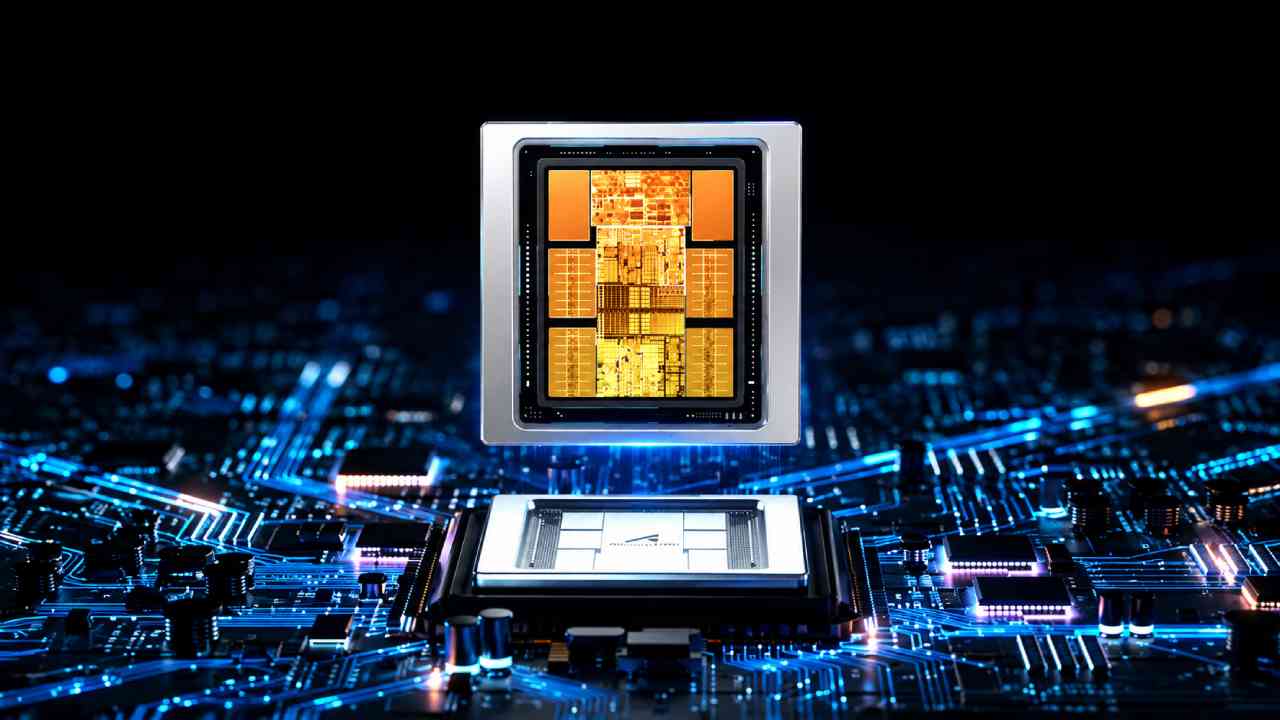
Mayumiotero – Competition in China’s AI chip market is entering an intriguing phase. Huawei claims its Ascend lineup has overtaken Nvidia in domestic market share. However, the company faces a problem that comes with rising demand: it cannot supply enough hardware. This situation reveals two sides of Huawei’s progress. On one hand, the company sees a major opportunity to expand the use of domestic technology. On the other, that opportunity requires stronger production capacity. For customers, a chip’s popularity alone is not enough. They also need hardware available when their projects begin. Consequently, Ascend’s story now extends beyond competition between brands. It also concerns Huawei’s ability to turn market interest into dependable computing resources.
Read Also: What Is Private DNS? Understanding Smartphone Internet Security
The Market Share Claim Needs a Clearer Picture
The claim came from Eric Xu, Huawei’s rotating chairman, during a media session on September 17, 2026. Huawei subsequently published a summary on September 30. Xu acknowledged that reliable information about Nvidia’s market share in China was difficult to collect. Nevertheless, he said Huawei’s own data indicated that Ascend had moved ahead. The summary did not provide a percentage or explain the calculation method. Therefore, readers should treat the statement as a company claim. Market share also differs from a chip’s technical capabilities. Higher sales do not automatically mean better performance across every AI workload. This distinction matters because competition between the two companies cannot be reduced to one product winning in every category.
Supply Confidence Matters to AI Customers
Behind this competition lies a practical need. AI developers require continued access to computing hardware for model training and everyday services. Changes in access to foreign products make domestic alternatives increasingly relevant. In Huawei’s published remarks, Xu emphasized China’s desire to reduce its dependence on overseas technology. He argued that local chips retain value even when they are less advanced than competing products. From a customer’s perspective, that reasoning is understandable. Fast hardware is attractive, but projects also depend on predictable procurement. However, domestic control over supply does not guarantee immediate availability. Huawei still needs to demonstrate that its production network can keep pace with customers’ growing requirements.
Strong Demand Has Outpaced Production Capacity
Supply constraints are the most tangible challenge in this story. Xu said Huawei lacked sufficient capacity to meet demand in China. In other words, attracting market interest has created another major task for the company. AI infrastructure customers are not simply buying a vision of future technology. They need equipment that can support their work today. Consequently, expanding production will help determine how far Ascend can grow. Strong demand signals opportunity, but it does not guarantee that every potential order becomes an actual deployment. From an analytical perspective, Huawei’s challenge is shifting from generating interest to fulfilling customer needs. Its next stage of progress will depend on delivering products consistently.
Huawei Keeps Its Attention on the Domestic Market
These limitations also shape Huawei’s international plans. The company does not intend to pursue a comprehensive overseas expansion in the immediate future. Although it is conducting tests and supplying some countries, those volumes remain limited. Prioritizing domestic customers makes sense when demand at home already exceeds capacity. However, this decision also shows that Huawei’s competition with Nvidia differs across regions. A strong position in China does not automatically translate into a similar global position. For Huawei, improving service to domestic customers could establish a foundation for further growth. Before reaching more markets, the company needs sufficient capacity to support the demand it already faces.
Atlas 950 Expands the Competition Beyond Individual Chips
Huawei is also developing large computing systems. The company says a SuperCluster containing 256,000 computing cards is undergoing deployment and testing. Meanwhile, its Peerium architecture is designed to connect up to one million processors so they work as a single computer. These figures describe its development ambitions. They do not establish that the entire capacity is already operating commercially. This approach shifts attention from individual chip performance to coordination between many devices. However, large systems still require extensive testing. Communication speed, power consumption, stability, and practical workloads all influence their results. Processor count therefore matters, but it remains only one measure of success.
Software Also Shapes Ascend’s Appeal
Beyond production, software remains an important challenge in AI chip competition. The material supplied for this article describes how Liao Heng, HiSilicon’s chief scientist, highlighted developers’ reliance on Nvidia’s ecosystem. Offering new hardware alone does not resolve that dependence. Development teams may also need to adapt code, test results, and confirm that their tools still work. Consequently, ease of use can influence purchasing decisions as much as hardware capabilities. The reasoning is straightforward: switching becomes more attractive when adaptation costs fall. Huawei needs to make Ascend easier to integrate into customers’ workflows. Without a convincing user experience, supply advantages or large systems may not be enough to encourage migration.
Read Also: Modern Table Clock Designs for a Stylish Home Interior
Changes in AI Development Could Create New Opportunities
The supplied material also describes Liao’s view that changing programming approaches could reduce some software barriers. However, that assessment does not mean developers will immediately abandon CUDA or find migration effortless. Different models have different requirements, as do the tools used to run them. Technological change certainly creates room for alternatives. Nevertheless, customers still need testing that reflects their actual workloads. Model training may involve different considerations from everyday AI services. Therefore, Ascend’s opportunities are best assessed through concrete applications. Software support becomes valuable when it helps customers complete their work with greater stability, efficiency, and ease.
Customer Experience Will Shape What Happens Next
Huawei presents an interesting growth story, but its next phase requires broader evidence. Its market share claim signals confidence in Ascend. At the same time, production limits reveal work that remains unfinished. For customers, the central questions are straightforward: is the hardware available, easy to use, and suitable for their needs? Those answers will shape Ascend’s long-term position. From this article’s perspective, Huawei’s success depends on more than challenging Nvidia’s reputation. It also depends on helping customers build AI services without excessive procurement or integration difficulties. That is where technological ambition becomes practical value.