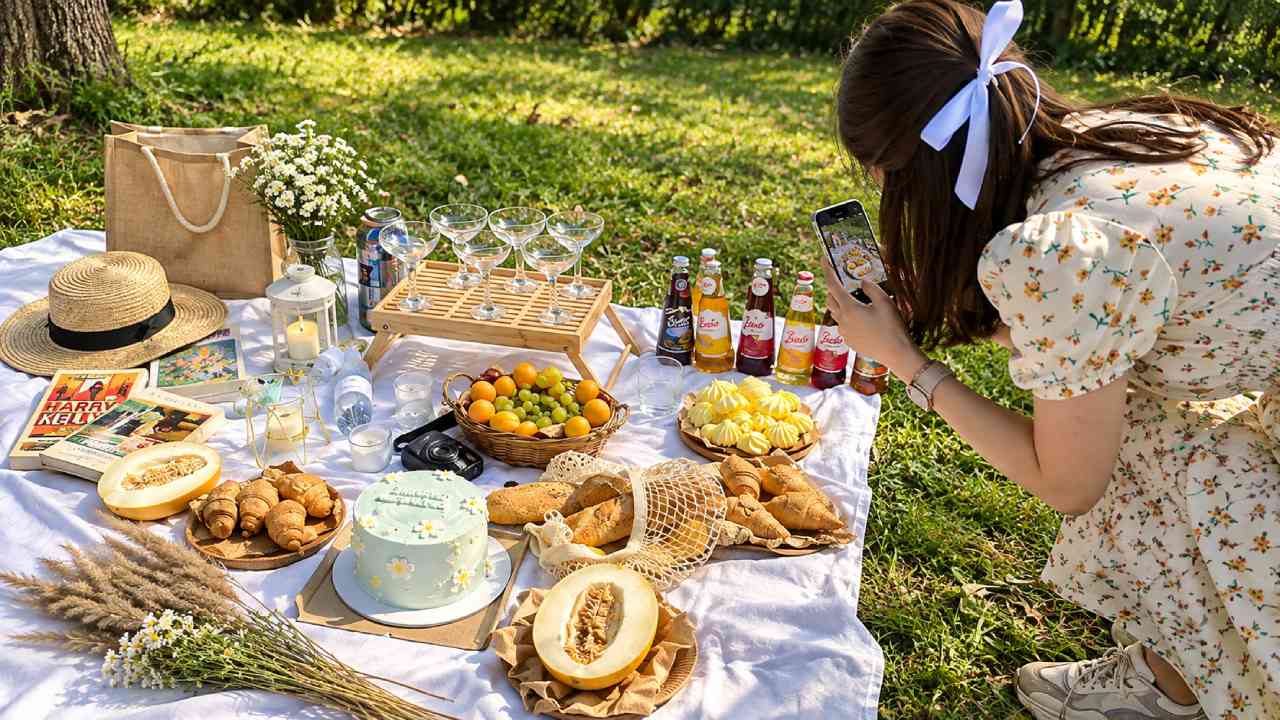
Mayumiotero – Aesthetic Picnics transform a simple meal outdoors into a more thoughtful creative experience. Instead of placing food on any available blanket, people often consider colors, textures, tableware, flowers, and the surrounding landscape. However, the idea does not require an expensive setup. A comfortable blanket, homemade snacks, reusable plates, and a few personal details can already create the right atmosphere. More importantly, the experience combines several lifestyle interests at once. Food styling meets photography, while nature becomes part of the decoration. Friends can gather, couples can slow down, and solo visitors can read or sketch outside. Therefore, the appeal goes beyond producing beautiful photographs. An aesthetic picnic can turn an ordinary afternoon into a memorable ritual. In a lifestyle increasingly shaped by screens and busy schedules, that simplicity can feel surprisingly refreshing.
Read Also: AI-Tuned RTX 5090 Laptop Breaks Power Limit and Delivers Huge Performance Gains
Personal Style Makes Every Picnic Look Different
There is no single formula for Aesthetic Picnics. Instead, personal style determines how the setting develops. A vintage-inspired picnic might include a wicker basket, floral fabric, old books, and classic glassware. Meanwhile, a minimalist version may rely on neutral textiles and simple tableware. Cottagecore settings often feature flowers, homemade pastries, and natural materials. Mediterranean-inspired arrangements can use fresh fruit, bread, olives, and earthy details. As a result, two picnics in the same park can look completely different. This flexibility is important because creative lifestyle trends work best when people can adapt them. Copying every detail from social media may create an attractive setup. However, adding personal objects often produces a more meaningful experience. The goal is not perfection. Instead, the setting should reflect the people enjoying it.
Simple Food Can Become Part of the Visual Story
Food naturally becomes a central feature of Aesthetic Picnics. Fortunately, complicated recipes are rarely necessary. Croissants, sandwiches, berries, grapes, cookies, cheese, salads, and fresh bread are easy to arrange. Drinks can also add visual interest when served in reusable bottles or simple glasses. Nevertheless, appearance should never replace food safety. Perishable foods need suitable cold storage, especially during warm weather. Therefore, insulated containers and ice packs can be more important than decorative accessories. Once practical needs are covered, food can become part of the creative composition. Different shapes, natural colors, and serving boards add texture without making the arrangement feel excessive. In my view, the strongest picnic styling often comes from food people genuinely want to eat. Beautiful presentation works better when it supports the experience rather than becoming its only purpose.
Nature Provides the Most Important Decoration
One reason Aesthetic Picnics can remain affordable is that nature already provides much of the atmosphere. A green park creates a relaxed background, while a beach offers open space and changing coastal light. Likewise, a lakeside location can introduce reflections and peaceful scenery. Even a backyard can work when it offers enough comfort and privacy. Therefore, choosing the location deserves as much attention as selecting decorations. Travelers and local visitors should also check whether picnics are permitted at their chosen destination. Some parks protect sensitive vegetation or restrict certain activities. In addition, weather conditions can quickly change an outdoor plan. Wind, heat, and unexpected rain affect everything from food storage to lightweight decorations. A creative setup should respond to its surroundings rather than compete with them. When the location does most of the visual work, fewer accessories are needed.
Thoughtful Styling Does Not Need an Expensive Budget
Social media can make Aesthetic Picnics appear luxurious. Yet an attractive setup can be created with objects already available at home. A cotton blanket can establish the base. Then, cushions, reusable plates, cloth napkins, books, and a small vase can add character. Instead of buying new decorations for every picnic, people can reuse familiar objects in different combinations. Thrifted baskets and secondhand tableware can also introduce interesting textures. Moreover, seasonal flowers or greenery can provide natural detail where collecting them is permitted. This approach makes the activity more accessible and reduces unnecessary purchases. Creative styling is usually more convincing when every object has a purpose. Therefore, adding fewer items with stronger visual harmony may work better than filling the entire setting. The result can feel relaxed rather than staged, which suits the outdoor environment.
Photography Turns Small Details Into Visual Memories
Photography has helped Aesthetic Picnics become recognizable as a creative lifestyle activity. Outdoor settings naturally provide changing light, organic textures, and colorful food. However, successful picnic photography does not require professional equipment. A smartphone can capture strong images when composition and lighting are considered. Soft morning or late-afternoon light often creates gentle shadows. Meanwhile, wider photographs can show how the picnic connects with its surroundings. Close-up images can focus on fruit, flowers, books, or tableware. Still, constantly arranging photographs can interrupt the experience. For that reason, it can help to take several images early and then put the phone away. A picnic becomes more memorable when photography records the moment instead of controlling it. Visual storytelling should preserve the atmosphere, not turn every detail into a performance.
Aesthetic Picnics Fit Naturally Into Slow Living
Beyond styling and photography, Aesthetic Picnics can support a slower approach to leisure. Outdoor meals encourage people to sit down and spend time in one place. Consequently, there is room for conversation, reading, drawing, journaling, or simply observing the surroundings. These activities differ from entertainment built around constant notifications and rapid content. Moreover, a picnic does not need a strict schedule once everyone arrives. Food can be shared slowly, while conversations develop naturally. This makes the activity compatible with the broader idea of slow living. However, slowing down does not mean creating another complicated lifestyle routine. Sometimes it simply means choosing an activity that allows attention to remain in the present. A thoughtfully arranged picnic provides that opportunity while keeping creativity involved.
Read Also: RatHat Emerges as a New AI-Powered Threat to Android
Sustainable Choices Can Make the Experience More Meaningful
Creative outdoor activities also come with environmental responsibilities. Disposable plates, plastic bottles, food packaging, and forgotten decorations can quickly produce unnecessary waste. Therefore, reusable containers, cups, cutlery, and fabric napkins are practical alternatives. Packing food in sealed containers can also reduce loose packaging. In addition, visitors should remove everything they bring and follow local waste rules. Natural decorations require similar consideration. Flowers and plants should not be picked from protected areas simply to improve a photograph. Instead, reusable artificial arrangements or legally purchased flowers can provide decoration when needed. Aesthetic Picnics become more meaningful when the surrounding landscape remains undamaged afterward. Creativity and responsibility do not need to compete. In fact, working with fewer disposable items can encourage more inventive styling choices.
Small Activities Can Make an Outdoor Gathering Feel Personal
A picnic can become more engaging when it includes simple creative activities. For example, guests can bring sketchbooks, journals, card games, instant cameras, or books. Someone interested in flowers might practice botanical drawing. Meanwhile, another person could create a short photo diary of the afternoon. These activities should remain optional because relaxation is still part of the experience. Nevertheless, they can give the gathering a distinctive identity without requiring elaborate entertainment. Couples may enjoy writing notes or taking photographs together. Friends can exchange books or create small sketches. Solo picnics can become quiet spaces for reading and reflection. Therefore, the creative element does not have to come entirely from decoration. What people actually do during the picnic can become the most personal part of the story.
Aesthetic Picnics Celebrate Creativity Without Chasing Perfection
The strongest appeal of Aesthetic Picnics may be their ability to make ordinary moments feel intentional. A park, blanket, simple meal, and free afternoon are familiar things. Yet thoughtful details can change how those elements are experienced. At the same time, perfection should not become the goal. Wind may move the napkins, fruit may not stay perfectly arranged, and clouds can alter the lighting. Those imperfections are part of spending time outdoors. Instead of recreating an exact social media image, people can build an experience around their own style and surroundings. Ultimately, the creative lifestyle approach works because it turns participation into the main attraction. The picnic becomes beautiful not only because of how it looks, but also because people have created time to eat, talk, observe, and enjoy something simple together.