Mayumiotero – Transparent OLED Display is changing how people imagine screens inside modern homes. Instead of occupying a large black panel, the display can blend into windows, cabinets, or decorative surfaces. As a result, digital content becomes part of the room rather than a separate object. The screen may show weather updates, calendars, entertainment, or home controls when needed. However, it can remain visually subtle when users want a cleaner environment. This flexibility supports the growing preference for minimalist and connected living spaces. In my view, the technology feels valuable because it reduces visual clutter without removing useful information. Therefore, it could become an important feature in future smart homes.
Read Also: China Unveils Powerful Four-Legged Robot That Can Support 210 Kilograms
How Transparent OLED Technology Actually Works
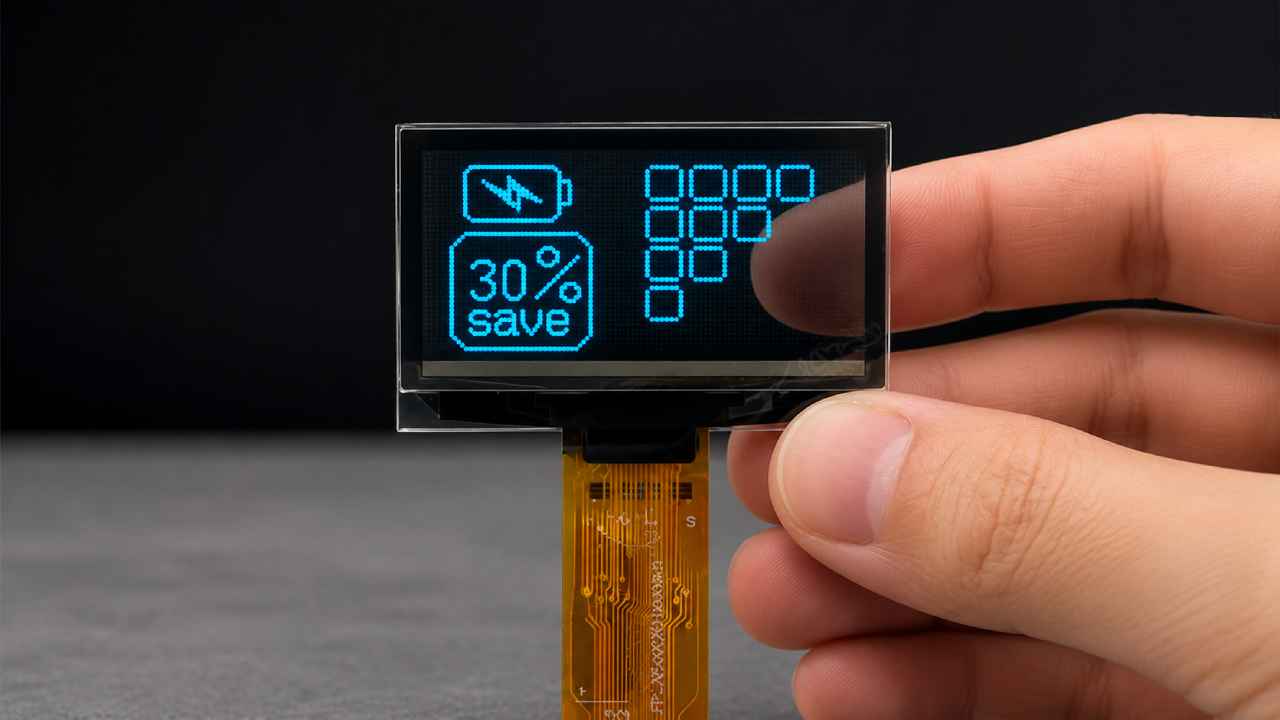
A Transparent OLED Display uses organic light-emitting diodes that produce their own light. Unlike many LCD screens, it does not require a traditional backlight behind the panel. Consequently, manufacturers can remove several layers that normally block visibility. Each pixel can light up individually while other areas remain transparent. This design allows digital images to appear in front of real objects or surroundings. Moreover, OLED technology can deliver strong contrast, smooth motion, and rich color reproduction. The result feels more natural than placing a standard screen in front of a window. Nevertheless, brightness and visibility still depend on the lighting conditions around the display.
Smart Windows Could Become Interactive Information Hubs
One of the most exciting uses for Transparent OLED Display is the smart window. A living-room window could show traffic updates, weather forecasts, or daily reminders in the morning. Later, the same surface could display artwork, entertainment, or energy-use information. Meanwhile, users would still be able to see the outside environment through the glass. This combination creates a more practical use of existing architectural space. In addition, smart windows could connect with lighting, security, and climate-control systems. A homeowner might adjust room temperature without opening a separate device or application. Therefore, the window could evolve from a passive surface into a useful digital interface.
Kitchens May Become Cleaner and More Intelligent
Transparent OLED Display could also transform the modern kitchen. A screen built into a cabinet door may show recipes while ingredients remain visible behind it. Similarly, a refrigerator panel could display food reminders, shopping lists, or expiration alerts. This approach would keep important information close to the place where people need it. Moreover, touch or gesture controls could reduce dependence on phones during cooking. The kitchen would feel smarter without becoming crowded with extra screens. However, manufacturers must design these panels to resist heat, moisture, grease, and repeated cleaning. In my opinion, durability will determine whether this idea becomes practical or remains a premium showcase feature.
Transparent Screens Could Improve Home Entertainment
Home entertainment may also benefit from Transparent OLED Display technology. A screen could remain nearly invisible when it is not being used. Once activated, it could show movies, games, music information, or ambient visuals. As a result, homeowners would no longer need to design the entire room around a dark television panel. This feature could be especially useful in premium apartments and minimalist interiors. Furthermore, transparent displays could support layered experiences by combining digital graphics with real scenery. A city view, for example, could remain visible behind subtle visual content. Nevertheless, strong daylight may affect image clarity, so placement and brightness will remain important design considerations.
Retail Innovation Offers a Preview of Smart Living
Retail stores already provide a useful preview of how Transparent OLED Display may work in homes. In a showroom, the screen can present product details without hiding the item behind it. Customers can view specifications, animations, or prices while still seeing the physical product. Therefore, the technology creates a stronger connection between digital information and real objects. The same idea could later appear in home wardrobes, storage cabinets, or hobby rooms. For example, a transparent cabinet door might identify stored items or suggest matching clothing. Moreover, this type of interface feels more intuitive because information appears exactly where it is relevant. Retail use may therefore help consumers understand the benefits before adopting the technology at home.
Read Also: Kitchen Lighting Design: Creating a Brighter and More Functional Cooking Space
Automotive Development Could Accelerate Consumer Adoption
The automotive industry may help Transparent OLED Display reach a wider audience. Carmakers are exploring transparent screens for dashboards, passenger panels, and advanced information systems. These displays can present navigation, safety alerts, or entertainment without blocking the view ahead. As a result, drivers and passengers may experience a cleaner and more integrated cabin. Furthermore, automotive production often pushes display technology toward better durability and higher brightness. Improvements developed for vehicles could later support residential products. However, safety rules will require careful control of visual distractions and screen placement. Even so, progress in automotive displays may reduce costs and speed up consumer acceptance.
Current Limitations Still Need Practical Solutions
Despite its promise, Transparent OLED Display still faces several challenges. First, transparent panels can be more expensive than conventional OLED or LCD screens. Second, they may struggle to remain clear in bright rooms or direct sunlight. In addition, the transparent structure can limit contrast when the background contains many visual details. Manufacturers must also protect the panel from scratches, moisture, and long-term image retention. These issues matter because smart-home devices must work reliably for many years. Moreover, installation may require custom furniture, glass, wiring, and software integration. Therefore, widespread adoption will depend on better performance, easier installation, and lower production costs.
Privacy and Security Must Remain Central
Smart living technology becomes less useful when it creates new privacy concerns. Transparent OLED Display systems may connect with cameras, microphones, sensors, and cloud services. Consequently, users need clear control over what data the system collects. A transparent screen should also show when a camera or voice assistant is active. Furthermore, manufacturers must provide strong security updates throughout the product’s lifespan. Without reliable protection, attackers could access personal schedules, household routines, or connected devices. In my view, trust will matter as much as image quality or design. Therefore, responsible companies should treat privacy as a core feature rather than an optional setting.
Why Transparent OLED Display Has Long-Term Potential
Transparent OLED Display has long-term potential because it changes the role of a screen. Instead of adding another device to a room, it turns an existing surface into a digital tool. This idea matches the direction of smart living, where technology becomes less visible but more useful. Moreover, the display can support many purposes across kitchens, bedrooms, offices, vehicles, and public spaces. Its future will not depend only on impressive demonstrations or futuristic design. Instead, success will come from practical functions that save time and simplify daily routines. As costs fall and performance improves, more consumers may begin to see real value in transparent screens. Therefore, this technology could become a defining part of connected homes in the years ahead.