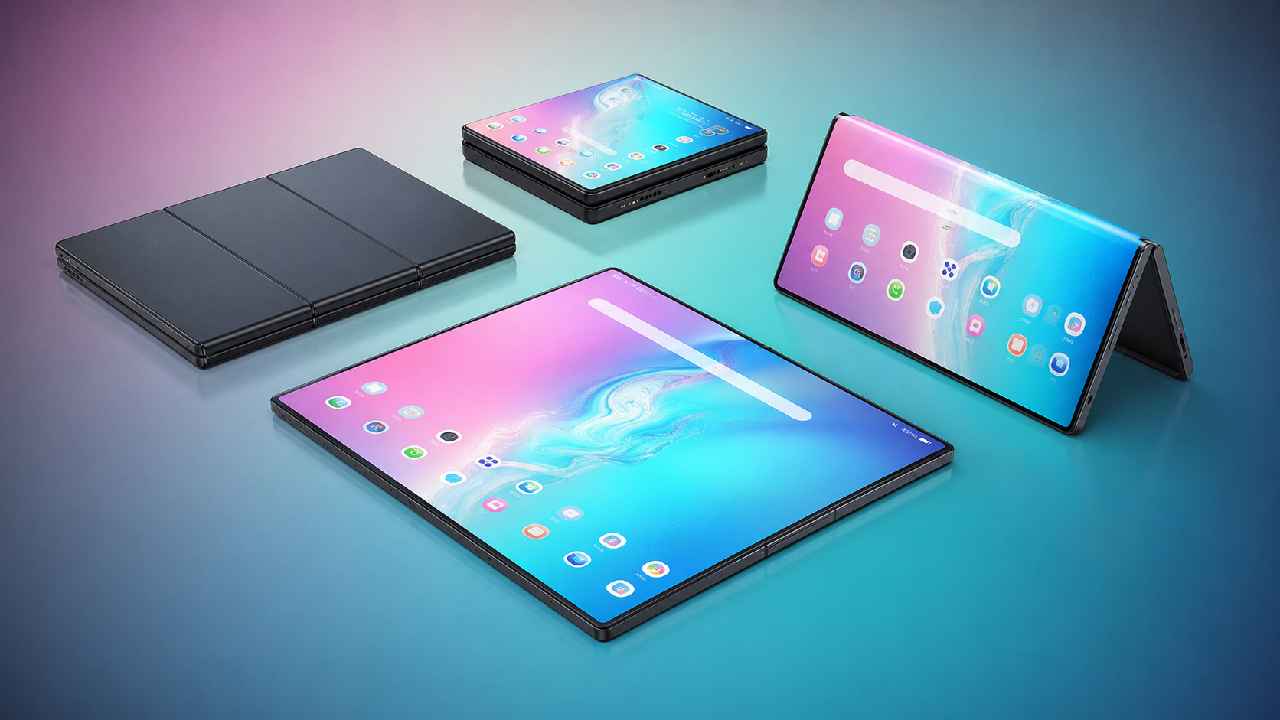
Mayumiotero – Foldable and Flexible Screen technology is changing how manufacturers design modern electronic devices. A smartphone can now open into a small tablet. Meanwhile, another model can fold into a compact shape that fits inside a pocket. This development gives users more screen space without requiring a permanently larger device. However, the innovation involves more than a panel that bends. Engineers must combine flexible materials, advanced hinges, protective layers, and adaptive software. Each component needs to work reliably through thousands of folding movements. Although prices and durability remain important concerns, the technology continues to improve. Its potential also extends beyond smartphones. Tablets, laptops, wearable devices, vehicles, and digital displays could all benefit from flexible panels.
Read Also: Realme Ends Realme UI Era and Embraces ColorOS for a Unified Future
Flexible and Foldable Displays Are Not Exactly the Same
People often use the terms flexible and foldable display as if they have the same meaning. However, they describe slightly different ideas. A flexible display is a panel that can bend during manufacturing or regular use. Some devices have curved edges, yet users cannot change their shape. A foldable display goes one step further. Manufacturers design it to open and close repeatedly along a defined area. Therefore, every foldable screen is flexible, but not every flexible screen is foldable. This distinction matters when comparing devices. A curved monitor, for example, may use a flexible panel fixed inside a solid frame. In contrast, a foldable phone requires a moving hinge and a display that tolerates repeated stress.
OLED Technology Makes Flexible Screens Possible
Most foldable devices use flexible OLED panels. OLED stands for organic light-emitting diode. Each pixel produces its own light, so the display does not require a rigid backlight layer. As a result, manufacturers can create thinner panels that bend more easily than traditional LCD screens. Flexible OLED displays usually sit on a plastic base instead of conventional glass. However, the surface still needs protection from scratches and pressure. Some manufacturers use ultra-thin glass combined with polymer layers. This structure offers a glass-like feel while maintaining enough flexibility for folding. Nevertheless, the material must balance clarity, strength, and movement. A layer that becomes too rigid may crack. On the other hand, an overly soft surface may collect scratches or dents.
The Hinge Protects More Than the Device’s Shape
The hinge is one of the most important parts of a foldable device. It controls movement while distributing pressure across the folding area. A carefully designed hinge can help the screen curve gently instead of forming a sharp bend. Consequently, it may reduce strain and make the crease less noticeable. The hinge also determines whether a device closes flat or leaves a small gap. Furthermore, some designs can hold the screen at several angles. This feature allows users to make video calls, take photographs, or watch content without using a stand. However, the hinge contains many small mechanical components. Dust, debris, and repeated movement can affect its performance. Therefore, strong sealing and careful engineering remain essential.
The Visible Crease Remains a Common Challenge
A crease often appears where the screen folds. It forms because the same section experiences repeated bending and pressure. Although manufacturers continue to improve their designs, eliminating the crease remains difficult. Its visibility can change according to the lighting, screen brightness, and viewing angle. In many situations, users barely notice it while watching a video. However, the crease may become clearer on dark screens or under direct light. Users may also feel it when moving a finger across the display. A wider hinge curve can make the fold gentler and reduce the effect. Even so, buyers should understand that a slight crease is a normal characteristic of many current foldable screens, not necessarily a defect.
Book-Style Foldables Turn Phones Into Small Tablets
Book-style foldable phones use a vertical hinge and usually include two displays. The outer screen works like a standard smartphone display. When opened, the larger inner panel provides an experience closer to a compact tablet. This design can support reading, gaming, video playback, and document editing. In addition, users can open several applications at the same time. Someone might watch a video on one side while taking notes on the other. However, the larger display can make the device heavier and thicker than a conventional phone. Battery use may also rise when the main panel is active. Therefore, book-style models suit users who value productivity and screen space more than minimal weight.
Clamshell Models Focus on Portability
Clamshell foldable phones follow a different idea. Instead of becoming a tablet, they fold vertically into a smaller square or rectangle. This shape makes the device easier to carry in a pocket or small bag. When opened, it offers a familiar smartphone layout. Many models also include a smaller external display for notifications, music controls, and camera previews. As a result, users can complete simple tasks without opening the phone. The format combines modern display technology with a design inspired by classic flip phones. Nevertheless, clamshell devices provide less additional workspace than book-style models. Their main advantage is portability rather than extensive multitasking.
Software Must Adapt When the Screen Changes Shape
Hardware alone cannot create a smooth foldable experience. Applications must respond when the display changes size or orientation. For example, an app should continue running when users move from the outer screen to the larger inner panel. Text, buttons, photographs, and videos also need to rearrange without awkward gaps. Moreover, multitasking features should remain easy to understand. Poor software can make a large foldable display feel wasted. In contrast, well-optimized applications turn the extra space into a practical advantage. Developers must test several screen sizes, aspect ratios, and folding positions. Therefore, the success of Foldable and Flexible Screen devices depends on cooperation between hardware manufacturers, operating system developers, and application creators.
Flexible Displays Are Expanding Beyond Smartphones
The potential of flexible displays reaches far beyond mobile phones. Large foldable tablets can offer more workspace while remaining portable. Meanwhile, laptops may use one continuous display instead of a permanent physical keyboard. Users can then attach a keyboard or divide the screen into different working areas. Rollable displays offer another possibility. A screen could expand from a compact body when the user needs more space. Wearable devices may also benefit from panels that follow the curve of a wrist. In vehicles, flexible screens can fit around dashboards and interior surfaces. These applications show that flexible technology is not simply a smartphone trend. Instead, it can help designers create devices that adapt to different spaces and activities.
Read Also: Coffee Table Design Ideas to Transform Your Living Room Style
Durability Requires Careful Consideration
Foldable screens have improved, but they remain more complex than standard flat displays. Their moving parts and softer protective layers require careful handling. Strong pressure from a sharp object may damage the inner panel. Dust or sand can also create problems if particles enter the hinge. In addition, users should avoid removing a factory-installed screen protector unless the manufacturer provides clear instructions. Repair costs may be higher because the display and hinge contain specialized components. Therefore, buyers should check the warranty, repair program, and local service options. Water resistance can provide useful protection, but it does not always mean the device resists dust equally well. Understanding these limits helps users avoid preventable damage.
Higher Prices Reflect Complex Manufacturing
Foldable devices generally cost more than comparable conventional phones. The difference reflects the flexible OLED panel, complex hinge, specialized materials, and additional testing. Manufacturing yields also influence price. If a delicate panel develops a defect during production, the manufacturer may need to discard it. Furthermore, many book-style models include an outer screen and a larger inner screen. That combination increases component costs. However, prices may gradually become more competitive as manufacturing improves and more companies enter the market. Buyers should still focus on practical value. A foldable device makes sense when its larger or more portable design supports daily needs. Novelty alone may not justify the additional expense.
Flexible Screens Could Redefine Personal Devices
The future of Foldable and Flexible Screen technology will likely focus on thinner bodies, stronger surfaces, and less visible creases. Better hinges may also improve dust protection and reduce device weight. Meanwhile, rollable and stretchable panels could introduce entirely new product categories. However, meaningful progress will depend on more than impressive demonstrations. Manufacturers must offer reliable devices, useful software, accessible repair services, and reasonable prices. In my view, flexible displays will succeed when users stop treating them as unusual products. Instead, people should choose them because their changing shape solves a real problem. As the technology matures, the screen may no longer determine a device’s permanent size. The device could adjust its display whenever the user needs more space.