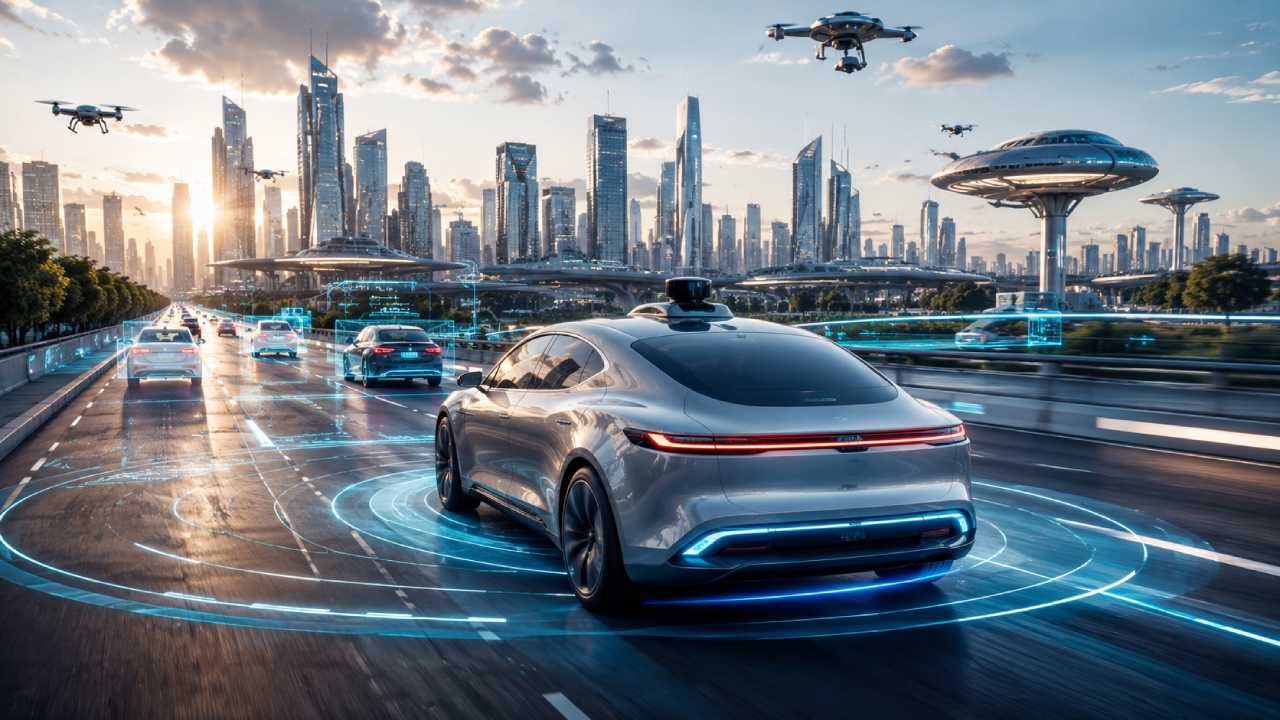
Mayumiotero – For decades, the idea of cars driving themselves belonged to the world of science fiction, where futuristic machines could navigate roads without any human intervention. However, technological innovation has rapidly transformed this concept into a realistic goal that many companies are actively pursuing. Today, advances in artificial intelligence, machine learning, and sensor technology are accelerating the development of autonomous vehicles across the globe. As a result, discussions about When Cars Start Driving Themselves are becoming increasingly common among industry experts and everyday consumers alike. Many modern vehicles already include features such as adaptive cruise control and lane-centering assistance, which serve as early examples of automated driving. Furthermore, these technologies help drivers become more comfortable with the idea of sharing control with intelligent systems. Although fully autonomous vehicles are not yet widespread, the foundation for this transportation revolution has already been established. Consequently, the automotive industry is entering one of the most transformative periods in its history.
Read Also: AI Can Help You Work Faster, but Don’t Let It Make Your Mind Less Sharp
Understanding the Technology Behind Autonomous Vehicles
The technology that powers self-driving vehicles is far more sophisticated than many people realize. Instead of relying on a single system, autonomous cars combine multiple technologies that work together simultaneously. Cameras continuously monitor the road ahead, while radar systems detect nearby objects and measure distances accurately. In addition, LiDAR sensors create detailed three-dimensional maps of the surrounding environment, allowing vehicles to understand complex traffic situations. Meanwhile, powerful onboard computers process vast amounts of information within fractions of a second. Artificial intelligence then analyzes this data and determines the safest driving actions based on current road conditions. Because these systems operate continuously, they can detect potential hazards much faster than human drivers in many scenarios. Therefore, autonomous technology represents a major leap forward in vehicle intelligence and road awareness.
Why Global Companies Are Racing Toward Automation
Major automotive manufacturers and technology firms are investing billions of dollars in autonomous vehicle development because they recognize its enormous future potential. Beyond simply creating smarter cars, these companies aim to reshape the entire transportation ecosystem. For instance, autonomous driving technology could significantly improve logistics operations, delivery services, ride-sharing platforms, and public transportation systems. Furthermore, reducing human involvement in driving could lead to lower operating costs and greater efficiency across multiple industries. Investors also see substantial financial opportunities as consumer demand for advanced mobility solutions continues to grow. At the same time, governments are supporting innovation through research programs and pilot projects designed to test autonomous systems in real-world conditions. Consequently, competition within the sector has intensified as organizations race to secure leadership positions in this emerging market. This growing momentum suggests that autonomous vehicles may become a defining technology of the coming decades.
The Safety Benefits That Could Change Transportation
Safety remains one of the strongest arguments in favor of autonomous vehicles because human error continues to cause the majority of road accidents worldwide. Common issues such as distracted driving, fatigue, speeding, and impaired judgment contribute to thousands of preventable collisions every year. Autonomous systems are designed to address these problems by maintaining constant attention to the road environment. Unlike humans, intelligent driving systems do not become tired after long journeys or lose concentration due to external distractions. Moreover, they can react to sudden changes in traffic conditions almost instantly. This capability may help reduce accident rates and improve overall road safety. In addition, autonomous vehicles can communicate with other smart systems, creating a more coordinated transportation network. Therefore, many experts believe that self-driving technology could save countless lives while making daily travel safer for everyone.
Challenges That Still Stand in the Way
Despite remarkable progress, several important challenges must be overcome before fully autonomous vehicles become a common sight on public roads. One major obstacle involves handling unpredictable situations that occur in real-world driving environments. Heavy rain, dense fog, snow, and damaged road markings can interfere with sensor performance and reduce system accuracy. Furthermore, autonomous vehicles must be capable of making safe decisions in highly complex traffic scenarios involving pedestrians, cyclists, and unexpected obstacles. Legal and regulatory concerns also remain unresolved in many countries. Questions regarding liability, insurance responsibility, and safety certification continue to generate debate among policymakers and industry leaders. Additionally, cybersecurity presents another critical issue because connected vehicles could become targets for malicious attacks. Therefore, addressing these challenges will be essential for achieving widespread public acceptance and regulatory approval.
Read Also: Future Display Technology: What Will the Future of Displays Look Like in 10 Years?
How Autonomous Vehicles Could Transform Modern Cities
The impact of autonomous transportation may extend far beyond individual drivers and vehicles. Urban planners increasingly believe that self-driving technology could reshape the design and functionality of modern cities. For example, widespread adoption of autonomous ride-sharing services could reduce the need for large parking facilities in crowded urban centers. As a result, valuable land currently used for parking could be repurposed for housing, green spaces, or commercial development. Furthermore, intelligent traffic management systems may improve vehicle flow and reduce congestion during peak travel periods. Autonomous public transportation could also provide greater mobility for elderly individuals and people with disabilities. Meanwhile, more efficient driving patterns may contribute to lower fuel consumption and reduced emissions. Consequently, cities could become cleaner, more accessible, and better equipped to meet future transportation demands.
Building Public Trust in Self-Driving Technology
While technological advancements are crucial, public trust will ultimately determine the success of autonomous vehicles. Many consumers remain hesitant about allowing a machine to take complete control of driving responsibilities. This skepticism is understandable because transportation safety directly affects people’s lives and well-being. However, history shows that society often takes time to embrace transformative technologies. Automated elevators, commercial aviation systems, and online banking services all faced resistance before becoming widely accepted. Similarly, autonomous vehicles must demonstrate consistent reliability and safety before consumers fully embrace them. Manufacturers can support this process by conducting transparent testing and openly communicating performance data. Additionally, positive real-world experiences will likely play a significant role in changing public perceptions. Therefore, building confidence may be just as important as improving the technology itself.
Looking Ahead to the Future of Driverless Mobility
The future of transportation is evolving rapidly, and autonomous vehicles are positioned to play a central role in that transformation. Although fully driverless transportation may still require additional years of development, current progress indicates that the industry is moving steadily toward that goal. Advances in artificial intelligence, sensor technology, and connectivity continue to improve the capabilities of autonomous systems. Meanwhile, governments and private organizations are investing heavily in infrastructure and research initiatives that support long-term adoption. The concept of When Cars Start Driving Themselves is no longer merely a futuristic prediction but an emerging reality that is gradually taking shape. As technology matures and public confidence grows, autonomous vehicles may become a normal part of everyday life. Ultimately, this innovation has the potential to redefine mobility, improve safety, and create a smarter transportation future for generations to come.