Mayumiotero – Future Display Technology has become one of the most fascinating topics in the tech industry. As artificial intelligence, spatial computing, and immersive experiences continue to evolve, displays are no longer just screens that show content. Instead, they are becoming intelligent interfaces that connect people with both the digital and physical worlds. Over the next decade, display technology is expected to undergo a transformation that rivals the shift from CRT televisions to modern OLED screens. Consequently, experts believe we are entering an era where displays will become more interactive, more intelligent, and far more immersive than ever before.
Read Also: Nvidia RTX Spark Introduces a New Era of AI-Powered Windows Laptops
The Evolution of Displays Never Stops
Looking back, display technology has always evolved alongside human needs. LCD screens once dominated the market before OLED emerged with richer colors and deeper contrast. Since then, innovation has accelerated rapidly. Today, consumers expect more than sharp images and vibrant colors. They want seamless experiences that feel natural and engaging. As a result, technology companies are investing billions of dollars in next-generation display research. Furthermore, industry analysts predict continuous growth in the global display market over the coming years. This trend highlights how displays remain one of the most important components in modern technology ecosystems.
MicroLED Is Expected to Become the Successor to OLED
One of the most talked-about innovations within Future Display Technology is MicroLED. This technology offers several advantages that make it highly attractive for future devices. In addition to delivering exceptional brightness, MicroLED panels are more energy-efficient than many current display technologies. Moreover, they eliminate the risk of burn-in, which remains a concern for OLED users. Because of these benefits, major manufacturers are positioning MicroLED as the next premium display standard. Although production costs remain high today, history has shown that emerging technologies typically become more affordable as manufacturing scales increase. Therefore, MicroLED is widely expected to play a significant role in the display market over the next decade.
Holographic Displays Are Moving Closer to Reality
For many years, holographic displays belonged primarily to science fiction movies. Today, however, that vision is gradually becoming reality. Holographic displays can project three-dimensional digital objects that users can view from multiple angles. As a result, they have the potential to revolutionize communication, entertainment, education, and healthcare. Imagine attending a virtual meeting where colleagues appear as realistic holograms standing in the same room. Similarly, students could interact with complex scientific models in three dimensions rather than viewing them on flat screens. While the technology still faces challenges, advancements in AI and graphics processing continue to push holographic displays closer to mainstream adoption.
Glasses-Free 3D Displays Are Making a Comeback
3D technology once attracted significant attention before fading due to the inconvenience of special glasses. However, modern innovations are giving the concept a second chance. Thanks to eye-tracking systems and AI-powered image processing, manufacturers can now create convincing 3D effects without requiring users to wear additional accessories. Consequently, the viewing experience becomes more comfortable and immersive. Many companies see strong potential for glasses-free 3D displays in gaming, entertainment, digital advertising, and professional design applications. Furthermore, the technology demonstrates how the display industry continues searching for new ways to enhance visual experiences without sacrificing convenience.
Spatial Displays Could Redefine the Workplace
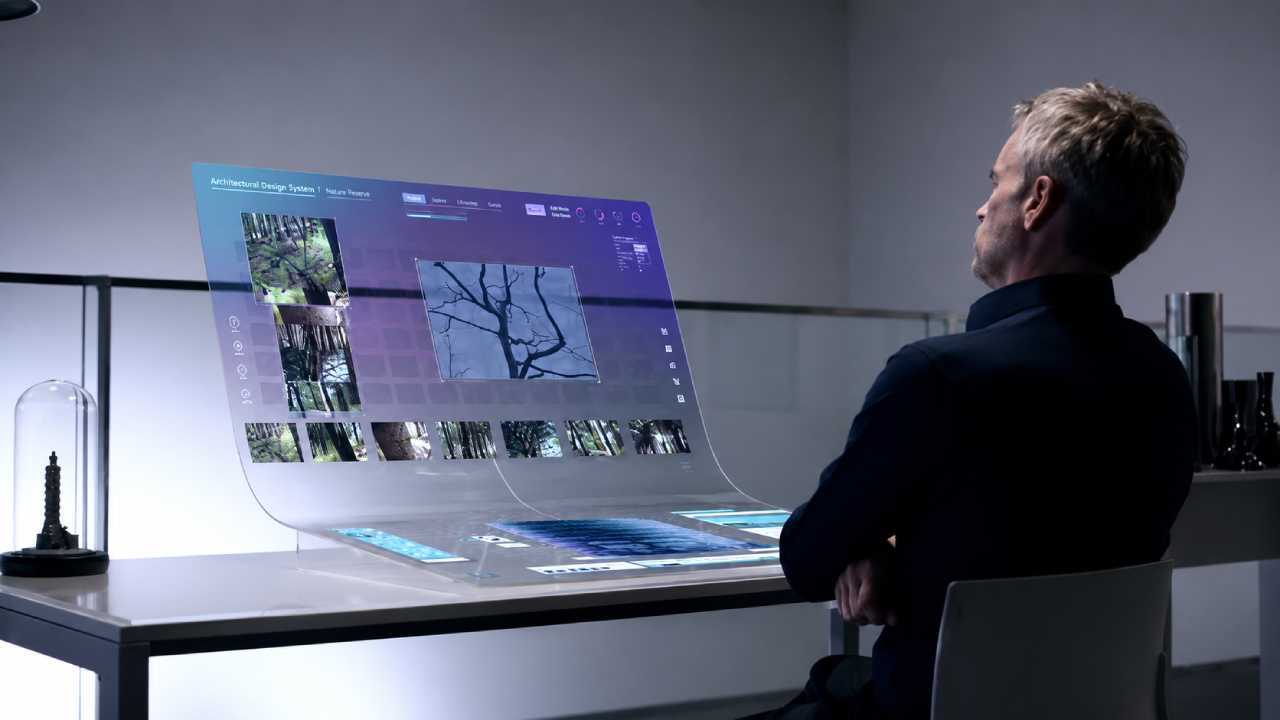
Future Display Technology is not only about improving image quality. It is also about changing how people interact with digital environments. Spatial displays allow users to create multiple virtual screens within a shared digital space. Instead of purchasing several physical monitors, professionals could access numerous virtual displays positioned around them. As a result, productivity and workspace flexibility could increase dramatically. Major technology companies are already investing heavily in spatial computing ecosystems. If this trend continues, future offices may look completely different from today’s traditional workstations. Digital workspaces could become limitless, customizable, and highly immersive.
Read Also: Luxury Resort-Style Hotel Bedroom Inspiration: Bringing the Holiday Feel to Your Home Every Day
Artificial Intelligence Will Make Displays Smarter
Artificial intelligence is transforming nearly every area of technology, and displays are no exception. In the future, displays will do far more than present information. They will actively adapt to user behavior and environmental conditions. For example, AI systems may automatically adjust brightness, optimize color profiles, improve video quality, and reduce energy consumption. Additionally, displays could learn individual preferences and personalize viewing experiences accordingly. Therefore, screens will evolve from passive output devices into intelligent systems capable of enhancing comfort, efficiency, and visual performance. This shift represents one of the most exciting developments in Future Display Technology.
Transparent Displays Open New Possibilities
Transparent displays are another innovation attracting considerable attention. These screens allow digital information to appear while still enabling users to see objects behind the display. As a result, they create unique opportunities across multiple industries. Smart vehicles could use transparent displays for advanced navigation systems. Retail stores could transform storefront windows into interactive digital experiences. Likewise, smart buildings could integrate transparent displays into everyday architecture. Because of their futuristic appearance and practical applications, many experts believe transparent displays will become an important component of future smart cities and connected environments.
The Future of Displays Is No Longer About Resolution Alone
For years, the display industry focused heavily on increasing resolution, moving from HD to Full HD, then to 4K and 8K. However, the conversation is changing. Today, the future of display technology is centered on user experience rather than pixel count alone. Holographic displays, spatial computing, AI-powered screens, MicroLED panels, and transparent displays are all part of a broader transformation. Consequently, future displays may no longer resemble the flat screens we use today. Instead, they will become more integrated into our surroundings and more responsive to our needs. If current innovation trends continue, the next decade could blur the line between the digital and physical worlds in ways that once seemed impossible.