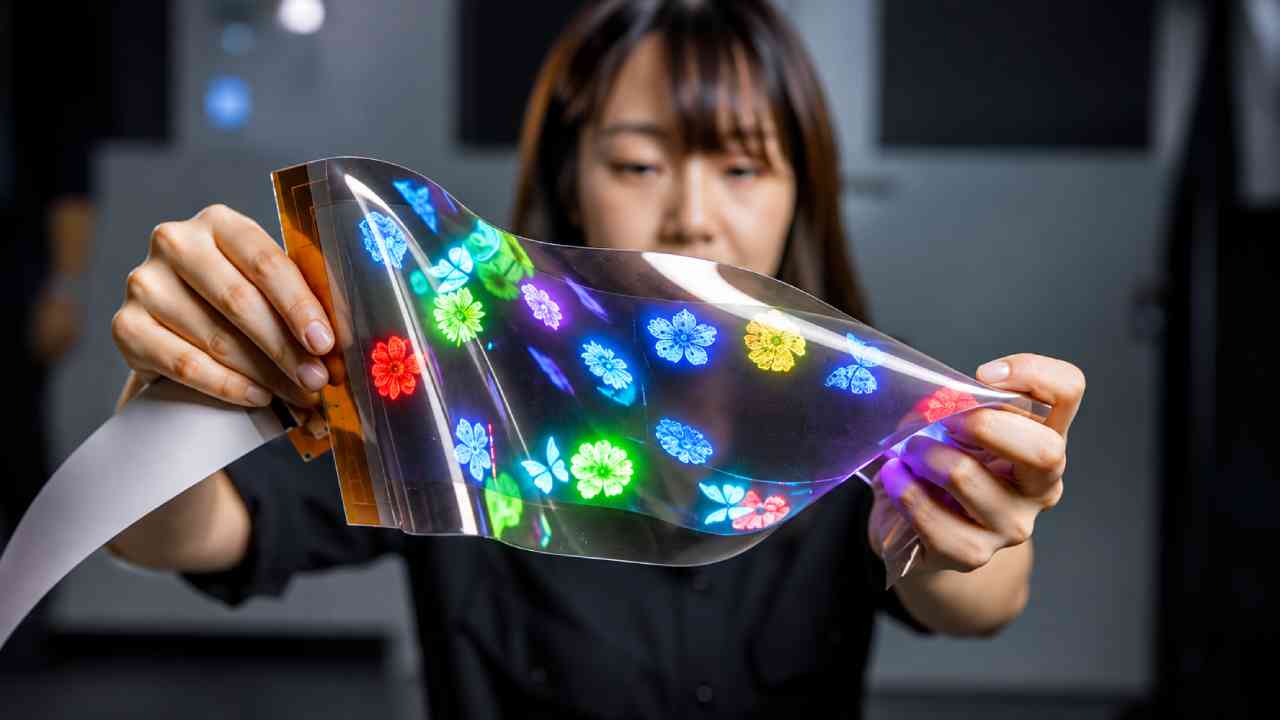
Mayumiotero – Stretchable Display is an emerging screen technology that allows digital surfaces to stretch, bend, and adapt to different shapes. Unlike conventional screens, this innovation offers greater freedom in physical design. Imagine wearing a jacket with a digital display that follows every movement of your body. Similarly, a vehicle dashboard could feature an interactive screen that follows its curved interior. These possibilities demonstrate how display technology could evolve beyond traditional electronic devices. Moreover, researchers continue exploring materials that maintain visual performance during physical deformation. This approach combines advanced electronics with elastic materials to create more adaptable digital experiences. Although commercial applications remain limited, early prototypes demonstrate encouraging progress. The technology could eventually influence how people interact with information in everyday environments. Rather than simply improving image quality, elastic screens introduce an entirely different approach to digital innovation.
Understanding How Stretchable Display Technology Works
The technology combines elastic substrates, miniature light-emitting components, and specially designed electronic connections. Unlike rigid glass panels, elastic substrates allow the screen to change its physical dimensions. Manufacturers can use silicone-based materials to create a flexible foundation with rubber-like properties. Meanwhile, miniature LEDs produce the light and colors necessary for displaying digital content. Engineers also develop flexible electrical connections that accommodate movement between individual components. For example, curved circuit patterns can gradually straighten when the material stretches. Consequently, these connections help maintain electrical continuity during deformation. However, stretching also changes the distance between individual pixels. Engineers must therefore manage image distortion and changes in pixel density. Developing reliable solutions requires expertise in material science, electrical engineering, and display manufacturing. Together, these disciplines support the development of screens that can adapt to increasingly complex physical surfaces.
Moving Beyond Traditional Foldable Screen Technology
Foldable smartphones have already introduced consumers to more flexible electronic devices. However, Stretchable Display technology explores a different form of flexibility. Foldable screens primarily bend along specific areas without significantly changing their surface dimensions. Similarly, rollable screens expand by revealing additional display material from inside a device. Elastic screens, on the other hand, can physically increase their dimensions through controlled stretching. This distinction creates new opportunities for manufacturers seeking greater design freedom. For instance, a stretchable panel could follow an irregular surface that conventional flexible screens cannot easily accommodate. Nevertheless, each display technology offers different advantages and limitations. Foldable screens currently benefit from greater commercial maturity. Meanwhile, elastic displays still require extensive development before widespread adoption becomes practical. Their greatest potential may lie in applications where conventional folding and rolling mechanisms cannot provide sufficient adaptability.
Read Also: China Accelerates Lunar Ambitions With Plans to Land Astronauts Before 2030
LG Display Demonstrates Significant Progress in Elastic Screens
LG Display has contributed to the development of stretchable screen technology through several prototype demonstrations. In November 2024, the company introduced a display with a maximum stretching capability of 50 percent. The prototype could expand from its original 12-inch size to 18 inches. Furthermore, it featured full RGB color reproduction and a pixel density of 100 pixels per inch. The company also reported durability exceeding 10,000 stretching cycles. These specifications represented notable progress compared with its earlier prototype from 2022. That earlier version offered approximately 20 percent stretchability. Consequently, the newer demonstration highlighted improvements in materials and electronic connections. However, prototype performance does not automatically guarantee commercial readiness. Manufacturers must still address production costs, long-term reliability, and practical integration. Nevertheless, these developments provide a valuable example of how elastic display research continues to advance beyond theoretical concepts.
Smart Clothing Could Become More Interactive and Adaptive
The fashion industry represents one potential application for Stretchable Display technology. Traditional clothing offers comfort and flexibility, while electronic screens generally require more rigid structures. However, elastic displays could help bridge this difference. Imagine a sports jacket that displays exercise information without requiring a separate handheld device. Alternatively, protective uniforms could feature visual indicators that communicate important environmental information. Furthermore, fashion designers could explore garments with adjustable digital patterns and colors. Such innovations might create new opportunities for personalized clothing and interactive accessories. Nevertheless, practical applications require more than flexible screen materials. Manufacturers must consider battery placement, washing resistance, comfort, and long-term durability. In addition, electronic components must withstand repeated movements during everyday activities. If researchers overcome these challenges, wearable displays could become more naturally integrated into clothing rather than appearing as separate electronic attachments.
Creating More Adaptive Automotive Interior Experiences
Modern vehicles increasingly incorporate digital displays for navigation, entertainment, and essential driving information. However, conventional screens often require relatively flat surfaces and dedicated installation areas. Stretchable Display technology could offer automotive designers greater flexibility when developing vehicle interiors. For example, elastic screens could follow curved dashboards, door panels, or other irregular surfaces. Moreover, this adaptability could help manufacturers integrate digital interfaces more naturally into cabin designs. Passengers might benefit from displays that blend into their surroundings without occupying unnecessary space. Nevertheless, automotive applications introduce demanding safety and reliability requirements. Screens must withstand temperature changes, vibrations, sunlight exposure, and extended operating periods. Designers must also ensure that visual information does not distract drivers. Therefore, practical development should prioritize functionality alongside aesthetic appeal. The technology becomes particularly interesting when its flexibility solves genuine design challenges rather than simply adding futuristic decoration.
Exploring New Opportunities in Healthcare and Wearable Devices
Healthcare technology continues to explore smaller, lighter, and more comfortable electronic devices. Elastic screens could support this direction by following the natural contours of the human body. For instance, wearable monitoring devices might display selected health information directly on flexible surfaces. Similarly, rehabilitation equipment could incorporate visual indicators that remain visible during physical movement. The ability to accommodate changing body positions could improve comfort in certain applications. However, medical devices require rigorous safety testing and reliable performance. A stretchable screen alone cannot measure health conditions without appropriate sensors and supporting electronics. Furthermore, manufacturers must address skin compatibility, moisture resistance, and energy consumption. These requirements make healthcare development particularly complex. Nevertheless, combining elastic displays with suitable monitoring systems could create useful opportunities. The most meaningful innovations would focus on improving accessibility, comfort, and practical communication for patients and healthcare professionals.
Technical Challenges Behind Stretchable Display Development
Despite its promising capabilities, Stretchable Display technology faces several engineering challenges. One major concern involves maintaining consistent image quality when the screen changes dimensions. As pixels move farther apart, their density can decrease across the expanded surface. Consequently, engineers must develop effective methods for managing visual distortion. Electrical connections also experience mechanical stress during repeated stretching. Over time, this stress could affect component reliability and overall performance. Additionally, manufacturers need materials that resist environmental damage without sacrificing elasticity. Production costs present another important consideration, especially for large-scale manufacturing. Complex assembly processes may initially make elastic screens more expensive than conventional alternatives. Meanwhile, energy efficiency remains essential for portable and wearable applications. Addressing these challenges will require continued collaboration across several engineering disciplines. Commercial success will ultimately depend on balancing flexibility, visual performance, durability, and affordability.
Rethinking the Relationship Between Screens and Everyday Objects
For decades, digital screens have largely remained separate components within electronic products. Smartphones, televisions, and computers typically feature clearly defined display surfaces. However, elastic screen technology encourages designers to reconsider this familiar relationship. Instead of attaching a rigid panel to an object, manufacturers could integrate visual information into its existing shape. Furniture, household appliances, and interactive installations might benefit from this approach. Furthermore, adaptable displays could support products that change shape during normal use. This possibility introduces an interesting shift in product design philosophy. Rather than forcing users to adapt to fixed electronic interfaces, designers could create interfaces that adapt to their surroundings. Nevertheless, not every everyday object needs a digital screen. Meaningful applications should offer genuine improvements in convenience or functionality. The strongest opportunities will likely emerge where physical flexibility addresses problems that traditional display technologies cannot easily solve.
The Future of Flexible and Adaptive Digital Experiences
Stretchable Display technology offers a compelling glimpse into the future of adaptable electronics. Its potential extends across consumer devices, wearable technology, automotive interiors, and specialized industrial equipment. However, widespread adoption will depend on more than impressive prototype demonstrations. Manufacturers must establish reliable production methods and demonstrate consistent performance under realistic conditions. Moreover, consumers need practical reasons to choose elastic screens over existing alternatives. Improved comfort, greater durability, and innovative product designs could become important advantages. Future developments may also combine stretchable screens with sensors, interactive controls, and advanced computing systems. Together, these technologies could create more responsive digital environments. Nevertheless, commercial progress will likely occur gradually as researchers address technical limitations. The most valuable transformation may not involve making every screen stretchable. Instead, it could involve creating digital surfaces that fit naturally into the objects and environments people already use.