Mayumiotero – Warm & Homely Interiors are no longer just a passing design trend; instead, they represent a deeper shift in how people define comfort and identity inside their homes. Over the past decade, cool gray tones dominated modern interiors because they felt clean and minimal. However, as lifestyles changed—especially with more time spent at home—many homeowners began to crave spaces that feel emotionally engaging, not just visually neat. Therefore, warm tones are stepping in as a more inviting alternative. This transition reflects a growing desire for interiors that feel personal, calming, and full of life, rather than cold and impersonal.
Read Also: Adobe Firefly AI Assistant Arrives, Redefining Creative Workflows with One Simple Command
The Decline of Cool Gray and the Rise of Emotional Spaces
Warm & Homely Interiors have gained attention because cool gray palettes started to feel overly sterile. Initially, gray symbolized sophistication and modernity. Yet, over time, it created spaces that lacked warmth and emotional connection. As a result, designers began to rethink how interiors influence mood. Warm tones, on the other hand, bring a sense of comfort and familiarity. They make rooms feel lived-in rather than staged. Consequently, homeowners now prefer colors that evoke feelings, not just aesthetics.
The Psychology Behind Warm Color Palettes
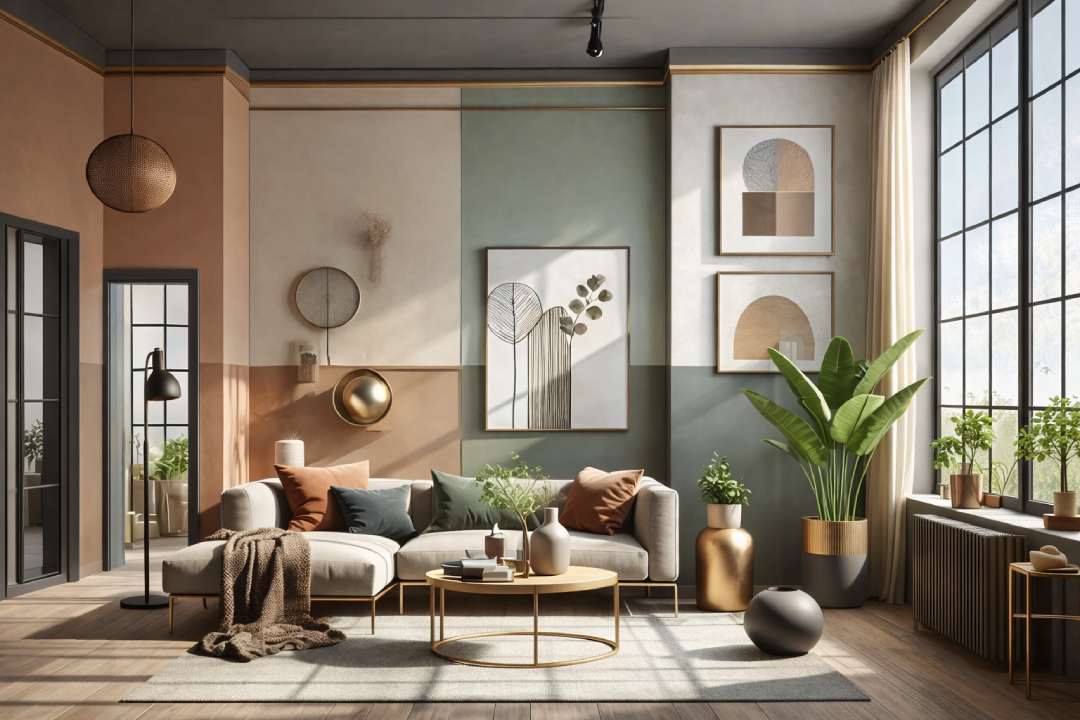
Warm & Homely Interiors rely heavily on color psychology. Shades like taupe, caramel, terracotta, and warm white naturally create a soothing environment. In contrast, cooler tones often feel distant. Because of this, warm colors help reduce stress and improve relaxation. Moreover, these tones mimic natural elements such as soil, sunlight, and wood. This connection to nature enhances emotional well-being. Therefore, it is not surprising that people feel more at ease in warm-toned environments.
Natural Materials Strengthen the Warm Aesthetic
Warm & Homely Interiors are not only about color; they also emphasize material choices. For instance, wood, linen, rattan, and stone play a crucial role in creating a cohesive look. These materials add texture and depth, which make a space feel authentic. Additionally, they age beautifully, adding character over time. Compared to synthetic finishes, natural materials provide a more grounded and organic atmosphere. As a result, interiors feel more connected to the real world.
Lighting as a Key Element of Warm Interiors
Warm & Homely Interiors depend heavily on lighting to enhance their atmosphere. Soft, layered lighting creates a cozy and welcoming environment. For example, warm LED tones, pendant lights, and floor lamps can transform a room instantly. Furthermore, natural light plays a vital role. Large windows and sheer curtains allow sunlight to fill the space gently. Consequently, the combination of artificial and natural lighting strengthens the overall warmth of the design.
Furniture Choices That Emphasize Comfort
Warm & Homely Interiors prioritize comfort over rigid aesthetics. Therefore, furniture tends to feature softer shapes and plush textures. Curved sofas, upholstered chairs, and textured fabrics are becoming more popular. In addition, these elements encourage relaxation and social interaction. Unlike sharp-edged furniture, softer designs feel more approachable. As a result, the entire space becomes more inviting and functional.
Read Also: Creative Lifestyle for Introverts: How to Develop Your Creativity Without Leaving the House
Personalization and Storytelling in Interior Design
Warm & Homely Interiors encourage homeowners to express their personality. Instead of following strict design rules, people are now mixing personal items, artwork, and memories into their spaces. This approach creates a narrative within the home. For instance, a handmade decor piece or a travel souvenir can add emotional value. Consequently, interiors feel unique and meaningful rather than generic. This storytelling aspect is one of the strongest reasons behind the trend’s popularity.
Why Warm Interiors Fit Modern Lifestyles
Warm & Homely Interiors align perfectly with modern living habits. As remote work becomes more common, homes must serve multiple purposes. They need to be both productive and relaxing. Warm environments support this balance by reducing stress and increasing comfort. Moreover, they create a sense of stability in uncertain times. Therefore, this design approach is not only aesthetic but also practical for everyday life.
The Future of Interior Design: Warm, Personal, and Human-Centered
Warm & Homely Interiors are likely to remain relevant for years to come. This is because they focus on human needs rather than temporary trends. While design styles may evolve, the desire for comfort and authenticity will persist. In my view, this shift represents a more mature approach to interior design. Instead of chasing perfection, people are choosing spaces that feel real and emotionally fulfilling. Ultimately, warm interiors are not just about how a home looks, but how it makes people feel.