Mayumiotero – A small room does not have to feel cramped or uncomfortable. In fact, many modern homes embrace compact living because it encourages efficiency and creativity. The key is knowing how to make a small room feel larger without adding extra square footage. Fortunately, smart design choices can dramatically change the way a space looks and feels. From selecting the right colors to arranging furniture strategically, every detail plays a role. Moreover, thoughtful planning often creates a more comfortable environment than simply having a bigger room. As housing trends continue to evolve, homeowners and renters alike are discovering that smart design can transform even the smallest spaces into stylish and functional retreats.
Read Also: Xiaomi Launches MiMo Code AI, a Free Coding Assistant Claimed to Outperform Claude
Start with a Light and Neutral Color Palette
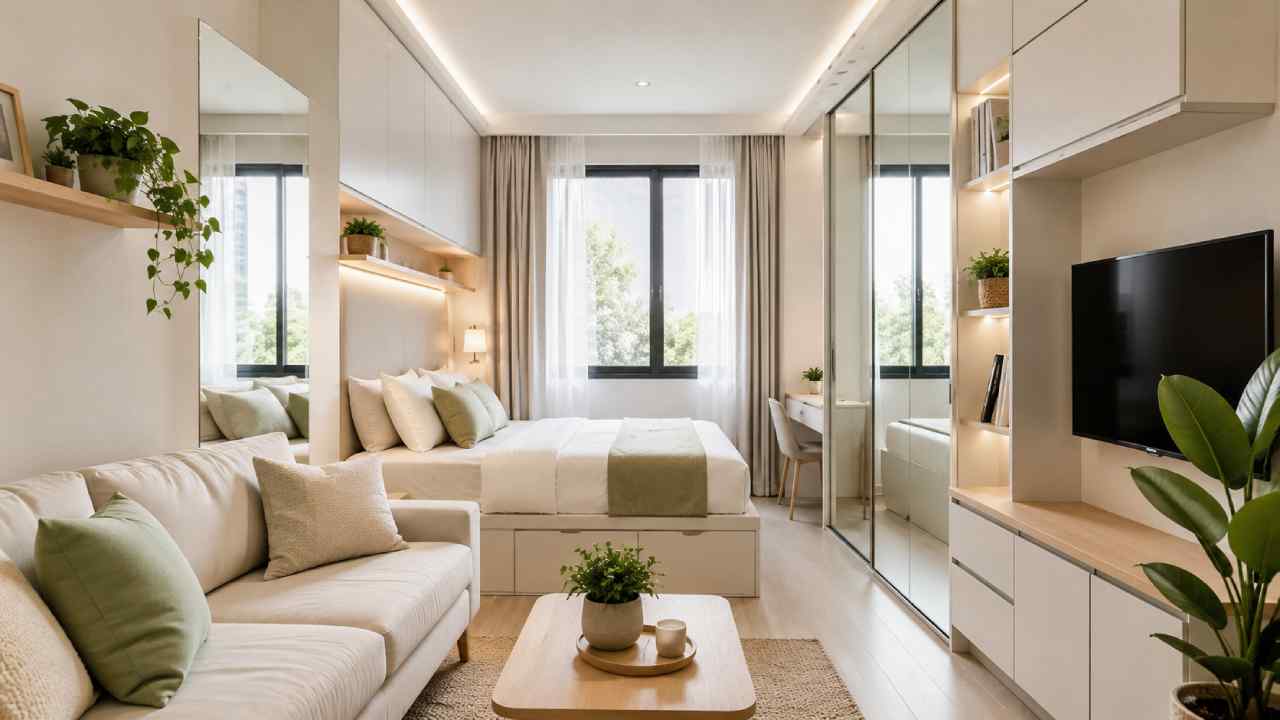
Color is one of the most powerful tools in interior design. Therefore, choosing the right shades can instantly affect how large a room appears. Light colors such as white, beige, soft gray, and cream reflect more natural light. As a result, walls seem to recede, making the room feel more open. In contrast, dark colors tend to absorb light and create a more enclosed atmosphere. However, that does not mean the room must feel plain. You can still introduce character through textured fabrics, wooden accents, or subtle decorative pieces. Furthermore, a consistent color scheme helps create visual continuity, which makes the space feel less cluttered and more expansive.
Maximize Natural Light Whenever Possible
Natural light can completely transform a room. For this reason, interior designers often prioritize windows and daylight when planning a space. If possible, avoid placing large furniture pieces directly in front of windows. Instead, allow sunlight to travel freely throughout the room. Additionally, choose sheer curtains rather than heavy drapes. This simple adjustment allows more light to enter while maintaining privacy. Bright spaces naturally feel larger because shadows are reduced and visual boundaries become less noticeable. Consequently, a room that receives abundant natural light often feels more welcoming and spacious than a darker room of the same size.
Use Mirrors to Create the Illusion of Space
Mirrors have long been a favorite design trick among professionals. Although they do not physically increase a room’s size, they create the illusion of depth and openness. When positioned correctly, mirrors reflect both light and surrounding elements. Therefore, the room appears larger than it actually is. A large mirror opposite a window works particularly well because it doubles the effect of natural light. Moreover, mirrored furniture and decorative mirror panels can enhance this visual impact. While the concept is simple, the results can be surprisingly dramatic. Consequently, mirrors remain one of the most cost-effective ways to improve a compact living space.
Choose Furniture That Serves Multiple Functions
In a small room, every piece of furniture should work hard. Therefore, multifunctional furniture is often the smartest investment. A storage ottoman, for example, provides seating while hiding everyday items. Similarly, a bed with built-in drawers can eliminate the need for a bulky dresser. Foldable tables and wall-mounted desks also help maximize usable space. Furthermore, multifunctional furniture reduces clutter because fewer items are needed overall. This approach not only saves room but also improves organization. As a result, the space feels cleaner, more efficient, and significantly larger than its actual dimensions suggest.
Keep the Floor as Visible as Possible
One common mistake in small rooms is overcrowding the floor area. While extra furniture may seem useful, it often creates visual heaviness. Instead, consider furniture with exposed legs. Sofas, chairs, and tables that sit slightly above the floor allow more visible floor space underneath. Consequently, the eye perceives a larger area. In addition, floating shelves and wall-mounted storage units help free up valuable floor space. This design principle works because uninterrupted surfaces create a stronger sense of openness. Therefore, maintaining visible flooring can dramatically improve the overall perception of space.
Take Advantage of Vertical Storage Solutions
When floor space is limited, the walls become valuable real estate. Rather than expanding outward, smart design encourages homeowners to think upward. Tall shelving units, wall-mounted cabinets, and floating shelves provide additional storage without consuming precious floor space. Furthermore, vertical storage naturally draws the eye upward. As a result, ceilings appear higher and rooms feel more spacious. This technique is especially effective in apartments and compact homes. In addition, it helps keep everyday items organized and easily accessible. Therefore, vertical storage offers both practical and visual benefits for small living environments.
Read Also: How Augmented Reality Is Changing Online Shopping
Reduce Clutter and Simplify Decorations
A room can feel small simply because it contains too many items. Consequently, reducing clutter is one of the fastest ways to improve a space. Start by evaluating decorative pieces, furniture, and accessories. If an item serves no purpose or adds little value, consider removing it. Moreover, choosing a few larger decorative elements often works better than displaying many small objects. This creates a cleaner and more sophisticated appearance. Minimalist design principles support this idea because simplicity allows the eye to move freely around the room. As a result, the space feels calmer, larger, and more organized.
Create a Balanced and Functional Layout
Furniture placement can significantly influence how a room feels. Even beautiful furniture may make a space seem crowded if arranged poorly. Therefore, prioritize clear pathways and logical flow. Leave enough room for movement and avoid blocking natural focal points such as windows or architectural features. Additionally, position larger furniture against walls whenever possible. This strategy opens the center of the room and improves circulation. Furthermore, balanced layouts prevent visual congestion. When every item has a purpose and proper placement, the room functions more efficiently. Consequently, even a compact space can feel comfortable, practical, and visually appealing.
Smart Design Can Transform Any Small Room
Learning how to make a small room look bigger is less about size and more about perception. Through thoughtful choices involving color, lighting, furniture, storage, and layout, even the smallest rooms can feel remarkably spacious. Moreover, these improvements often enhance functionality and comfort at the same time. While large homes may offer more square footage, well-designed small spaces frequently provide a better living experience. Ultimately, smart design proves that creativity and planning can overcome spatial limitations. With the right approach, any compact room can become a stylish, inviting, and highly functional place to live.