Mayumiotero – Tablescaping is turning an ordinary dining table into a space for creativity, personality, and memorable experiences. Instead of simply arranging plates and glasses, people are using flowers, candles, linens, ceramics, and unexpected objects to create a visual story. The idea feels especially relevant today because many people want their homes to feel more personal. At the same time, entertaining at home can become an experience rather than just another meal. Interestingly, tablescaping does not require an expensive collection of tableware. A few thoughtful details can completely change the atmosphere. Fresh flowers from the garden, mismatched vintage plates, seasonal fruit, or colorful napkins can all become part of the composition. Therefore, the appeal lies less in perfection and more in expression. As creative lifestyles continue to influence interiors, fashion, food, and everyday rituals, the dining table has naturally become another canvas for experimentation.
Read Also: Google Launches Gemini 3.7 Flash Just Three Weeks Later With Much Lower Pricing
What Is Tablescaping?
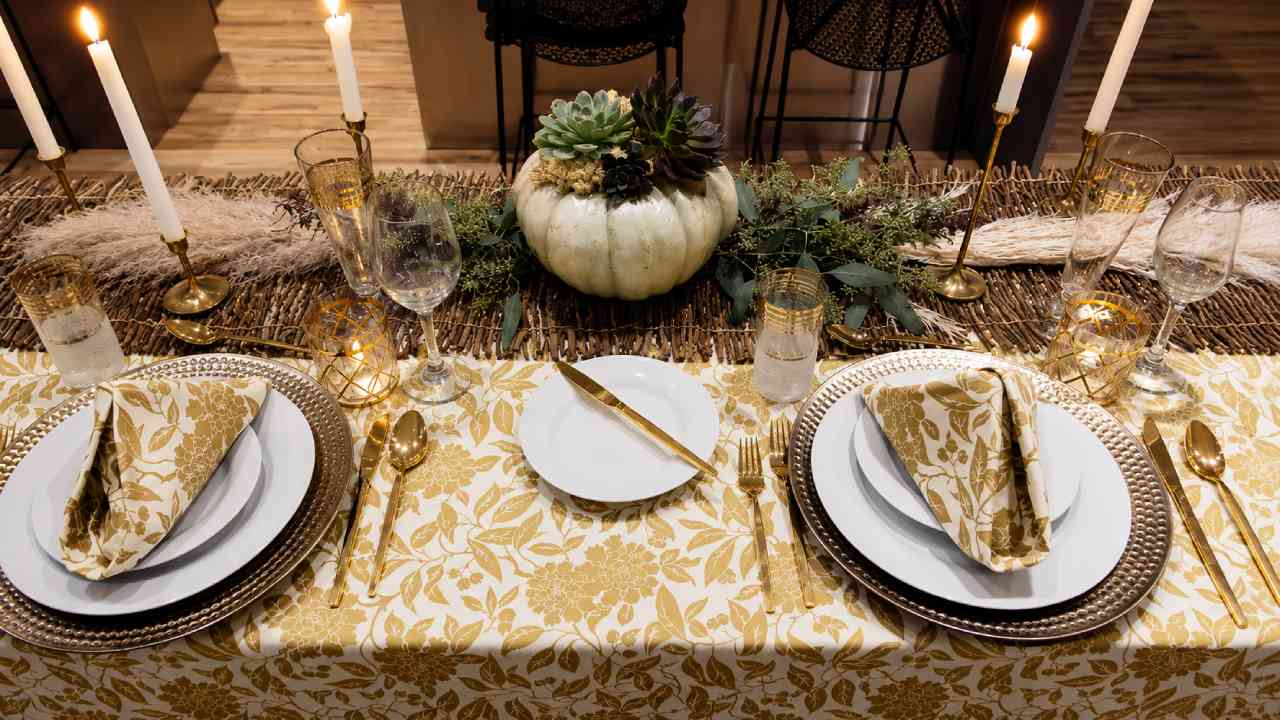
At its simplest, tablescaping is the creative arrangement of a dining table around a specific mood, occasion, color palette, or visual concept. It usually combines practical dining pieces with decorative elements. Plates, cutlery, glasses, napkins, tablecloths, candles, flowers, and centerpieces can all contribute to the final scene. However, tablescaping goes beyond traditional table setting. A formal table setting often follows established rules about where each item belongs. Tablescaping offers far more freedom. For example, someone might arrange lemons between small flower vases for a Mediterranean-inspired dinner. Another table could use handmade ceramics, linen napkins, and wildflowers for a relaxed countryside atmosphere. Therefore, there is no single formula that defines a beautiful table. The strongest arrangements usually share one quality: every element appears connected. Colors, textures, heights, and materials work together to create an intentional atmosphere without making the table difficult to use.
Why Tablescaping Fits the Creative Lifestyle Movement
Creative lifestyle trends often encourage people to bring artistic thinking into ordinary routines. Tablescaping fits naturally within that philosophy because it transforms something familiar into an opportunity for self-expression. Instead of reserving beautiful tableware for holidays, people can experiment during weekend breakfasts, casual dinners, or gatherings with friends. Moreover, the activity combines several creative disciplines. It can involve interior styling, floral arranging, color theory, food presentation, and even handmade crafts. Someone who enjoys pottery might display handmade plates. Meanwhile, a gardening enthusiast could build a centerpiece using herbs or seasonal flowers. This flexibility makes tablescaping accessible to different personalities. More importantly, the finished table does not have to resemble a professional editorial photograph. Small imperfections can make it feel warmer and more personal. In my view, this freedom is precisely why tablescaping belongs within modern creative living. It encourages people to create beauty without turning everyday life into a performance.
Social Media Has Changed the Way We See the Dining Table
The rise of visually driven social platforms has undoubtedly helped decorative dining gain more attention. A beautifully arranged table works particularly well in photographs because it combines color, repetition, texture, food, and human-scale details within one frame. As a result, tables can become highly recognizable visual content. However, social media has also expanded the definition of what a stylish table should look like. Traditional white linens and matching dinnerware now sit alongside colorful glassware, patterned plates, vintage finds, handmade ceramics, and playful centerpieces. Consequently, people have more references from which to build their own style. The downside is that online inspiration can sometimes encourage unnecessary spending. Yet creative tablescaping does not depend on constantly buying new objects. In fact, some of the most distinctive arrangements come from combining items that already exist at home. Social media may provide inspiration, but personal interpretation is what gives a table character.
Color and Texture Can Completely Change the Mood
One of the most enjoyable aspects of tablescaping is seeing how quickly color can influence atmosphere. Soft neutrals can create a calm and understated table. Deep reds, burgundy tones, and candlelight can feel intimate. Meanwhile, bright greens, yellows, pinks, and blues can create an energetic setting for daytime gatherings. Texture adds another layer. Linen feels relaxed, polished glass introduces light, ceramic surfaces add an artisanal quality, and wood can make the arrangement warmer. Therefore, successful styling rarely depends on color alone. Instead, the interaction between different materials gives the table visual depth. A neutral arrangement, for example, can still feel interesting when rough linen sits beside smooth ceramic plates and delicate glassware. Nevertheless, restraint remains useful. Repeating two or three dominant colors often creates stronger visual harmony than introducing every possible shade. The goal is not to fill every empty space. It is to make individual elements feel intentionally connected.
Everyday Objects Can Become Unexpected Decorations
Perhaps the most approachable part of tablescaping is that decorations can come from ordinary objects. A bowl of lemons can become a centerpiece. Herbs placed inside small glasses can replace expensive floral arrangements. Old bottles can function as miniature vases, while handwritten place cards add a personal detail. Seasonal produce is another useful styling tool. Pears, figs, oranges, pumpkins, or cherries can introduce natural color while keeping the arrangement connected to food. Moreover, using existing objects can make each table feel less generic. Rather than purchasing a complete matching collection, people can mix pieces collected over time. Vintage plates can sit beside contemporary glasses, while handmade napkins can soften modern tableware. This approach also encourages more thoughtful consumption. Instead of asking what needs to be purchased, the creative process begins by asking what can be rediscovered. Consequently, tablescaping can become an exercise in imagination rather than shopping.
From Minimalist Tables to Playful Maximalism
There is no single aesthetic dominating modern tablescaping. Minimalist arrangements remain popular because they create a calm atmosphere with relatively few objects. A linen cloth, simple ceramic plates, clear glasses, and one branch in a vase may be enough. On the opposite end, maximalist tables embrace patterned textiles, colorful candles, flowers, unusual glassware, and layered tableware. Both approaches can work beautifully. The difference lies in visual intention rather than the number of objects. Minimalism requires careful placement because every item becomes noticeable. Maximalism, meanwhile, needs enough repetition to prevent the arrangement from appearing random. Between those extremes sits an enormous range of styles, including rustic, romantic, vintage, Mediterranean, contemporary, botanical, and eclectic tables. Therefore, newcomers do not need to follow one established aesthetic. Exploring several styles can actually help someone understand their personal taste. Eventually, a distinctive table often develops naturally from objects and colors the host genuinely enjoys.
Read Also: Inside Computer Vision, the Technology Teaching AI to See
Tablescaping Makes Everyday Meals Feel More Intentional
A carefully arranged table can influence more than appearance. It can change how people experience a meal. Consider the difference between eating quickly beside a laptop and sitting at a table with proper plates, folded napkins, flowers, and warm lighting. The food might be identical, yet the atmosphere feels completely different. This does not mean every meal requires elaborate decoration. Instead, tablescaping demonstrates how small environmental details can encourage people to slow down and pay attention. Even lighting a candle or placing water in a favorite glass can signal that a meal deserves a moment of focus. Furthermore, when guests are involved, the table helps establish the mood before the food arrives. A playful arrangement can make a gathering feel relaxed, while a restrained design creates a quieter atmosphere. In that sense, tablescaping is not simply decoration. At its best, it supports the experience happening around the table.
Sustainability Is Giving Tablescaping a More Thoughtful Direction
As sustainability becomes increasingly relevant to home and lifestyle choices, creative table styling can move away from disposable decorations. Reusable linens, secondhand tableware, seasonal plants, vintage glassware, and objects already found at home provide plenty of visual possibilities. In addition, natural materials can often replace single-use decorative items. Fallen branches, herbs, fruit, dried flowers, or garden clippings can create attractive centerpieces without becoming permanent clutter. Thrift stores and flea markets can also provide unusual pieces that give a table more personality than a completely matching set. However, sustainability should not become another aesthetic rule. The practical idea is simply to reuse more and buy with greater intention. This approach can actually improve creativity because limitations encourage experimentation. When people stop relying on ready-made decoration sets, they begin combining objects in unexpected ways. Therefore, sustainable tablescaping can feel both visually distinctive and more personal.
Why Tablescaping Could Remain More Than a Passing Trend
Many visual trends disappear once their novelty fades. However, tablescaping has a quality that may give it greater longevity: it is endlessly adaptable. The same dining table can become romantic for an anniversary, colorful for a birthday, rustic for an autumn dinner, or simple for an ordinary Sunday breakfast. Moreover, the activity connects with several broader lifestyle interests, including home entertaining, handmade crafts, vintage collecting, floral design, slow living, and creative self-expression. That versatility allows people to participate without following one specific aesthetic. More importantly, tablescaping has a practical purpose. People already need plates, glasses, and somewhere to eat. Styling simply adds creativity to an existing ritual. Trends may influence the colors and objects people choose, but the underlying pleasure of creating a welcoming table is much older. For that reason, tablescaping has the potential to evolve rather than disappear.