Mayumiotero – A Coffee corner can transform an overlooked part of the home into a warm and useful retreat. It does not require a large kitchen or an expensive espresso setup. In fact, a narrow cabinet, unused countertop, or small table can become the foundation. The idea is simple: gather the tools used for making coffee and arrange them in one dedicated place. However, the appeal goes beyond organization. A thoughtfully designed corner can make an ordinary morning feel more intentional. The smell of freshly ground beans, a favorite ceramic mug, and warm lighting can recreate some of the comfort associated with a neighborhood café. From a practical perspective, keeping frequently used items together also reduces unnecessary movement around the kitchen. Therefore, the space becomes both decorative and functional. For people living in apartments or smaller homes, this concept is especially appealing because it turns limited space into something personal without requiring major renovation.
Read Also: KDE Plasma vs GNOME vs Cinnamon vs Xfce: Which Linux Desktop Fits You?
Small Spaces Can Become Surprisingly Functional
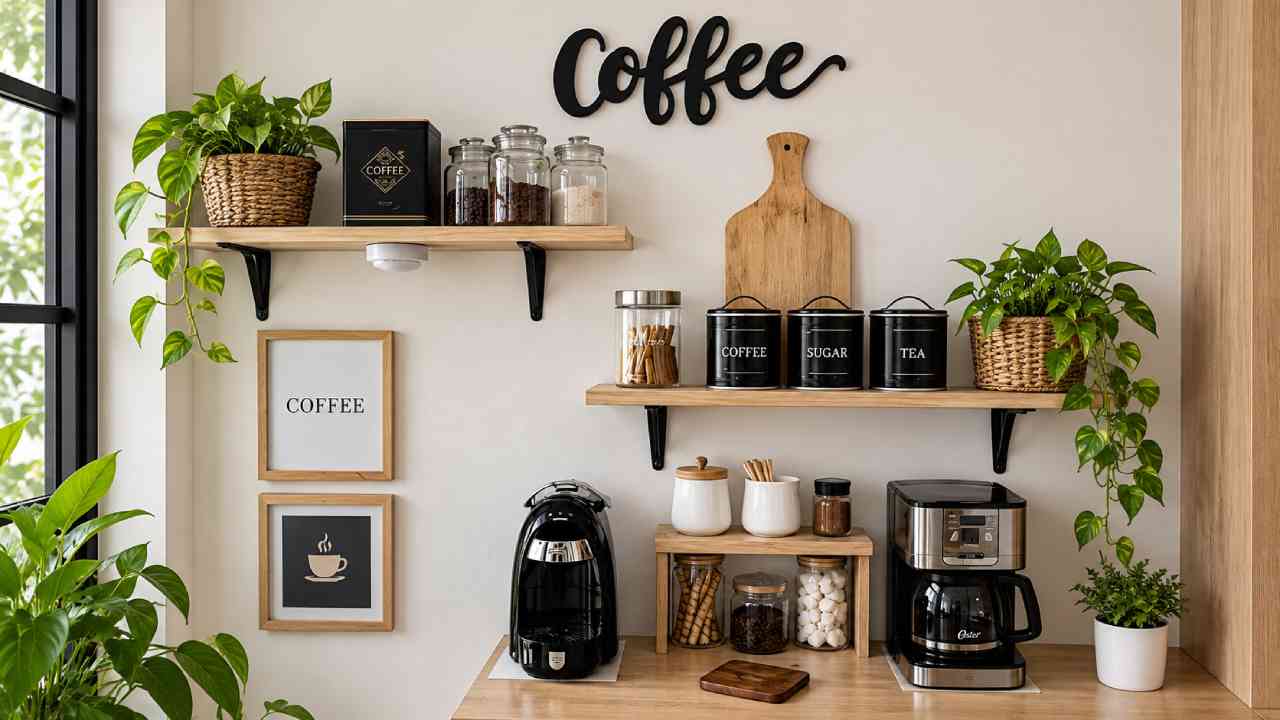
Limited space should not prevent anyone from creating a useful Coffee station. Instead, smaller areas often encourage smarter design decisions. A compact cabinet can hold a machine or pour-over setup on top, while drawers store filters, spoons, and extra supplies. Meanwhile, floating shelves can use empty wall space without consuming valuable floor area. Vertical storage is particularly useful because mugs, jars, and decorative pieces can be arranged above the preparation surface. Still, every object should earn its place. Too many accessories can quickly make a small station feel cluttered. Therefore, start with equipment that is used regularly. A grinder, kettle, brewer, beans, and several mugs may be enough. Additional items can be introduced later. In my view, a small coffee corner often feels more inviting than an oversized station because everything remains within easy reach. The result can feel organized, intimate, and purposeful rather than crowded.
Choosing the Right Location Makes a Major Difference
Before buying shelves or decorative accessories, choosing the right location is essential. Ideally, a Coffee corner should sit near an electrical outlet if it includes a grinder, kettle, or espresso machine. Access to water is also useful, although the station does not need to be directly beside the sink. A kitchen countertop is the obvious choice, but it is not the only one. An unused dining-room cabinet, hallway nook, or small sideboard can work surprisingly well. However, avoid locations where heat, direct sunlight, or moisture could affect stored coffee beans. Convenience should guide the decision. If coffee is part of the morning routine, the station should be easy to reach without interrupting other kitchen activities. Additionally, consider how cabinet doors and drawers open around the area. A beautiful setup becomes frustrating when equipment blocks normal movement. Good placement, therefore, creates a balance between visual appeal and everyday practicality.
Essential Coffee Equipment Should Come Before Decoration
A stylish setup becomes much more satisfying when it actually works well. Therefore, begin with brewing equipment before choosing decorative pieces. The exact tools depend on personal habits. Espresso drinkers may prioritize an espresso machine and grinder. In contrast, manual-brew enthusiasts might prefer a V60, French press, AeroPress, Chemex, or moka pot. An electric kettle is useful for several brewing methods. Meanwhile, airtight containers can help keep beans organized. Mugs should also remain close enough to grab easily. The goal is not to display every piece of coffee equipment available. Instead, the station should reflect how its owner actually prepares drinks. For example, someone who makes one pour-over every morning needs far less equipment than a household that regularly prepares cappuccinos. This distinction matters because creative lifestyle design works best when appearance supports real behavior. Once the essential tools have clear positions, decorative elements can be introduced without compromising the station’s usefulness.
Warm Materials Help Create a Cozy Café Atmosphere
Materials strongly influence how a Coffee corner feels. Natural wood can instantly bring warmth to a space, particularly when paired with ceramic mugs and soft lighting. On the other hand, black metal, glass, and stainless steel create a more contemporary café aesthetic. Neither approach is inherently better. The best choice depends on the surrounding interior. For a Japandi-inspired room, pale wood, neutral ceramics, and simple storage containers work beautifully. A vintage-inspired setup can include darker timber, retro mugs, and framed coffee artwork. Meanwhile, a modern minimalist station may rely on clean lines and a restrained color palette. Texture also matters. A woven tray, linen napkin, or small wooden board can prevent a countertop from looking flat. However, decoration should remain controlled. One plant and a framed print may create more impact than ten unrelated ornaments. Ultimately, consistency makes a compact corner look deliberate rather than randomly assembled.
Smart Storage Keeps the Countertop Calm and Organized
Good storage is often the difference between a charming coffee station and a crowded countertop. Frequently used items should remain visible and accessible. Less important supplies can stay inside drawers, baskets, or cabinets. For example, everyday beans can sit in an airtight container near the grinder. Extra bags, cleaning supplies, and spare filters can remain hidden below. Likewise, wall-mounted hooks can hold several favorite mugs without taking up counter space. A small tray is another useful addition because it visually groups items such as syrup bottles, spoons, or sugar containers. More importantly, it makes cleaning easier. Instead of moving several objects individually, the entire tray can be lifted at once. Labels may also help when several beans or brewing ingredients are stored together. Nevertheless, organization should remain flexible. Coffee habits change over time. Therefore, storage should adapt rather than forcing every new item into an already crowded arrangement.
Personal Details Make the Space Feel More Meaningful
The most memorable Coffee corners usually contain something personal. A perfectly coordinated station may look impressive, yet a few meaningful objects can make it feel genuinely lived in. Perhaps a ceramic mug came from a favorite trip. A framed photograph might recall a memorable café. Alternatively, a small collection of beans from different regions can reflect an interest in tasting new flavors. Books can also become part of the design, especially when they relate to brewing, food, travel, or photography. These details tell a story without requiring elaborate decoration. However, restraint remains important. Personalization should add character rather than visual noise. I find that two or three meaningful pieces often create more warmth than a shelf filled with generic décor. After all, creative lifestyle design is not about reproducing a showroom. It is about shaping everyday surroundings around individual habits, memories, and interests.
A Home Coffee Ritual Can Encourage Slower Mornings
For many people, making Coffee is one of the first activities of the day. Turning that routine into a small ritual can change how the morning feels. Grinding beans, heating water, and waiting for a pour-over to finish naturally require attention. Even an automatic machine creates a short moment to prepare a mug and enjoy the aroma. This does not mean every morning must become a slow-living performance. Busy schedules are real, and convenience matters. Still, a well-organized corner removes some friction from the process. Everything has a familiar place, so preparation becomes calmer. On weekends, the same station can support a slower routine with a book, music, or homemade breakfast. Therefore, the value of the space is not measured only by its appearance. Its real strength comes from supporting a daily habit that feels pleasant and personal.
Read Also: Quantum Dot Display Technology Brings Brighter and More Precise Colors
Budget-Friendly Ideas Can Still Look Thoughtfully Designed
Creating an attractive Coffee corner does not require expensive furniture or professional interior work. In many cases, existing pieces can be reused. An old sideboard may become a coffee cabinet after a simple cleaning or repainting. Floating shelves can provide inexpensive vertical storage. Meanwhile, secondhand ceramic mugs and small trays can introduce personality without significantly increasing the budget. Brewing equipment can also remain simple. A French press, moka pot, or pour-over dripper requires far less space than a large espresso machine. Rather than purchasing everything at once, build the station gradually. Start with brewing essentials and observe how the space works for several weeks. Then, add storage or decoration where a genuine need appears. This approach reduces unnecessary purchases and often creates a more authentic result. Furthermore, gradual styling allows the corner to evolve naturally with changing tastes and routines.
Lighting Can Turn an Ordinary Corner Into a Cozy Feature
Lighting deserves more attention because it can dramatically change a small Coffee station. Strong overhead lighting is useful while preparing drinks, but softer illumination creates a more relaxing atmosphere. A small table lamp can work if there is enough counter space. Alternatively, under-shelf lighting can brighten the preparation area without adding clutter. Warm light tends to complement wood, ceramics, and darker coffee tones particularly well. Natural daylight is another advantage when available. However, direct sunlight should not constantly hit stored beans because heat and light are not ideal for maintaining quality. Decorative lighting should also remain practical and safely positioned away from water or hot equipment. In the evening, gentle illumination can turn the station into an inviting feature even when nobody is brewing anything. Consequently, lighting does more than improve visibility. It helps define the coffee corner as a distinct part of the home’s atmosphere.
Coffee Corners Show How Small Changes Can Improve a Home
A successful Coffee corner demonstrates that meaningful interior changes do not always require more square footage. Instead, thoughtful organization can give an existing area a new purpose. A forgotten countertop becomes a morning destination. An empty wall gains useful shelving. Meanwhile, everyday mugs and brewing tools become part of the room’s visual identity. The concept also combines several creative lifestyle ideas at once: organization, personal expression, interior styling, and mindful routines. Most importantly, there is no universal formula. Some people will prefer a minimalist station with only a grinder and brewer. Others may enjoy displaying colorful mugs, plants, books, and different beans. Both approaches can work when they reflect genuine habits. Ultimately, the best coffee corner is not necessarily the most expensive or photogenic. It is the one that makes preparing a favorite drink easier while adding a little warmth to everyday life.