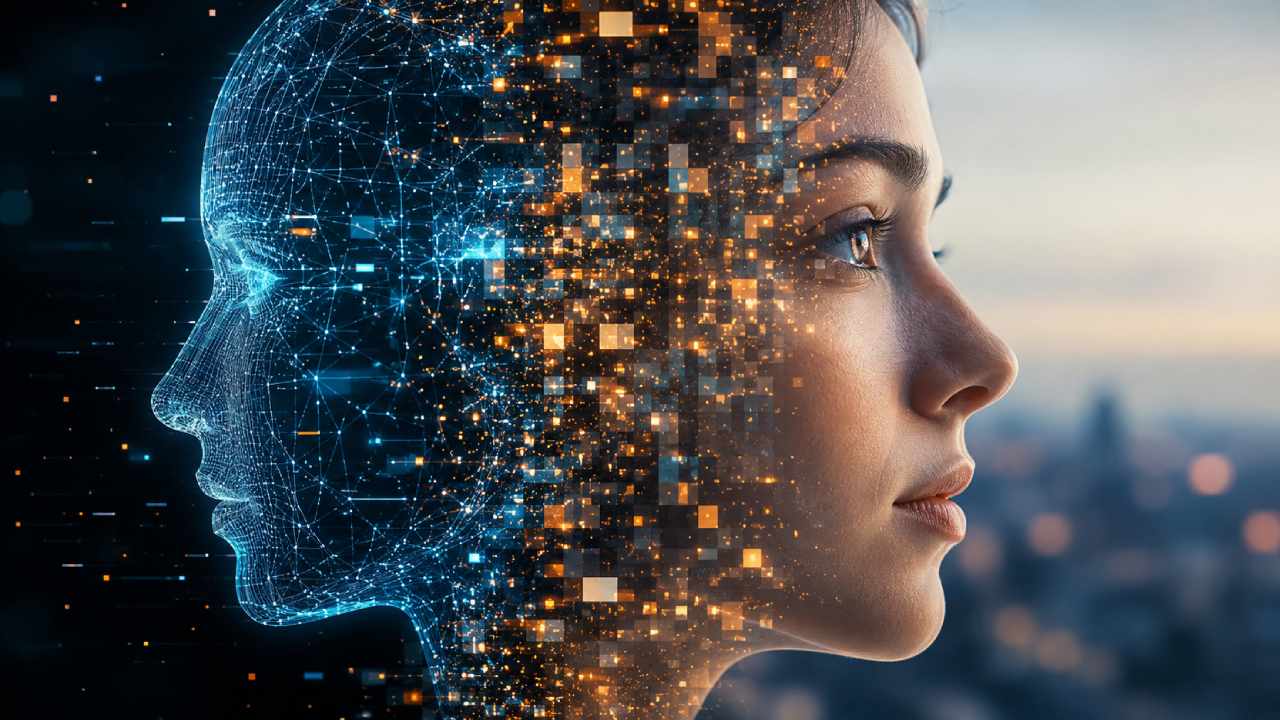
Mayumiotero – Visual AI Begins to reshape how people see and understand digital content. Just a few years ago, heavily edited images were often easy to spot. Strange shadows, distorted hands, and unnatural textures usually revealed that a picture had been digitally created. However, technology has moved much faster than many expected. Today, artificial intelligence can create visuals that look almost identical to real photographs. As a result, people are entering a new digital landscape where the line between reality and computer-generated content becomes increasingly difficult to identify.
Read Also: Chinese Youth Creates AI “Professor” to Challenge Old-Fashioned Parenting Advice
Visual Technology Is Moving Faster Than Most People Expected
The growth of visual technology has become one of the most noticeable changes in the digital world. Previously, creating realistic images required professional designers and advanced software. Now the process looks very different. AI systems can generate highly detailed images within seconds. Because of that, content creation has become faster and more accessible. In many cases, a person only needs a simple text description to create visuals that once required hours of manual work.
Human Eyes Were Never Designed for Artificial Precision
Humans naturally rely on visual information every day. People trust what they see because vision has always played a major role in understanding reality. However, the situation is changing. AI-generated visuals can now recreate reflections, lighting effects, skin texture, and even emotional expressions with surprising accuracy. Therefore, many people are beginning to realize that their eyes may no longer be enough to verify authenticity.
Digital Images Are Becoming More Convincing Than Ever
Several years ago, generated images often contained obvious mistakes. Fingers appeared in the wrong shape, faces looked strange, and objects blended unnaturally into the background. Today, those flaws are becoming less common. Modern AI models learn from enormous datasets and continue improving through repeated training processes. Consequently, the generated results often appear clean and believable. Sometimes viewers cannot immediately recognize whether they are looking at a photograph or an artificial creation.
Social Media May Feel Different in the Future
Social media platforms already depend heavily on visual content. Photos, short videos, and digital graphics dominate user feeds every day. However, the rise of Visual AI could change user experiences significantly. Imagine scrolling through images that look authentic but were never captured by a camera. This possibility creates both excitement and uncertainty. While creativity expands, trust may become harder to maintain.
Creative Industries Are Entering a New Chapter
Many creative professionals have started adapting to these technological shifts. Designers, photographers, and content creators now use AI tools to speed up their work. Instead of replacing creativity completely, many experts see AI as a supportive instrument. For example, an artist can build concepts faster and explore multiple ideas within minutes. Therefore, technology may become more of a collaborative partner rather than a complete replacement.
Questions About Authenticity Continue to Grow
Although technological progress brings opportunities, it also creates new concerns. One major issue involves authenticity. People often use images as proof of events or experiences. Yet AI-generated visuals may complicate that process. In some situations, false images can spread rapidly before anyone verifies them. Consequently, digital literacy becomes increasingly important for everyday internet users.
Read Also: The Future of Workspaces: Office Design Trends That Feel More Human
The Emotional Impact of Visual AI Should Not Be Ignored
Images affect human emotions in powerful ways. A single picture can create happiness, fear, excitement, or sadness within seconds. Therefore, realistic AI visuals may influence people more deeply than expected. Imagine seeing an emotional image online that appears real but was entirely generated by software. The experience can feel genuine even if the event never happened. Because of this, emotional awareness will become as important as technological understanding.
Distinguishing Reality May Become a New Digital Skill
In previous generations, people learned how to search for information online. Today, a different skill may become necessary. Future internet users might need to learn how to recognize manipulated or AI-generated visuals. Looking carefully at image details, checking sources, and questioning context may become daily habits. As technology evolves, critical thinking will likely become one of the most valuable abilities.
Visual AI Is Not Simply About Technology
At first glance, Visual AI appears to be only another technological trend. However, the reality feels much larger. This transformation changes how people create, communicate, and trust digital information. Every major technological shift usually brings excitement alongside uncertainty. Visual AI seems to follow the same pattern. While innovation opens remarkable possibilities, society may also need to redefine what reality means in an increasingly digital world.