Mayumiotero – Future of Workspaces has become more than a discussion about furniture, walls, and office layouts. Today, people are beginning to rethink the meaning of a workplace itself. A few years ago, many offices focused only on efficiency and structure. Rows of desks, fixed schedules, and closed spaces defined the daily routine. However, work culture has started to shift dramatically. Employees now seek environments that support comfort, creativity, and emotional well-being. As a result, companies are slowly moving away from traditional designs and creating workplaces that feel more personal and human. Interestingly, many experts believe that the future office will no longer be designed only around work tasks. Instead, it will be built around people and the way they naturally live and interact.
Read Also: Apple Sports Officially Launches in Indonesia Ahead of the 2026 World Cup
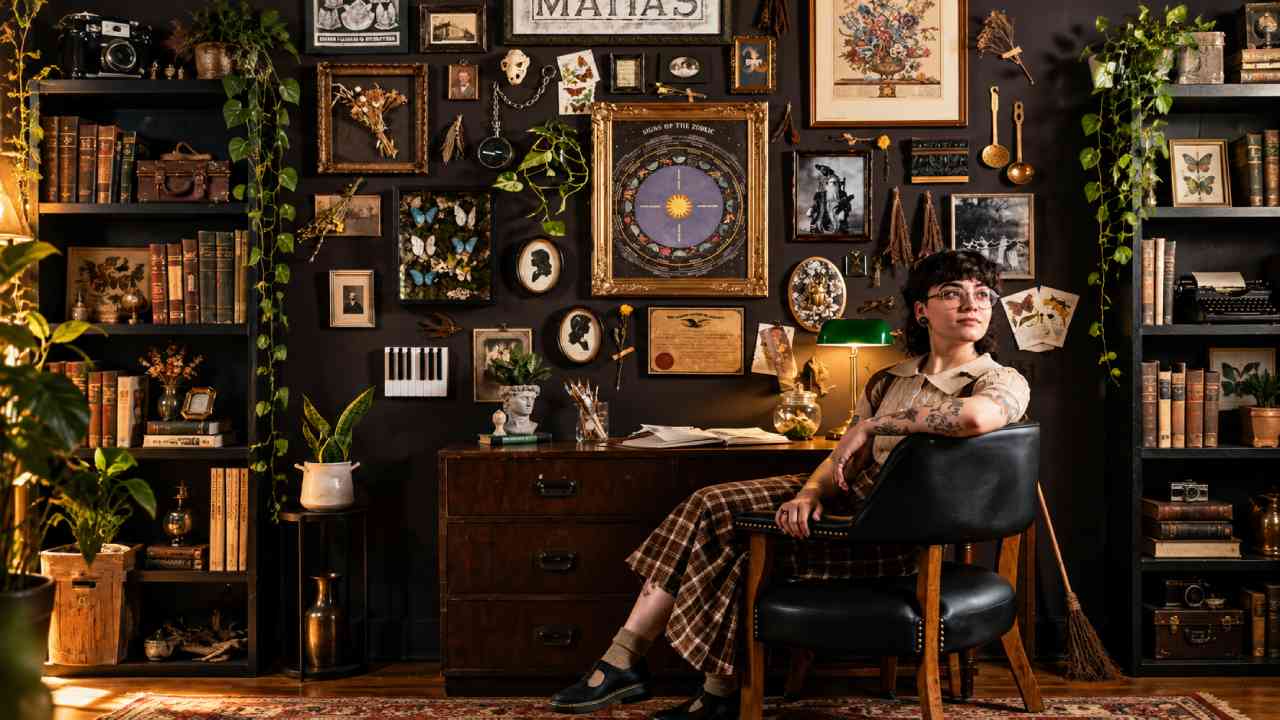
Workspaces Are No Longer Just Places to Work
In the past, the office was simply a location where employees completed tasks and attended meetings. However, the meaning of workspaces has evolved over time. Today, many organizations see offices as environments that shape experiences and influence emotions. People spend a large portion of their lives at work. Therefore, the atmosphere around them matters more than many once realized. A workplace can affect mood, focus, and even long-term motivation. Consequently, modern companies are starting to ask an important question. How can a workspace help people feel better instead of making them feel exhausted? This question has become one of the biggest drivers behind new workplace trends.
Natural Elements Are Becoming More Important
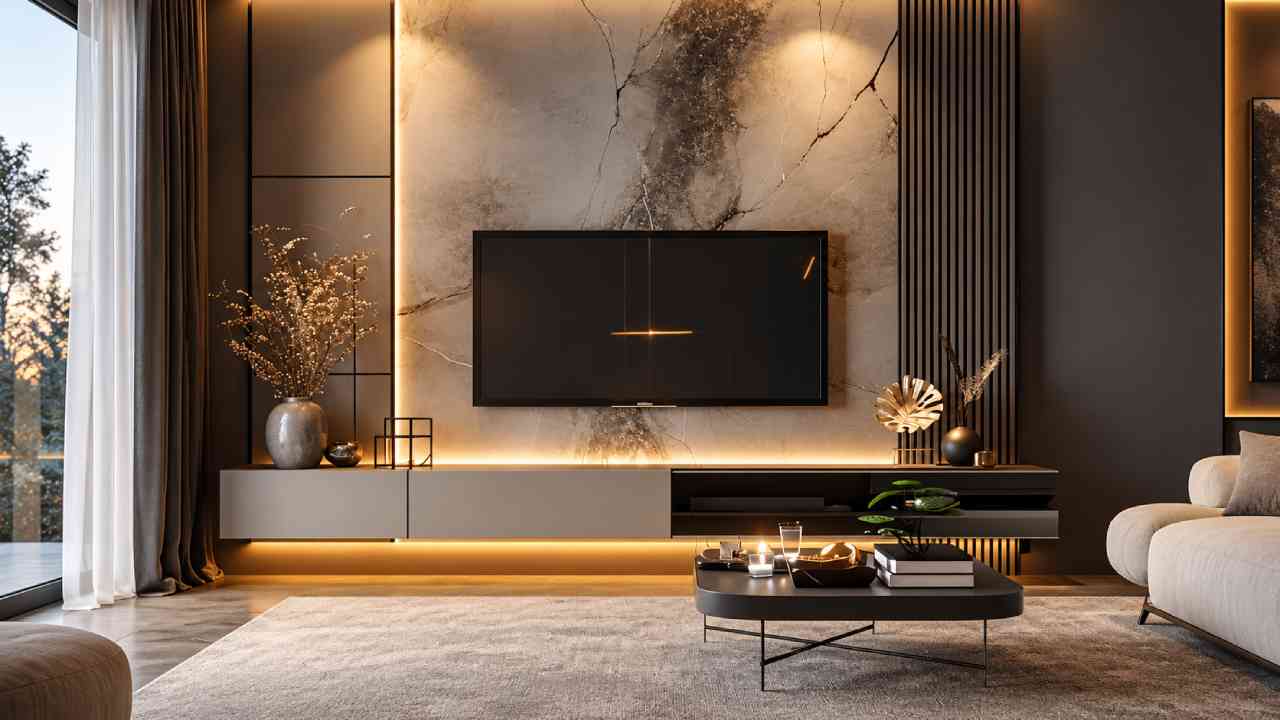
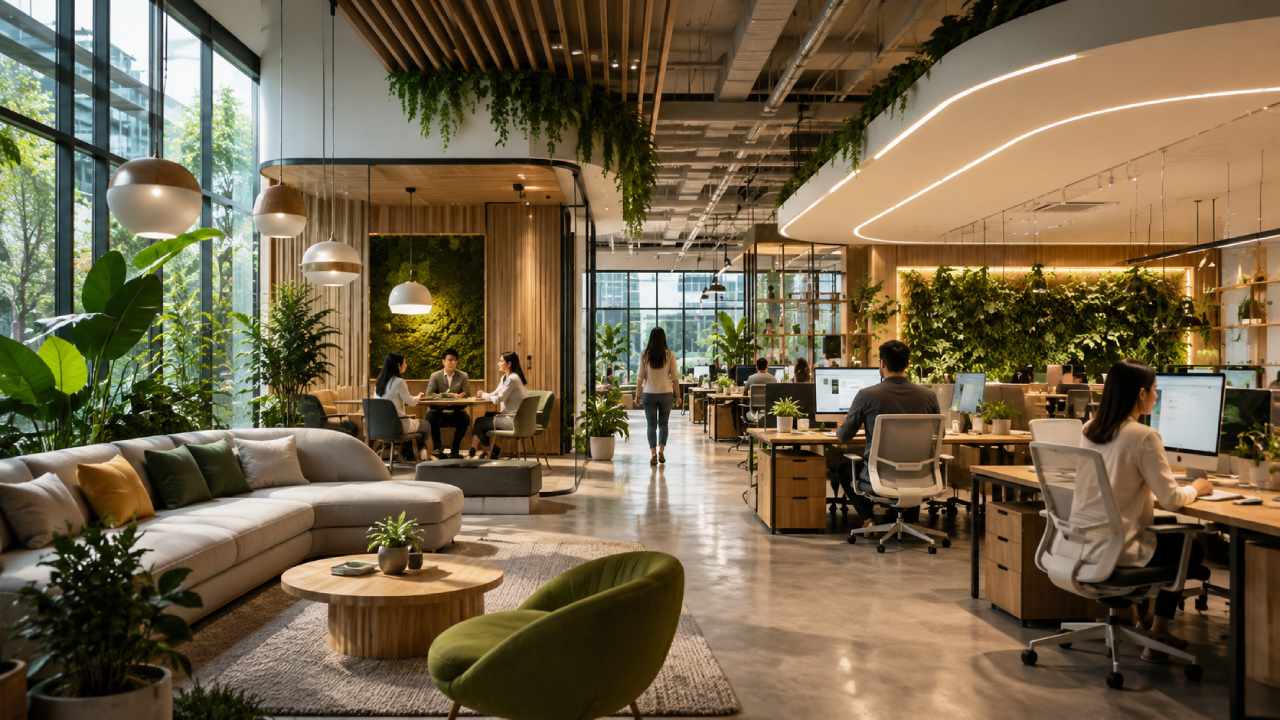
Many office designs now include natural elements because people tend to feel calmer around them. Large windows, indoor plants, and natural lighting are becoming common features in modern workplaces. In addition, designers are introducing materials such as wood, stone, and soft textures into office environments. These details may appear small at first glance. However, they can create a noticeable difference in how people feel during a workday. Studies have often linked natural environments with reduced stress and improved concentration. Because of this, offices are beginning to feel less like corporate spaces and more like places where people can comfortably spend time.
Flexible Spaces Reflect New Working Habits
Working habits continue to change every year. Consequently, office layouts are changing as well. Employees no longer spend every hour sitting in one place. Instead, they move between meetings, focused tasks, and collaborative discussions. Therefore, many companies now create flexible work areas that support different activities. Some spaces encourage teamwork, while others provide quiet zones for concentration. Interestingly, flexibility has become one of the strongest themes in modern office design. Rather than forcing people into a single working style, offices are adapting to different needs and preferences.
Comfort Is Quietly Becoming a Business Strategy
Many people think office comfort is only about soft chairs or attractive decoration. However, comfort goes much deeper than appearance alone. It includes lighting quality, noise control, air circulation, and even emotional balance. Employees who feel comfortable often work with greater focus and stronger motivation. As a result, many companies are beginning to treat workplace comfort as an investment rather than an expense. This shift is interesting because businesses once prioritized productivity alone. Today, they increasingly understand that people perform better when they feel physically and mentally supported.
Technology Is Blending Into Human-Centered Design
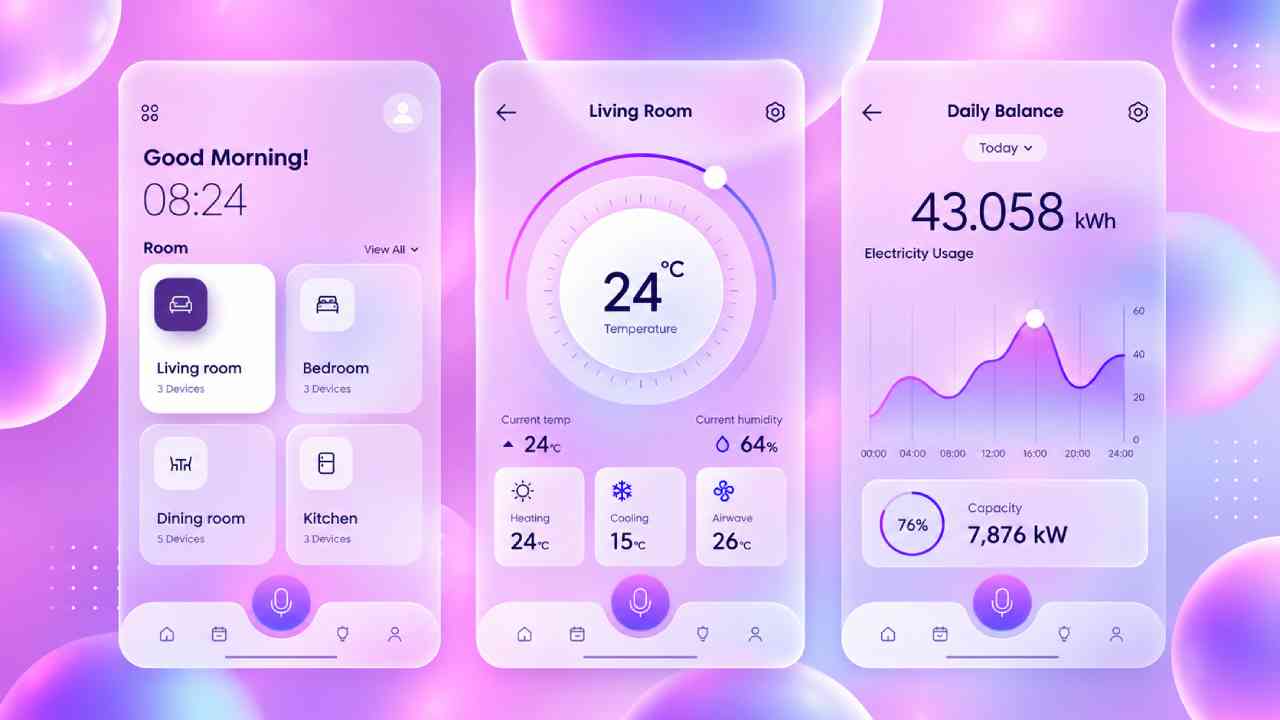
Technology has become part of nearly every workplace experience. However, future workspaces are not simply adding more screens and devices. Instead, technology is becoming more integrated and less visible. Smart lighting systems can adjust automatically throughout the day. Meeting rooms can support seamless collaboration between remote and in-office teams. In addition, digital systems can reduce repetitive tasks and improve efficiency. The goal is not to overwhelm people with technology. Instead, it is to create smoother experiences that allow employees to focus on meaningful work.
Read Also: Creative Desserts That Turn Everyday Treats Into Edible Art
Collaboration Spaces Are Replacing Traditional Meeting Rooms
Traditional meeting rooms often feel formal and restrictive. Because of this, many companies are redesigning collaboration areas to feel more relaxed and inviting. Comfortable seating, open layouts, and creative environments now play a larger role in workplace planning. Interestingly, informal conversations sometimes lead to stronger ideas than structured meetings. People often think differently when they feel relaxed and comfortable. Therefore, companies are creating environments where creativity can happen naturally rather than forcing it through rigid structures.
Mental Well-Being Is Becoming Part of Workplace Design
Mental health conversations have become more visible in recent years. As a result, workplace design has started to reflect that change. Quiet rooms, wellness spaces, and relaxation areas are becoming more common inside offices. In the past, emotional well-being was often considered separate from work performance. However, people now understand that the two are closely connected. Employees who feel mentally supported often maintain better focus and stronger engagement. Therefore, creating a healthier workplace environment is becoming a priority rather than an optional feature.
The Future of Workspaces Will Focus on Human Experience
The future workplace may look very different from the offices people knew in previous generations. However, one important idea appears to remain consistent. People want spaces that understand human needs. While technology and design trends will continue evolving, the purpose behind them seems increasingly clear. Offices are no longer being designed around desks and schedules alone. Instead, they are being built around human experiences. In many ways, the future of workspaces may not be about changing offices at all. Rather, it may be about changing how people feel when they enter them.