Mayumiotero – Home Music Studio is no longer a distant dream reserved for professionals with expensive equipment. Today, anyone with a laptop and a passion for music can begin producing songs right from their bedroom. Interestingly, this shift has changed how music is created worldwide. Many successful producers actually started in small, simple spaces. Therefore, building your own creative environment at home is not only possible but also practical. In this article, we will explore how a home music studio can transform your creativity into real sound.
“Read Also: OpenAI Shuts Down Sora: The Rise and Sudden Fall of a Viral AI Video Creator“
Understanding What a Home Music Studio Really Means
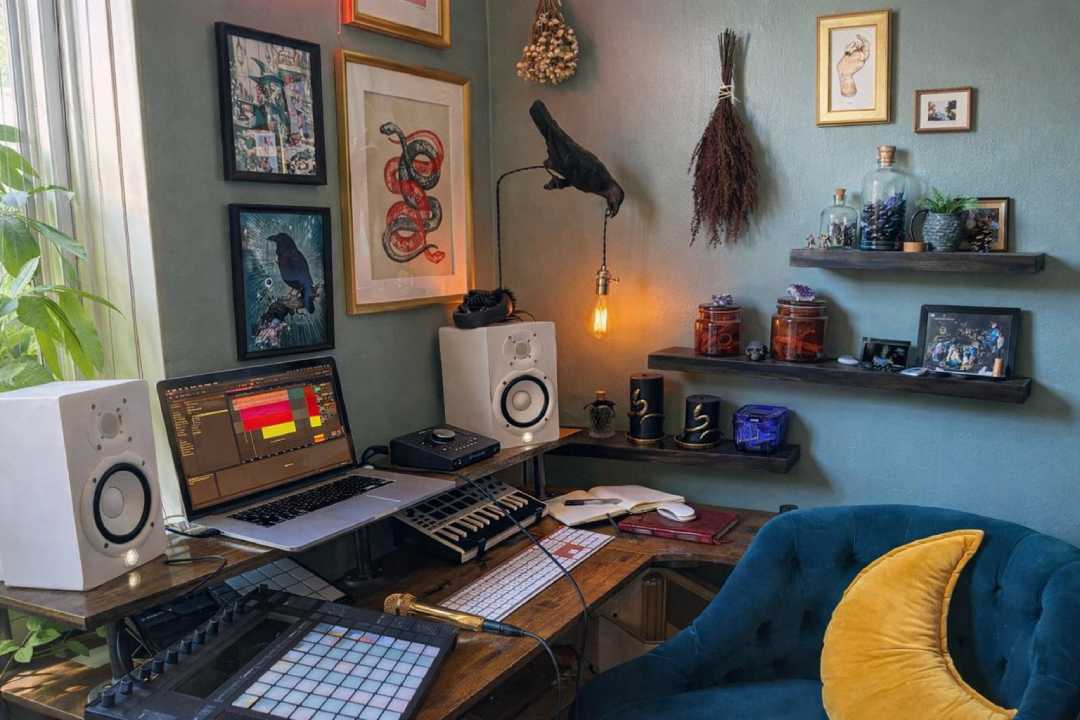
A Home Music Studio is essentially a personal space where you create, record, and edit music using digital tools. Unlike traditional studios, it does not require large mixing consoles or soundproof rooms. Instead, modern technology allows you to achieve high-quality results with minimal equipment. As a result, beginners can start small while still learning professional techniques. From my perspective, this accessibility has democratized music production, making creativity more important than budget.
Why Home Studios Are Becoming So Popular
In recent years, home studios have become increasingly popular, especially among young creators. This trend is driven by affordability, flexibility, and creative freedom. Moreover, the rise of platforms like streaming services has encouraged independent artists to produce their own music. Consequently, artists no longer depend on record labels to get started. In my opinion, this independence allows creators to experiment more and develop unique sounds without pressure.
Essential Tools You Need to Get Started
To begin with, you only need a few basic tools to build a functional Home Music Studio. A laptop, headphones, and a Digital Audio Workstation such as FL Studio or Ableton Live are enough for beginners. Additionally, a MIDI controller and a simple microphone can enhance your workflow. Although these tools are simple, they are powerful enough to create professional-quality music. Therefore, starting small is not a limitation but an advantage.
Choosing the Right Software for Your Style
Selecting the right software is a crucial step in building your studio. Each DAW offers unique features and workflows. For instance, FL Studio is known for its user-friendly interface, while Ableton Live excels in live performance and loop-based production. As you explore different options, you will gradually find the one that suits your creative process. Personally, I believe the best software is the one that keeps you motivated to create consistently.
Creating a Comfortable and Inspiring Space
Besides equipment, your environment plays a significant role in creativity. A clean, organized, and comfortable space can boost productivity and focus. For example, adding simple elements like lighting, wall decor, or acoustic panels can improve both mood and sound quality. Furthermore, having a dedicated area for music helps build discipline. In my experience, even a small corner can become a powerful creative hub when designed thoughtfully.
“Read Also: The AI Image Editing Revolution: Automatic Photo Editing Without Design Skills“
Learning the Basics of Music Production
Once your setup is ready, the next step is learning the fundamentals of music production. This includes understanding rhythm, melody, mixing, and sound design. Fortunately, there are many free resources available online. As you practice regularly, your skills will improve naturally. Importantly, mistakes are part of the learning process. Therefore, consistency matters more than perfection when starting out.
Turning Ideas into Finished Tracks
One of the most exciting aspects of having a Home Music Studio is the ability to turn ideas into complete songs. Initially, you might start with simple beats or melodies. However, over time, these ideas can evolve into full productions. Additionally, layering sounds and experimenting with effects can bring your music to life. From a creative standpoint, this process is where your unique identity begins to form.
Sharing Your Music with the World
Finally, sharing your music is an essential part of the journey. With platforms like streaming services and social media, reaching an audience has become easier than ever. As a result, independent artists can build their own communities. Moreover, feedback from listeners can help you grow and improve. In my opinion, releasing your work, even if it is not perfect, is a powerful step toward becoming a confident creator.