Mayumiotero – 2026 Interior Design Trends are set to redefine the way we approach home decor, focusing on personalization, authenticity, and storytelling. As we move into the new year, these trends highlight the importance of creating spaces that are not only stylish but also deeply meaningful. Homeowners are looking for designs that reflect their unique personalities and life stories, creating environments that are both functional and emotionally resonant. In this article, we’ll explore the key trends in interior design for 2026 and how they emphasize personal expression and a connection to the world around us.
“Read Also:How to Make Google Put Your Preferred Sources at the Top When You Search“
The Shift Toward Personalization in Design
In 2026, interior design is moving away from generic, cookie-cutter spaces and embracing personalization. People want their homes to tell their stories. This trend reflects a broader desire for individuality and connection to one’s environment. For example, custom furniture pieces, art collections, and curated home decor are gaining popularity. Homeowners now prefer personalized items, incorporating elements that reflect their journeys, memories, and values.
Moreover, digital tools and virtual reality are making personalization easier than ever. Virtual design tools let people visualize their space and see how favorite pieces will look before buying. This access to technology is making personalized design more accessible and appealing to a broader audience.
Authentic Materials: Natural, Sustainable, and Timeless
Authenticity is one of the most significant themes in 2026 Interior Design Trends. Natural and sustainable materials are being prioritized, as people become more aware of the environmental impact of their choices. Wood, stone, and natural textiles like linen and cotton are making a strong comeback. These materials not only look beautiful but also bring a sense of warmth and history into a space.
For example, wood paneling, once considered outdated, is now making a comeback, but with a twist—people are opting for reclaimed wood or sustainably sourced options. This shift reflects the growing emphasis on sustainability and authenticity in design. Using materials that are not only beautiful but also ethical gives a sense of purpose to the space.
Storytelling Through Design: Creating Meaningful Spaces
The trend of storytelling in design has emerged as a powerful tool for creating spaces that feel connected to the individuals who inhabit them. 2026 Interior Design Trends emphasize creating narratives through the use of decor, color, and design elements that evoke specific emotions or memories. People are adding items with personal significance, like heirlooms, souvenirs, or custom art.
Living rooms might feature photos from past adventures, while dining rooms could showcase handmade ceramics. This narrative-driven approach allows homeowners to create spaces that feel deeply connected to their experiences and values.
The Return of Vintage and Retro Designs
A key element of 2026 Interior Design Trends is the growing interest in vintage and retro designs. Rather than relying solely on modern, minimalist furniture, many are incorporating pieces from past decades that reflect both nostalgia and a desire for individuality. These vintage items are often combined with more contemporary designs to create a unique fusion of old and new.
For example, mid-century modern furniture, which emphasizes clean lines and functional design, continues to be a favorite choice for many. When paired with bold, contemporary colors or sustainable materials, it offers a timeless yet modern aesthetic that feels both fresh and familiar.
Color Palettes in 2026: Muted, Earthy Tones with Bold Accents
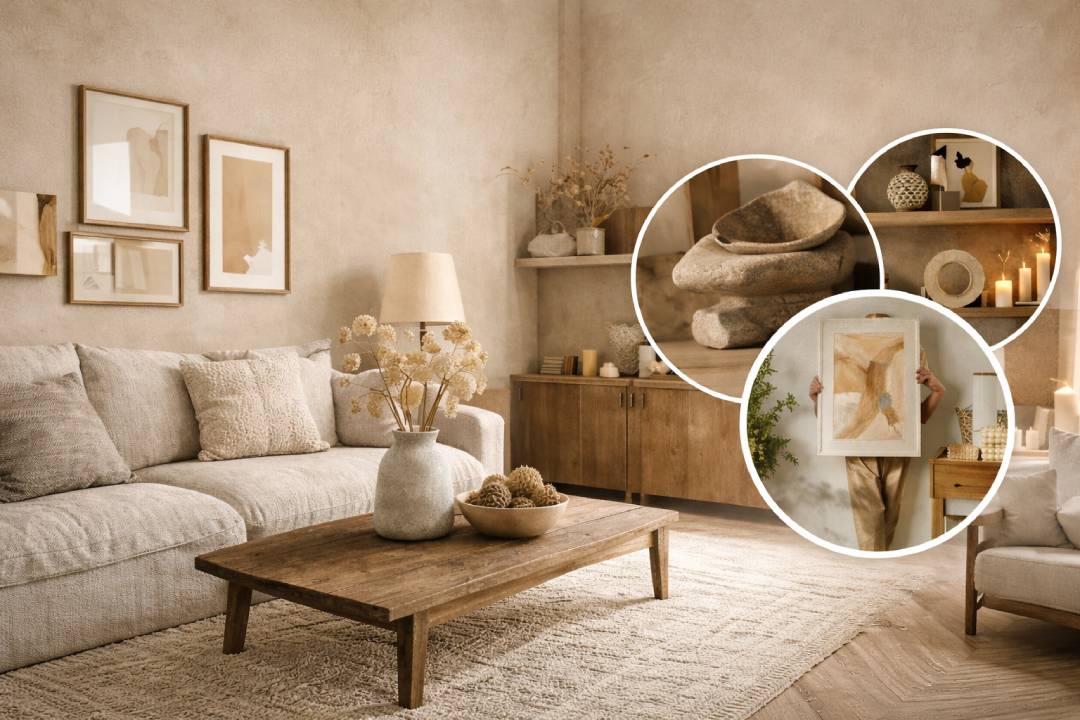
Color is one of the easiest ways to personalize a space, and in 2026 Interior Design Trends, muted, earthy tones are taking center stage. These soft shades, including warm beiges, terracotta, and sage green, create a calming, grounded atmosphere that encourages relaxation and mindfulness.
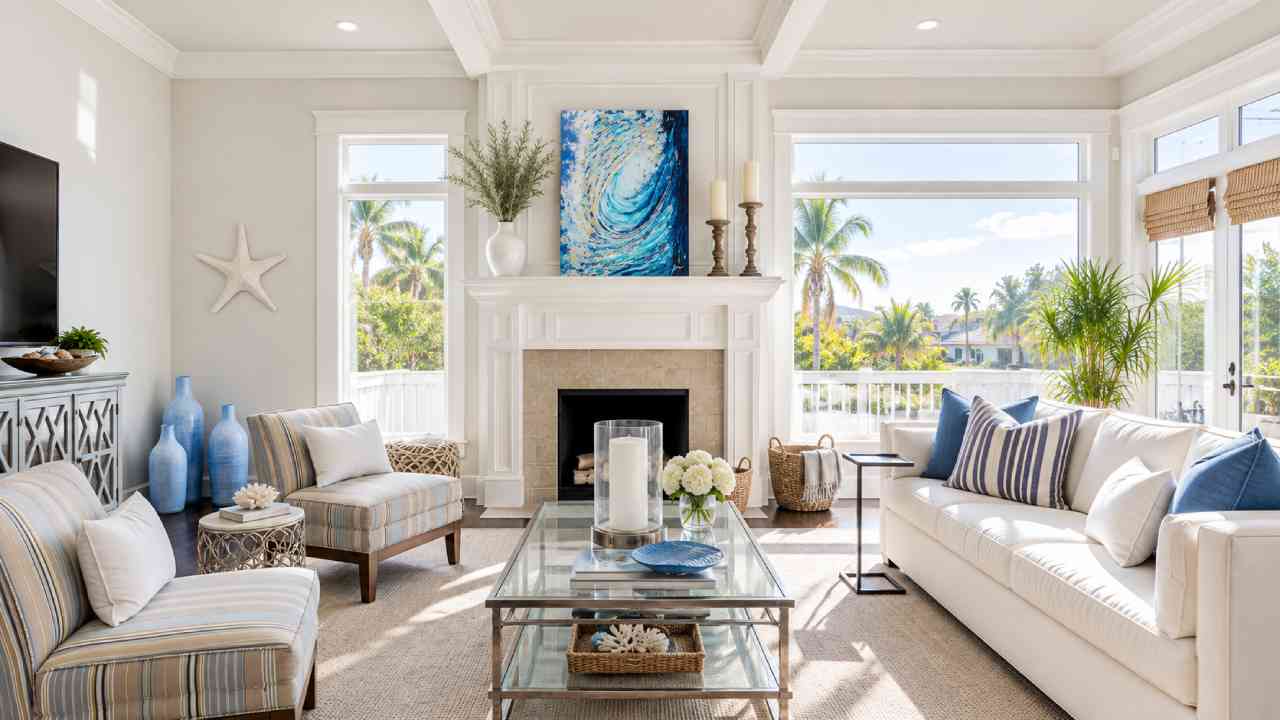
However, designers are also incorporating bold accent colors to add vibrancy and energy to the space. For example, a living room with soft, neutral tones may be highlighted with vibrant yellow or deep blue pillows, creating a visual pop that draws attention. This balance between subtle and bold hues is one of the defining characteristics of interior design in 2026.
The Rise of Multi-Functional Spaces
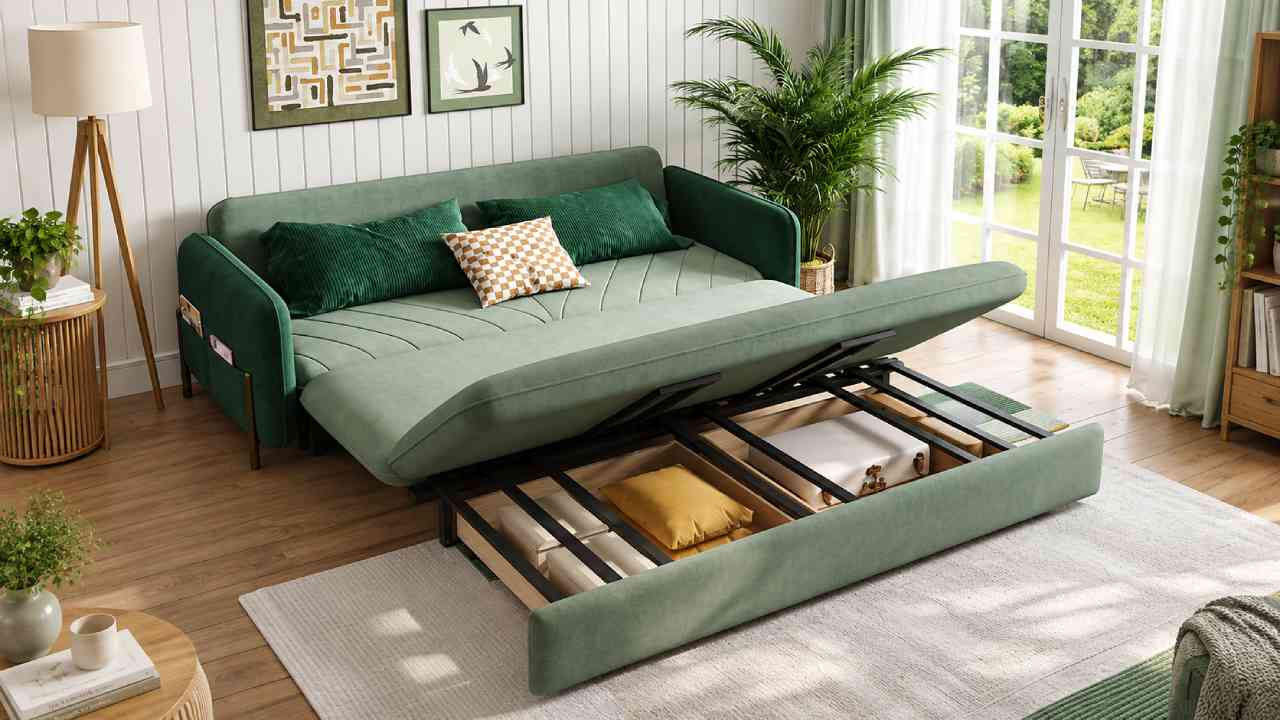
As 2026 Interior Design Trends evolve, there is a growing emphasis on multi-functional spaces. With the rise of remote work and flexible living arrangements, many people are transforming their homes to serve multiple purposes. For example, a home office might double as a guest room, or a kitchen island might serve as both a dining area and a workspace.
This trend has been driven by the need for efficiency and adaptability in the modern home. Moreover, the design of these spaces emphasizes comfort, organization, and seamless transitions between activities, ensuring that homes remain functional without sacrificing style.
Sustainability in Design: Eco-Friendly Solutions
Sustainability continues to be a driving force in 2026 Interior Design Trends. Consumers are increasingly interested in creating eco-friendly homes by incorporating sustainable materials, energy-efficient appliances, and waste-reducing designs. For example, solar panels, water-saving fixtures, and energy-efficient lighting are becoming more common in modern homes.
Moreover, many people are embracing a minimalist approach to reduce waste and clutter. This trend not only helps the environment but also promotes a lifestyle that values quality over quantity. By investing in sustainable, high-quality items, homeowners are making long-term decisions that benefit both their living spaces and the planet.
“Read Also: Driverless Taxis Set to Launch in the UK by September“
Technology Integration: Smart Homes and IoT
Another prominent trend in 2026 Interior Design Trends is the integration of technology into home spaces. Smart home devices and IoT (Internet of Things) are becoming integral parts of interior design. From smart thermostats to voice-activated lighting systems, technology is making it easier to control and optimize living spaces.
For example, kitchens are now equipped with smart refrigerators that track inventory and suggest recipes, while living rooms feature voice-activated sound systems that can play music, control lighting, and adjust the room’s temperature. This integration of technology enhances convenience while maintaining the aesthetic integrity of the home.
A New Era of Personal and Authentic Design
2026 Interior Design Trends are focused on creating spaces that are deeply personal, authentic, and narrative-driven. By embracing individuality, sustainability, and technology, these trends reflect the evolving needs and desires of homeowners. Whether through natural materials, multi-functional spaces, or personalized decor, 2026 is the year to create homes that reflect your unique story.
As we move into this new era of design, it’s clear that the future of interior design will continue to be shaped by the desire for authenticity, comfort, and individuality.