Mayumiotero – Visual Friction has become a powerful design approach in an era where users face constant visual overload. Moreover, people scroll quickly and often ignore predictable layouts. However, when a design intentionally disrupts expectations, the user’s attention pauses for a moment. As a result, their brain becomes more engaged in processing the message. Ultimately, Visual Friction is not about making things difficult, but about creating meaningful interruptions that pull focus toward what truly matters.
“Read also: BBVA Embeds AI at the Core of Banking to Redefine Risk and Service“
How Activates Cognitive Engagement
The human brain relies heavily on pattern recognition. Therefore, when it encounters familiar compositions, it tends to overlook them instantly. However, introducing an unexpected color shift, angle, or asymmetry can immediately trigger curiosity. Additionally, users spend more time interpreting the unusual element, which leads to stronger memory recall. In contrast, smooth and predictable designs often fade into the background. Consequently, Visual Friction becomes a deliberate tool to boost cognitive participation.
Using as a Storytelling Device
Designers often use Visual Friction to guide narratives within visual communication. For example, a poster about social inequality may use uneven spacing to symbolize imbalance. Furthermore, unusual typography placements can subtly introduce emotional tension. In addition, friction invites users to fill interpretative gaps, making them mentally co-create the message. Therefore, Visual Friction enhances storytelling by embedding meaning into intentional visual disruptions. Ultimately, it transforms a passive viewer into an active participant.
The Key Difference Between Visual Friction and Bad Design
Many assume Visual Friction equals poor design, but the two concepts are entirely different. In reality, Visual Friction is purposeful and calculated, not accidental. Moreover, it aims to challenge perception while maintaining usability. Conversely, bad design creates confusion without intention or clarity. Therefore, friction must be placed strategically and sparingly. When done correctly, it elevates the message rather than obstructing it. Thus, Visual Friction becomes a sophisticated design choice rather than a flaw.
Examples in Modern Branding and Interfaces
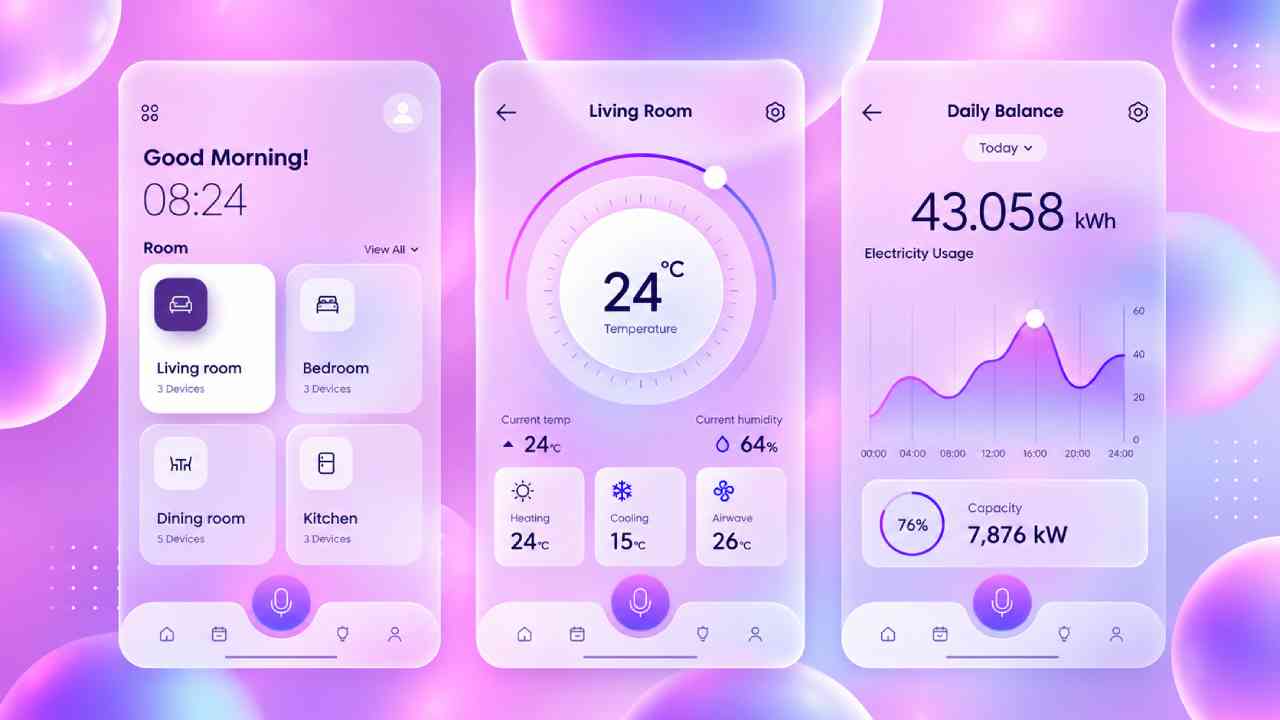
Numerous brands have embraced Visual Friction as part of their identity. For instance, Spotify frequently uses unexpected color clashes and bold typography. Similarly, fintech apps incorporate diagonal elements or non-symmetric movements to emphasize key actions. Meanwhile, high-fashion magazines use friction to evoke mystery and edginess. Additionally, these brands use friction to spark recognition and emotional resonance. As a result, their visuals stand out in crowded digital environments. Thus, Visual Friction becomes a long-term branding advantage.
“Read also: From Experiments to Action: How Autonomous AI Will Redefine 2026“
The Risks of Overusing Visual Friction
While Visual Friction is effective, it must be used with restraint. Otherwise, excessive disruption can overwhelm users and reduce clarity. Moreover, friction that does not support the message may feel forced or gimmicky. In some cases, audiences may abandon the interface entirely if the experience becomes uncomfortable. Therefore, designers must balance surprise with usability. When thoughtfully applied, friction enhances engagement without sacrificing comprehension. Ultimately, moderation is the key to maintaining impact.
How Designers Determine the Right Level of Friction
Finding the right amount of friction requires understanding the audience and context. To begin with, designers evaluate the purpose of the visual communication. Additionally, A/B testing can reveal whether friction helps or hinders interaction. Furthermore, heatmaps and eye-tracking tools provide insights into natural user behavior. Based on these findings, designers can calibrate friction levels with precision. Therefore, decisions about friction should rely on both creativity and data. In essence, the best friction is intentional, relevant, and user-informed.
Why Visual Friction May Shape the Future of Digital Design
Visual Friction aligns closely with the future of design innovation. As digital spaces grow more saturated, users increasingly crave visuals that break monotony. Consequently, friction can serve as a refreshing form of differentiation. Moreover, it strengthens brand identity by offering distinctive experiences. In addition, the technique encourages deeper emotional and cognitive responses. Ultimately, Visual Friction represents a bridge between aesthetic experimentation and psychological insight. Thus, it is poised to become a defining strategy in modern visual communication.