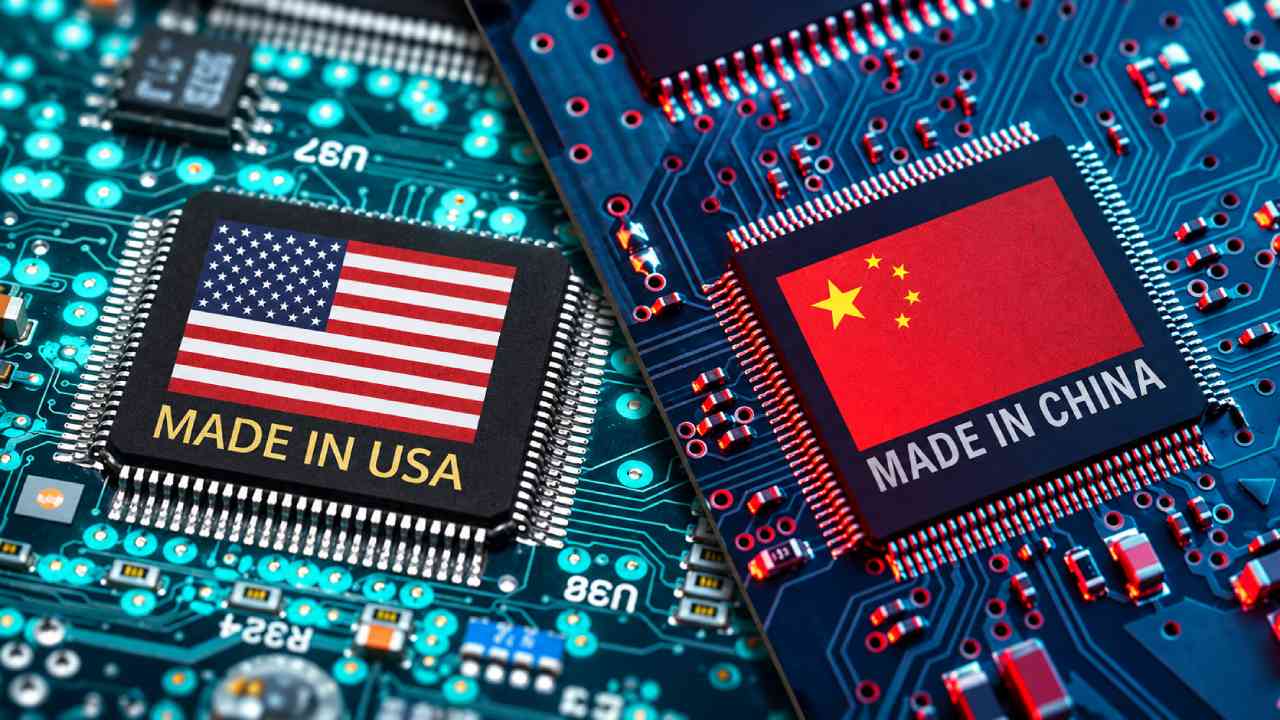
Mayumiotero – US Chip restrictions are creating fresh uncertainty across the global semiconductor industry. Taiwan Semiconductor Manufacturing Company (TSMC) and Samsung Electronics have reportedly paused selected chip shipments to China. The move follows tighter American export controls targeting advanced semiconductor technology. These restrictions mainly concern technologies that could support artificial intelligence development. As a result, affected Chinese companies must secure additional approvals before receiving certain products. However, the situation involves more than a temporary shipping delay. It also reflects the growing importance of semiconductor manufacturing in global technology competition. Modern processors support smartphones, data centers, and advanced AI systems. Therefore, even limited restrictions can influence several industries. Meanwhile, manufacturers must balance customer demand with increasingly complex regulations. The latest developments highlight how government policies can reshape technology supply chains. They also raise questions about future access to advanced manufacturing services.
TSMC and Samsung Adjust Operations Under New Export Rules
TSMC and Samsung play essential roles in the international semiconductor supply chain. Both companies provide manufacturing services and technologies used by major electronics businesses. However, tighter American regulations have complicated some relationships with Chinese customers. According to Reuters, TSMC instructed affected customers to obtain export licenses for certain chip orders. The reported measures include designs using manufacturing processes of 16 nanometers or smaller. Without the required approval, those orders cannot proceed through the usual production process. Meanwhile, Samsung has reportedly delayed selected shipments while customers complete licensing procedures. These actions do not represent a complete suspension of semiconductor exports to China. Instead, they reflect targeted compliance measures under the new restrictions. Nevertheless, even temporary delays can affect production schedules and business planning. Consequently, technology companies may need to reconsider delivery timelines and manufacturing arrangements.
Advanced Semiconductor Technology Becomes a Strategic Priority
Advanced semiconductor manufacturing has become a major focus of international technology policy. Smaller process nodes generally support improvements in transistor density and power efficiency. However, a node label does not directly represent a transistor’s physical dimensions. Modern chip performance also depends on architecture, memory, and packaging technology. Under the reported restrictions, some affected Chinese customers may still access older manufacturing processes. These include technologies commonly described as 28 nanometers and 40 nanometers. However, additional conditions may apply to advanced packaging and high-bandwidth memory. High-bandwidth memory, often called HBM, is particularly important for demanding AI workloads. It helps processors access large amounts of data efficiently. Therefore, restrictions involving these technologies can influence advanced computing development. The policy reflects a broader effort to control access to strategically important semiconductor capabilities.
Read Also: Google Gemini 4 Neon Arrives With Faster Reasoning and Smarter AI Performance
New Licensing Requirements Change the Semiconductor Business Model
The latest US Chip rules reportedly introduce stricter licensing requirements for affected customers. Previously, manufacturers could assess certain chip designs to determine whether export restrictions applied. This technical review sometimes allowed qualifying orders to proceed without individual licenses. However, the updated framework reportedly removes that option for some restricted customers. Consequently, companies must obtain formal approval before accessing specified manufacturing services. The changes also place greater attention on customer ownership and production arrangements. Shipping routes and the final destination of semiconductor products may receive additional scrutiny. These requirements create more administrative work for manufacturers and their customers. Moreover, licensing reviews can introduce uncertainty into delivery schedules. A company may finish designing its processor but still face delays before manufacturing begins. Therefore, regulatory compliance has become an increasingly important part of semiconductor production planning.
Chinese Smartphone Manufacturers Face Possible Supply Delays
The impact of tighter export controls may extend beyond advanced artificial intelligence systems. Chinese smartphone manufacturers could also experience temporary disruptions in processor supplies. Many electronics companies depend on international foundries for specialized semiconductor production. According to the Financial Times report described in the source material, some consumer electronics customers received notices about shipment delays. These delays reportedly relate to pending export license applications. However, a temporary hold does not automatically indicate a long-term shortage. Industry sources have suggested that licenses for certain consumer processors may receive approval. Even so, uncertainty can complicate manufacturing schedules and inventory planning. Smartphone brands often coordinate component deliveries months before launching new devices. Therefore, unexpected delays may require adjustments to production timelines. Meanwhile, companies with diversified suppliers could have more flexibility when managing disruptions.
China’s AI Chip Ambitions Encounter Additional Manufacturing Challenges
China has invested heavily in developing its domestic semiconductor industry. One major objective is reducing dependence on foreign technology for advanced computing. However, designing a powerful AI processor represents only one part of the challenge. Companies also need manufacturing capacity, suitable memory, and advanced packaging services. These technologies must work together to deliver competitive performance. As a result, tighter export restrictions may create additional obstacles for Chinese AI chip developers. Businesses seeking alternatives to Nvidia products could face more limited manufacturing options. Nevertheless, restrictions may also encourage investment in domestic production capabilities. Chinese companies could increase research spending and strengthen partnerships with local suppliers. However, developing competitive manufacturing technology requires significant expertise and capital. It also takes years to build reliable production systems. Therefore, greater domestic investment does not guarantee immediate independence from international suppliers.
US Chip Policies Reshape Competition Between America and China
The semiconductor industry now sits at the center of a broader technology rivalry. Washington views advanced computing capabilities as strategically important for economic and national security interests. Meanwhile, Beijing continues pursuing greater independence in semiconductor design and manufacturing. These competing priorities create difficult conditions for global technology businesses. TSMC and Samsung must follow applicable regulations while serving customers across different markets. Consequently, their decisions increasingly reflect both commercial and geopolitical considerations. The latest US Chip measures also highlight the complexity of international supply chains. A processor designed in one country may depend on equipment, software, and manufacturing services from several others. Therefore, restrictions introduced by one government can affect companies far beyond its borders. This interconnected structure makes semiconductor policy particularly influential. It also encourages businesses to reconsider long-term supply relationships.
Global Semiconductor Supply Chains Enter a Period of Adjustment
Semiconductor supply chains depend on careful coordination between designers, manufacturers, equipment suppliers, and distributors. Even small changes in production arrangements can create challenges across these relationships. The reported export restrictions add another layer of complexity. Manufacturers may need additional documentation before accepting certain orders. Meanwhile, customers must evaluate whether their designs meet applicable licensing requirements. Some companies could respond by adjusting product specifications or exploring alternative manufacturing processes. Others may strengthen inventory planning to reduce exposure to unexpected delays. However, switching semiconductor suppliers is rarely straightforward. Different manufacturing processes require technical adjustments, testing, and validation. These activities can increase costs and extend development schedules. Therefore, diversification offers potential benefits but also introduces new challenges. The semiconductor industry must now balance manufacturing efficiency with regulatory flexibility. This shift could influence investment decisions across multiple technology sectors.
The Future of Advanced Chips Depends on Regulation and Innovation
The latest restrictions underline the growing relationship between semiconductor innovation and international policy. Advanced processors remain essential for artificial intelligence, cloud computing, and consumer electronics. However, access to manufacturing technology increasingly depends on regulatory approval. For TSMC and Samsung, maintaining compliance will remain an important operational priority. Meanwhile, affected Chinese customers must navigate licensing requirements and potential production delays. The long-term impact will depend on how regulators implement the rules. Approval timelines, exemptions, and future policy changes could influence business decisions. At the same time, semiconductor companies will continue developing more efficient processors and manufacturing techniques. Competition may also encourage greater investment in regional production capabilities. Nevertheless, building advanced semiconductor ecosystems requires sustained cooperation and specialized expertise. The next phase of this industry will likely reflect both technological progress and changing international relationships.