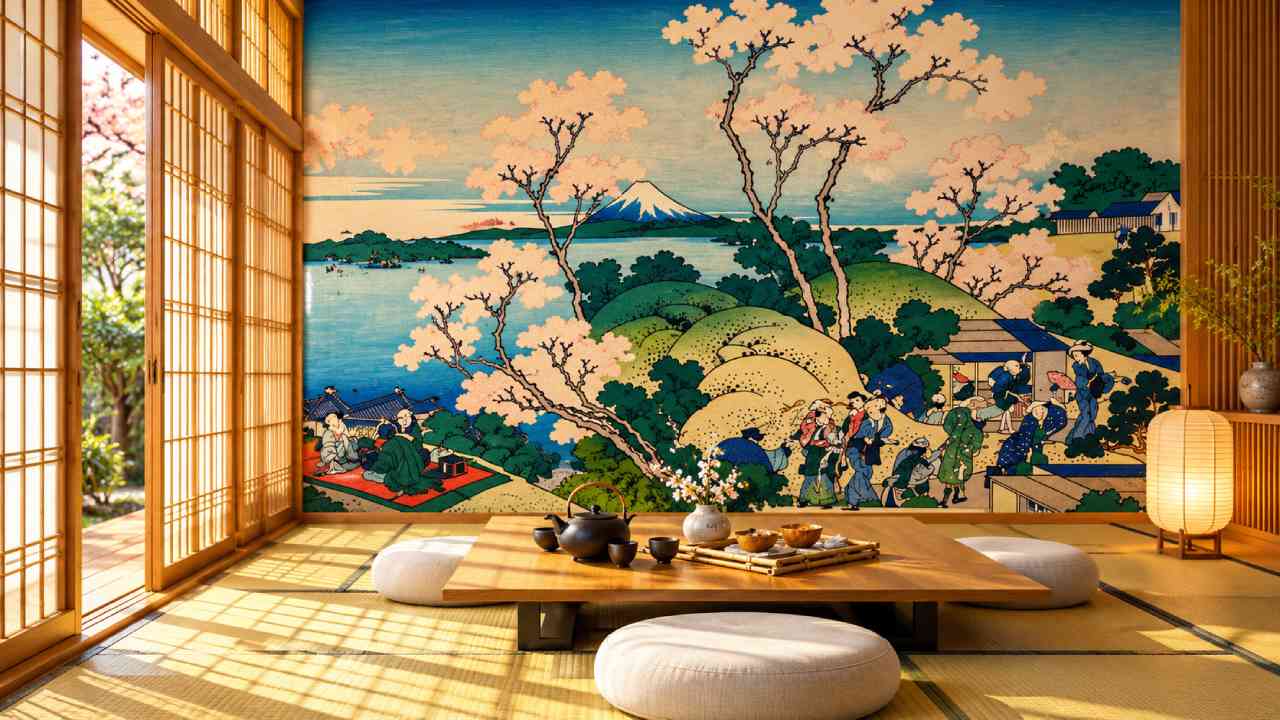
Mayumiotero – Japanese Design often proves that a space does not need many objects to feel complete. Instead, careful proportions, useful details, and natural materials can create a strong visual identity. This approach appears in homes, furniture, packaging, architecture, and everyday products across Japan. At first glance, some designs may seem extremely simple. However, that simplicity usually comes from careful decisions rather than a lack of ideas. Every object needs a reason to occupy the space. As a result, the final composition can feel calm without becoming empty or cold. Wood, paper, stone, ceramic, and neutral surfaces often support this atmosphere. Meanwhile, small details add warmth and personality. This balance explains why Japanese aesthetics continue to influence modern creative work. They show that visual impact does not always depend on decoration. Sometimes, removing unnecessary elements allows the most important details to become more noticeable.
Read Also: Microsoft Unveils New Surface Laptops With Snapdragon X2 Plus Chips
Empty Space Becomes an Important Part of the Composition
One fascinating feature of Japanese Design is the attention given to empty space. In many creative traditions, an unused area can seem unfinished. Japanese aesthetics often approach it differently. Space can separate objects, guide attention, and create a sense of calm. The concept of ma is often associated with this appreciation of intervals and space. Therefore, designers do not always rush to fill every wall, shelf, or corner. A single chair beside an open window can create more visual impact than a room crowded with decoration. Similarly, a simple package can feel sophisticated when typography and imagery have enough room to breathe. This principle also improves function because people can understand a space more easily. Moreover, visual pauses allow textures and materials to stand out. Empty space is not simply an absence of design. Instead, it becomes an active element that influences rhythm, balance, and the overall experience.
Natural Materials Bring Warmth Into Minimal Spaces
Minimalism can sometimes appear cold when surfaces feel overly polished or artificial. However, Japanese Design often avoids that problem by introducing natural materials. Wood is especially important because its grain, tone, and texture add visual warmth without requiring extra decoration. Paper, bamboo, stone, clay, and woven materials can create a similar effect. These surfaces also change subtly with light and age. Therefore, the environment can develop more character over time. A wooden table may gain small marks through daily use, while handmade ceramics may contain slight variations in shape. Rather than hiding every irregular detail, many Japanese-inspired spaces allow materials to express their natural qualities. This approach creates a strong connection between simplicity and comfort. Furthermore, natural textures provide contrast against clean architectural lines. The result feels controlled but rarely lifeless. For modern designers, this balance offers an important lesson: minimal spaces can still feel welcoming when materials contribute texture and human character.
Wabi-Sabi Changes the Meaning of Perfect Design
Modern visual culture often celebrates flawless surfaces and perfect symmetry. Yet the Japanese concept of wabi-sabi offers another perspective. It encourages an appreciation for simplicity, impermanence, and forms of natural imperfection. Within Japanese Design, this idea can appear through aged wood, handmade pottery, weathered surfaces, or objects that reveal signs of use. These details can make a space feel more personal. Instead of replacing an item because it no longer looks completely new, people may value the history visible on its surface. Consequently, beauty becomes connected to time and experience. This philosophy does not mean that every imperfect object automatically becomes good design. Care, proportion, and function still matter. However, it challenges the idea that beauty requires absolute visual perfection. For contemporary designers, that perspective feels increasingly relevant. Objects can remain elegant while showing texture, variation, and evidence of the human hands or natural processes behind them.
Traditional Ideas Continue to Shape Modern Interiors
Traditional Japanese spaces provide many ideas that remain useful in contemporary design. Sliding shoji screens, tatami layouts, low furniture, and connections with gardens demonstrate how architecture can respond to human movement. However, modern Japanese Design does not simply copy historical rooms. Instead, designers often reinterpret older principles for contemporary lifestyles. A compact apartment may use sliding partitions to create flexible zones. Likewise, built-in storage can reduce visual clutter without sacrificing daily convenience. Large windows may frame a tree or courtyard like a changing piece of artwork. These decisions connect traditional thinking with modern needs. Furthermore, flexible spaces can be valuable in dense cities where every square meter matters. This makes Japanese design relevant beyond aesthetics alone. Its principles can help solve practical challenges related to space, storage, privacy, and comfort. By adapting rather than merely reproducing tradition, modern designers can preserve a sense of cultural continuity while creating environments suited to current life.
Read Also: Creative Neighborhood Walks Make Familiar Streets Feel New Again
Function and Beauty Work Better When They Stay Connected
A beautiful object can quickly become frustrating when it is difficult to use. For that reason, function plays an important role in many examples of Japanese Design. Furniture, household products, and interiors often seek a balance between visual simplicity and everyday practicality. A storage unit may disappear into a wall. A chair may use a straightforward shape while still supporting the body comfortably. Similarly, packaging can communicate information clearly without excessive graphics. These choices may look effortless, yet they usually require careful planning. Good simplicity is difficult because there are fewer decorative elements available to hide weak decisions. Therefore, proportions, materials, construction, and usability become more visible. This approach offers a useful lesson for creative professionals. Design should not force people to choose between appearance and function. Instead, both qualities can strengthen each other. When an object works naturally and looks considered, people may form a stronger and longer-lasting relationship with it.
Japanese Design Influences Creativity Far Beyond Interiors
The influence of Japanese Design extends well beyond architecture and home interiors. Graphic designers often study Japanese typography, poster composition, packaging, and editorial layouts. Product designers may explore compact forms and efficient use of materials. Meanwhile, fashion designers can draw inspiration from proportion, layering, craftsmanship, and restrained color choices. Even digital interfaces can benefit from clear hierarchy and thoughtful use of space. However, inspiration requires more than copying a visual style. Simply adding neutral colors or Japanese-looking details does not automatically create meaningful design. Instead, creators can study the principles behind the appearance. They can ask why an object uses a certain material or why a layout contains so much breathing room. This deeper approach encourages more original results. Moreover, it respects the cultural context behind the inspiration. Japanese aesthetics remain influential because they offer more than a recognizable look. They provide creative ways to think about function, restraint, material, space, and everyday experience.
Simplicity Can Make Everyday Life Feel More Intentional
The lasting appeal of Japanese Design may come from how naturally it connects beauty with ordinary life. It does not always depend on dramatic architecture or expensive objects. A carefully positioned lamp, a handmade cup, or a clear tabletop can influence how a room feels. Likewise, thoughtful storage can reduce visual noise and make daily routines easier. These small decisions show that design can improve experience without constantly demanding attention. Moreover, simplicity creates room for personal habits and meaningful objects to stand out. A home does not need to resemble a showroom to benefit from these ideas. Instead, people can choose fewer items, consider how they use space, and pay closer attention to materials. This approach feels especially relevant in a world filled with visual information and constant consumption. Ultimately, Japanese aesthetics demonstrate a powerful creative principle: simplicity can feel beautiful when every element has purpose, balance, and enough space to breathe.