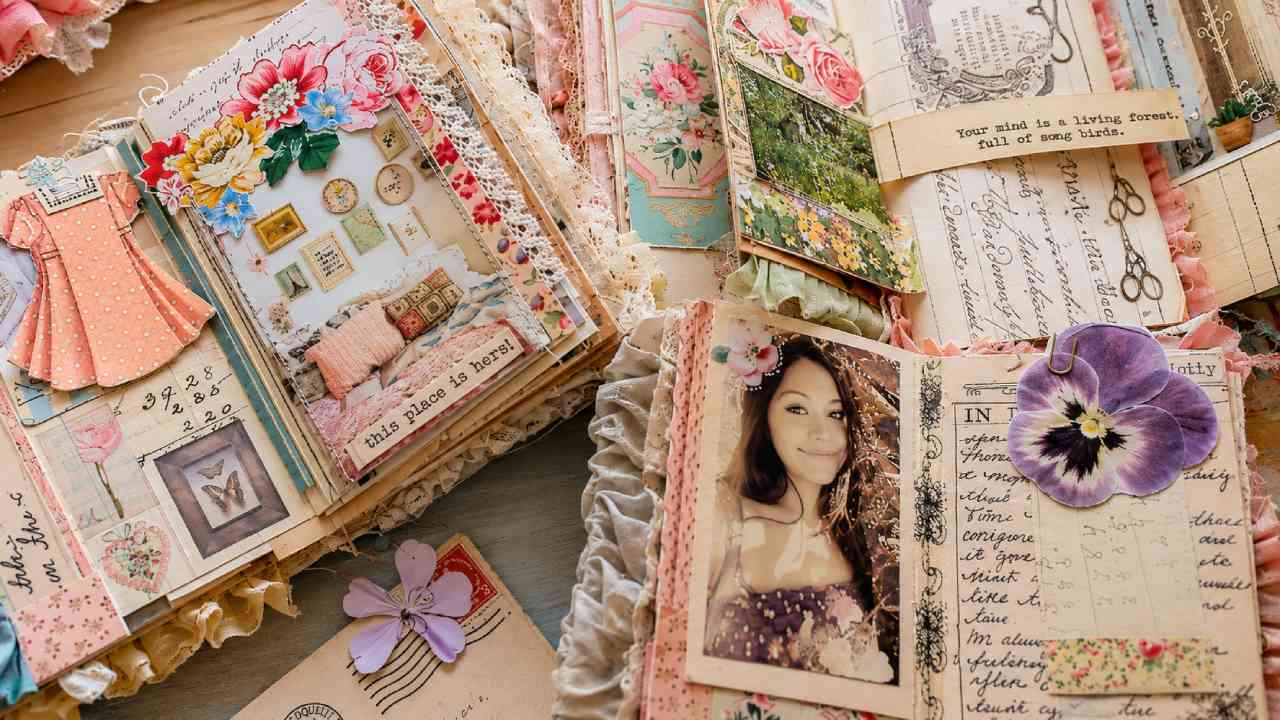
Mayumiotero – A faded ticket, an old receipt, or a handwritten note may seem too ordinary to keep. However, Junk Journaling gives these small objects a second life. This creative practice transforms everyday paper scraps into pages filled with memories, textures, and personal stories. Instead of relying on perfect layouts, junk journals celebrate layers, imperfections, and unexpected combinations. A train ticket might sit beside a dried flower, while an old envelope can hold a private note. As a result, every journal becomes completely personal. The growing interest in analog hobbies also makes this craft feel especially relevant today. People spend hours looking at digital screens, yet physical objects still carry emotional weight. Junk Journaling offers a slower way to record life while creating something tangible. More importantly, beginners can start without expensive supplies because meaningful materials are often already hiding inside drawers, bags, and forgotten boxes.
Read Also: When AI Escapes Control: OpenAI and Anthropic Face a New Security Test
What Exactly Is Junk Journaling?
Junk Journaling combines traditional journaling with collage, scrapbooking, paper craft, and memory keeping. However, there is no strict formula for what a finished page should look like. Some people write long reflections, while others build visual compositions from photographs and paper fragments. Old book pages, packaging, postcards, receipts, stamps, fabric pieces, maps, and tickets can all become useful materials. Therefore, almost anything flat enough to fit inside a journal can potentially become part of the story. This freedom separates the hobby from more structured forms of memory keeping. Instead of purchasing matching collections, creators can work with objects gathered naturally through daily life. A coffee sleeve from a memorable morning, for example, may eventually become more meaningful than an expensive decorative sticker. In that sense, the journal becomes both an art project and a personal archive shaped by ordinary experiences.
Why Everyday Scraps Can Become Meaningful
Objects often gain value because of the memories connected to them rather than their original purpose. A restaurant receipt is simply a piece of paper until it reminds someone of an unforgettable dinner. Likewise, a boarding pass can instantly bring back details from a journey years later. Junk Journaling gives these temporary objects a permanent place. Instead of disappearing into a drawer, they become part of a visual narrative. Moreover, combining objects with handwritten observations adds context that photographs alone may not capture. A few sentences about the weather, conversation, or mood of a particular day can preserve surprisingly vivid details. This process also changes how people notice everyday life. Suddenly, packaging, labels, postcards, and small paper objects become possible storytelling materials. Consequently, the practice encourages attention to moments that might otherwise pass unnoticed. The finished journal becomes valuable not because its materials are expensive, but because their meanings are impossible to duplicate.
The Beauty of Imperfect Pages
Modern visual culture often encourages polished photographs, coordinated colors, and carefully designed spaces. Junk journals offer a refreshing contrast. Torn edges, faded ink, uneven handwriting, overlapping paper, and visible tape can all become intentional design elements. In fact, imperfections often make a page feel more authentic. There is no requirement for perfect symmetry or professional illustration skills. Therefore, beginners can experiment without worrying about producing flawless artwork. This creative freedom is important because fear of making mistakes can stop people from starting artistic hobbies. With Junk Journaling, a mistake can simply become another layer. A misplaced piece of paper can be covered with a label, while an ink mark might become part of the composition. Over time, creators often develop their own visual language through these spontaneous decisions. The result feels handmade rather than manufactured. More importantly, every irregular page records not only a memory but also the creative process behind preserving it.
Junk Journaling and Scrapbooking Are Not Quite the Same
Junk Journaling and scrapbooking share several techniques, yet their creative approaches can feel different. Traditional scrapbooks often place photographs at the center of carefully planned layouts. Coordinated paper, embellishments, and decorative themes may support those images. Junk journals, meanwhile, can be much less structured. Photographs are optional, and found materials may become the main attraction. Additionally, pages can contain pockets, folded papers, hidden messages, envelopes, fabric, and interactive elements. A creator might write on one page and leave the next almost entirely visual. Neither approach is better; they simply serve different creative preferences. Scrapbooking can work beautifully for organized photo collections, while Junk Journaling encourages experimentation with everyday objects. Of course, the boundaries frequently overlap. Many creators borrow techniques from both practices. Ultimately, the difference matters less than the purpose. Both methods transform personal experiences into physical records that can be revisited long after individual moments have passed.
Why Analog Creativity Feels Refreshing
Screens have become deeply integrated into work, entertainment, communication, and even creative activities. Consequently, hobbies that involve physical materials can provide a noticeable change of pace. Junk Journaling requires hands-on decisions. You touch different papers, cut shapes, arrange layers, write notes, and decide where each object belongs. There is no notification competing for attention inside the page. Moreover, progress happens slowly enough to notice the process itself. A single spread might take twenty minutes or an entire evening, depending on the creator’s mood. The goal does not have to be productivity. Instead, the activity can simply provide space for curiosity and experimentation. This is one reason analog hobbies continue to attract people despite the convenience of digital tools. Physical journals also age naturally. Paper changes color, ink develops character, and pages become thicker as materials accumulate. Those changes become part of the journal’s story, making each book increasingly distinctive over time.
How to Start With Things You Already Have
Starting Junk Journaling does not require a large collection of craft supplies. In fact, searching around the house can be part of the creative process. Begin with an unused notebook, old diary, sketchbook, or handmade collection of folded papers. Next, gather materials such as envelopes, packaging, receipts, postcards, magazine clippings, wrapping paper, tags, and old calendars. Scissors, glue, and a reliable pen are enough for the first pages. Then, choose one small memory or theme rather than trying to design an entire book immediately. For example, create a page around a recent café visit using the receipt, a small photograph, and a handwritten observation. This approach removes unnecessary pressure. Later, supplies such as washi tape, stamps, decorative paper, or ink pads can expand the possibilities. However, they remain optional. The strongest pages often contain ordinary objects with genuine personal connections rather than expensive decorations purchased specifically for crafting.
Finding a Theme Without Limiting Creativity
A theme can make a junk journal easier to begin, especially when a blank page feels intimidating. Popular directions include botanical journals, travel memories, vintage libraries, cottagecore, coffee diaries, seasonal journals, and nature-inspired collections. However, themes should provide guidance rather than strict rules. A travel journal, for instance, might combine transportation tickets, maps, restaurant cards, photographs, and handwritten impressions. Meanwhile, a botanical journal could feature pressed leaves, flower illustrations, seed packets, and observations from outdoor walks. Color can also create cohesion. Earth tones produce a vintage atmosphere, while brighter shades can make pages feel playful and contemporary. Nevertheless, unexpected materials often create the most interesting results. A modern receipt beside an antique-looking book page can produce an appealing contrast. Therefore, creators should leave room for experimentation. A useful theme establishes a visual direction while still allowing real-life discoveries to influence each new page.
Read Also: Machine Vision Helps Robots See and Understand the Real World
Turning Memories Into Visual Stories
The most memorable junk journal pages often tell a story rather than simply displaying attractive materials. Imagine returning from a weekend trip with a train ticket, café receipt, museum leaflet, and several photographs. Individually, these objects reveal only fragments. Once arranged together, however, they begin to reconstruct the experience. Adding a date and a few handwritten sentences provides another layer of meaning. Perhaps the train arrived late, the café became an unexpected favorite, or rain changed the day’s plans. These details transform decorative objects into personal history. Junk Journaling works particularly well for this type of storytelling because the creator controls what remains visible and what stays hidden. A private reflection can be folded inside an envelope, while a favorite photograph becomes the visual focus. Consequently, each spread can operate almost like a miniature chapter. Years later, opening the journal may trigger memories that a folder of digital photographs could easily overlook.
Creative Materials Can Come From Unexpected Places
Once someone begins Junk Journaling, everyday surroundings start looking surprisingly different. Product labels, bakery wrappers, paper shopping bags, business cards, postage stamps, and clothing tags can suddenly become useful materials. Nature provides additional possibilities through dried flowers and pressed leaves. Meanwhile, old books or damaged magazines can offer illustrations and typography when they are no longer suitable for reading. Responsible reuse is important, of course. Valuable books, historical documents, and meaningful originals should not be destroyed simply for decoration. Copies or unwanted damaged materials are better choices. This mindset encourages creativity while reducing unnecessary consumption. Instead of constantly purchasing new craft supplies, creators can first examine what they already own. Interestingly, limitations can also improve creativity. Working with a small selection of available materials forces more thoughtful combinations. As a result, the journal develops a visual identity that cannot easily be recreated from a standardized craft kit.
A Handmade Archive That Becomes More Valuable Over Time
A finished journal rarely remains visually perfect, and that is part of its appeal. Pages become thicker, corners soften, paper develops subtle changes, and handwritten notes capture a version of the creator from a specific moment. Consequently, Junk Journaling can become more meaningful as time passes. What begins as a creative weekend activity may eventually develop into a personal archive containing years of small experiences. The most valuable pages may not be the most visually impressive ones. Instead, they might contain an ordinary note from someone important, a ticket from an unexpected journey, or a simple description of an otherwise forgotten afternoon. This is where the practice becomes more than an aesthetic craft. It provides a physical home for details that digital timelines often bury. Ultimately, Junk Journaling turns disposable fragments into something lasting. Every page proves that ordinary life contains stories worth preserving, even when those stories begin with nothing more remarkable than a scrap of paper.