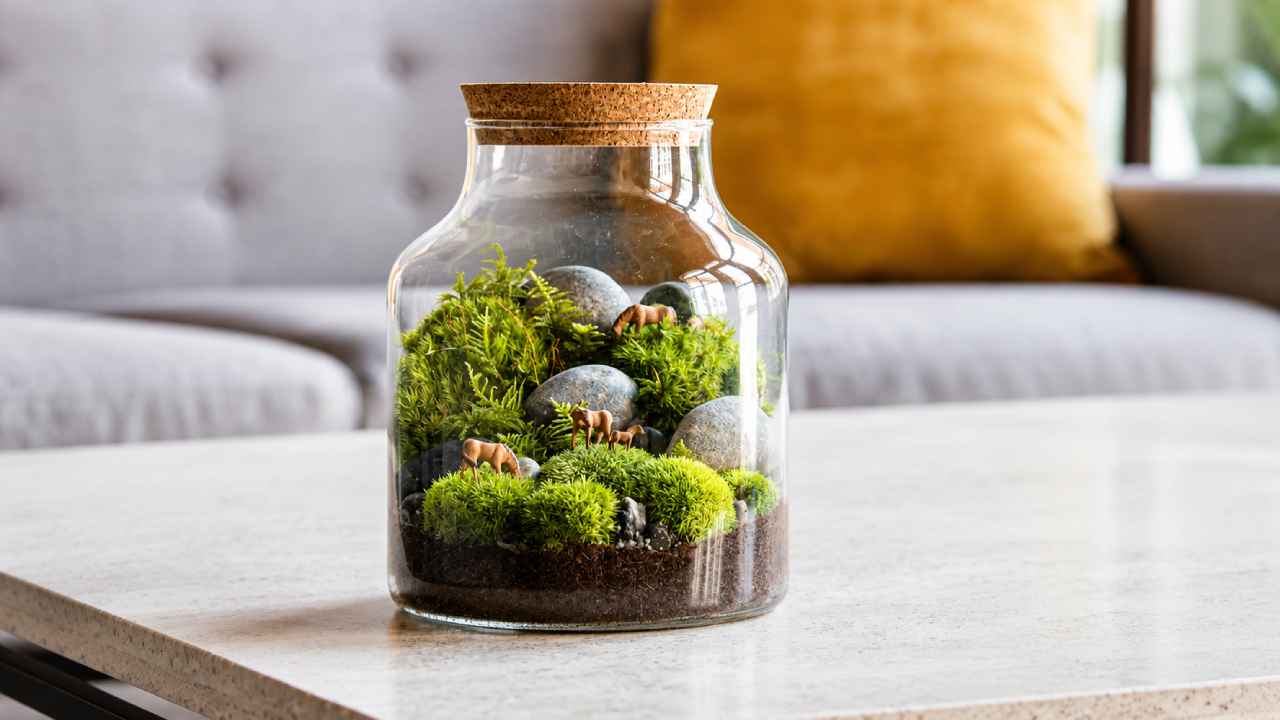
Mayumiotero – Beautiful Mini Terrariums offer a simple way to bring greenery into rooms without using much space. These small indoor gardens combine glass containers, decorative stones, soil, moss, and carefully chosen plants. As a result, they work well on desks, shelves, coffee tables, or bedside cabinets. Their transparent design also allows every natural layer to become part of the decoration. Moreover, each terrarium can reflect a different personality, from calm woodland scenes to clean minimalist arrangements. Many homeowners now prefer compact decorative pieces because modern rooms often have limited surfaces. Therefore, mini terrariums provide a practical balance between nature, creativity, and contemporary interior design. They also create a peaceful visual focus that can make an ordinary corner feel more thoughtful and inviting.
Read Also: Realme Ends Realme UI Era and Embraces ColorOS for a Unified Future
Why Mini Terrariums Suit Contemporary Interior Design
Modern homes often rely on clean lines, neutral colors, and carefully selected decorative objects. Mini terrariums fit naturally into this style because they introduce organic shapes without creating visual clutter. For example, a clear geometric container can complement a minimalist office, while a rounded glass bowl adds softness to a living room. In addition, green plants provide a fresh contrast against wood, concrete, metal, or white furniture. This contrast makes the room feel warmer without changing its main design theme. Unlike large houseplants, terrariums rarely dominate a space. Instead, they support the overall atmosphere through texture and detail. Consequently, they appeal to people who enjoy stylish interiors but still want a connection with nature. Their compact size also makes them easy to move whenever the room layout changes.
Choosing the Right Glass Container for Your Design
The container creates the first impression, so its shape should match the intended style. Open bowls and wide jars work best for dry arrangements with succulents or small cacti. Meanwhile, closed containers suit moisture-loving plants such as moss, fittonia, and miniature ferns. Clear glass remains the best choice because it displays the soil layers and decorative materials clearly. However, recycled jars can also look elegant when cleaned carefully and styled with restraint. Before choosing a container, consider its opening because narrow necks make planting more difficult. Beginners usually achieve better results with wide openings that allow easy access. Furthermore, the glass should feel stable and strong enough to hold stones, soil, and plants. A well-chosen container improves both the visual balance and the long-term health of the miniature garden.
Essential Layers That Keep a Terrarium Healthy
A successful terrarium needs more than attractive plants because each lower layer supports drainage and cleanliness. First, small pebbles create space where excess water can collect away from the roots. Next, a thin layer of activated charcoal helps reduce odors and keeps the enclosed environment fresher. A light barrier of moss can then prevent the potting mix from falling between the stones. After that, add enough soil to support the roots without filling most of the container. These visible layers also create an appealing natural pattern through the glass. Nevertheless, decoration should never replace proper planting structure. Too many stones may leave little room for healthy roots. Therefore, balance remains important. When every layer serves a clear purpose, Beautiful Mini Terrariums stay attractive while giving plants a more stable environment.
Selecting Plants with Similar Growing Needs
Plant choice determines how easy the terrarium will be to maintain. Succulents and miniature cacti need dry soil, strong airflow, and an open container. In contrast, moss, fittonia, peperomia, and small ferns enjoy higher humidity. Mixing plants with very different needs usually creates problems because one species may receive too much or too little water. Therefore, choose varieties that prefer similar light, moisture, and temperature levels. Small and slow-growing plants are especially useful because they keep their shape longer. Before planting, inspect every leaf and root for pests or damage. Healthy plants adapt faster and reduce the risk of decay inside the glass. In my view, using only two or three plant varieties often creates a more elegant result than filling the container with too many competing shapes.
Building a Balanced Terrarium Arrangement
A strong arrangement usually includes different heights, textures, and empty spaces. Begin by placing the tallest plant slightly away from the center to create a natural focal point. Then, position smaller plants nearby while leaving enough room for future growth. Decorative stones, bark, or moss can fill selected gaps, but they should not cover the entire soil surface. Negative space matters because it keeps the miniature landscape from looking crowded. Additionally, turning the container during the design process helps you check the composition from every angle. Terrariums often sit in open rooms where people see more than one side. Therefore, the arrangement should feel balanced from several viewpoints. A simple design usually looks more refined than an overly busy one. Careful spacing also makes cleaning, trimming, and watering much easier later.
Creative Themes for Stylish Home Decor
Mini terrariums can follow many themes without losing their natural character. A modern design may use white stones, dark soil, and one sculptural succulent. Meanwhile, a woodland theme can feature moss, miniature ferns, bark, and smooth brown pebbles. Coastal designs often include pale sand, light stones, and blue-green plants, although shells should be used sparingly. For a Japanese-inspired look, combine moss, dark rocks, and clean open space. Small decorative objects can add personality, yet too many ornaments may make the arrangement feel artificial. Instead, select one subtle detail that supports the theme. Moreover, the terrarium should match the colors and materials already present in the room. When the design connects with its surroundings, the container feels like a thoughtful part of the interior rather than a separate craft project.
Read Also: Understanding Foldable and Flexible Screen Technology in Modern Devices
Simple Care Tips for Long-Lasting Terrariums
Terrariums need gentle care because their small environment reacts quickly to excess water or harsh sunlight. Place the container near bright, indirect light instead of directly beside a hot window. Strong sunlight can heat the glass and damage delicate leaves. Water only when the soil begins to look dry, especially in open succulent arrangements. Closed terrariums require even less water because moisture continues circulating inside them. If heavy condensation covers the glass for several days, open the lid briefly to improve airflow. Remove yellow leaves as soon as possible so they do not encourage mold. Furthermore, rotate the container occasionally to support even growth. These small habits take little time, yet they help Beautiful Mini Terrariums remain clean, healthy, and visually appealing for much longer.
Common Mistakes That Can Damage Mini Terrariums
Overwatering remains the most common mistake because glass containers often have no drainage hole. A small amount of water can stay trapped for days and eventually cause root rot. Another mistake involves placing moisture-loving plants beside desert plants. Although the arrangement may look attractive at first, their different needs soon create stress. Many beginners also choose plants that grow too quickly for the container. As a result, the miniature landscape becomes crowded and loses its original shape. Direct afternoon sunlight can cause further damage by turning the glass into a small greenhouse. In addition, heavy decorative layers may block airflow around the stems. Fortunately, careful planning prevents most of these problems. Choosing compatible plants, watering lightly, and observing changes each week will protect the arrangement and reduce unnecessary maintenance.
Mini Terrariums as a Creative and Meaningful Hobby
Creating a terrarium can feel relaxing because the process encourages patience and close attention to detail. Arranging stones, shaping soil, and positioning small plants offers a welcome break from screens and daily routines. Moreover, each finished piece becomes personal because no two natural arrangements look exactly the same. This creative activity also works well for families, beginners, and people with limited gardening space. A handmade terrarium can become a thoughtful gift for housewarmings, birthdays, or office celebrations. It carries more meaning than many mass-produced decorations because the maker invests time and imagination in every layer. Beautiful Mini Terrariums may also inspire a small home business, especially when designs follow seasonal or personalized themes. Ultimately, they combine decoration, gardening, and creativity in one compact project.