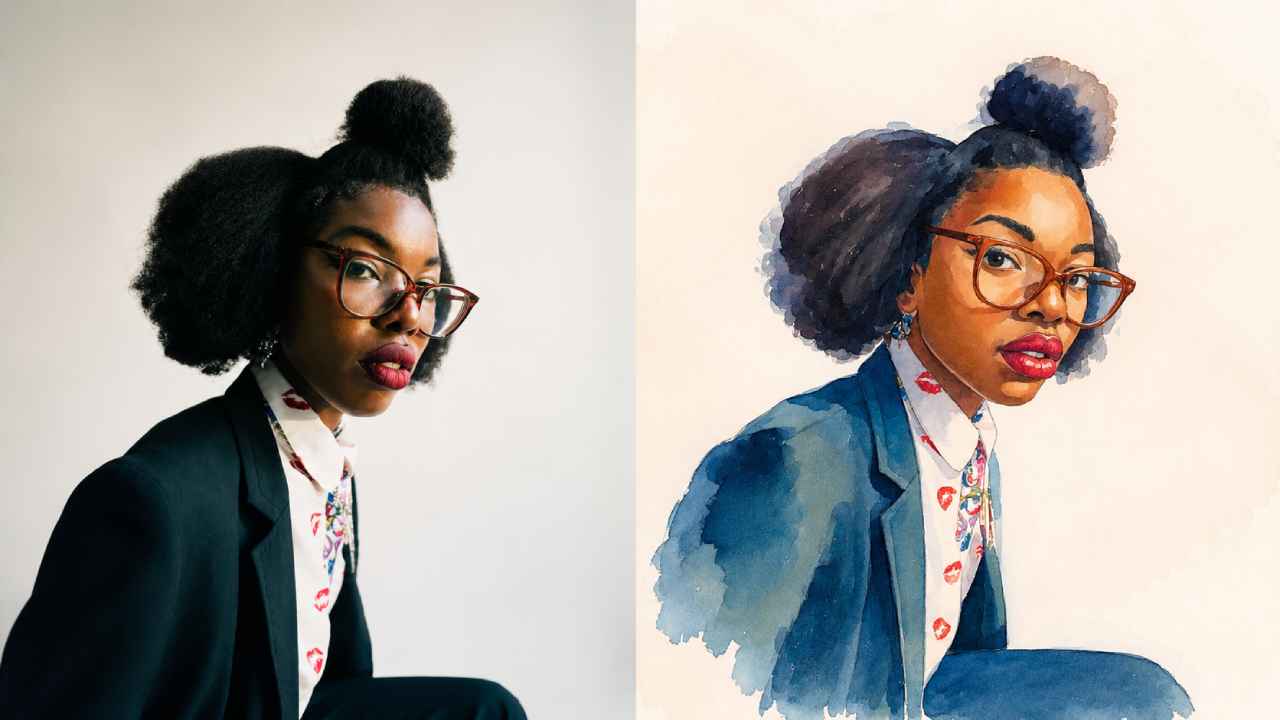
Mayumiotero – How AI Style Transfer creates stunning artistic images is becoming an important topic in modern visual technology. This method allows creators to combine the structure of one image with the artistic character of another. As a result, an ordinary photograph can look like a watercolor painting, digital illustration, ink sketch, or cinematic artwork. More importantly, the process does not always require advanced drawing skills. AI handles much of the visual transformation, while the user guides the concept, mood, and final direction. Therefore, style transfer has become useful for designers, photographers, marketers, and content creators who need fresh visual ideas in less time.
Read Also: DeepSeek Quietly Develops Its Own AI Chip, Putting Nvidia on Alert
What AI Style Transfer Actually Means
AI style transfer is a process that separates the content of an image from its visual style. The content usually includes people, objects, shapes, and composition. Meanwhile, the style includes color, texture, brushwork, contrast, and lighting. The AI studies both elements and combines them into one new image. For example, a city photograph may keep its buildings and streets while adopting the soft texture of a watercolor painting. Similarly, a portrait can retain the person’s face while gaining the dramatic lighting of a digital artwork. This ability makes style transfer different from a simple photo filter. Filters usually apply fixed color changes. In contrast, AI can rebuild textures and visual patterns across the entire image. Therefore, the final result often feels more detailed and artistic.
How AI Style Transfer Analyzes an Image
Before changing an image, the system first studies its structure. It identifies edges, shapes, objects, facial features, and spatial relationships. This stage helps the model understand what should remain recognizable after the transformation. Next, the AI analyzes the reference style. It looks at patterns such as brush strokes, color combinations, shadows, and surface detail. Then, the model creates a balance between content and style. If the style influence is too strong, the original subject may become difficult to recognize. However, if the influence is too weak, the image may look almost unchanged. Therefore, effective style transfer depends on careful control. In my view, the best results appear when the subject remains clear while the artistic effect adds personality rather than hiding important details.
How AI Style Transfer Builds New Visual Texture
Texture plays a major role in artistic images. A painting may contain visible brush marks, while a pencil drawing may use fine lines and shading. AI style transfer attempts to reproduce these visual qualities across the target image. The system does not simply place one image on top of another. Instead, it recreates patterns based on the selected style. For instance, smooth skin in a portrait may become layered with painted strokes. A bright sky may gain grain, color variation, or abstract movement. As a result, the output can feel more like a newly created artwork than an edited photograph. However, texture should support the subject. Too much detail can make faces look unnatural or reduce clarity. Therefore, users often need to adjust style strength, sharpness, and contrast to achieve a balanced result.
The Role of Neural Networks in Style Transfer
Early AI style transfer systems often used convolutional neural networks. These networks could detect visual features at different levels. Lower layers identified edges and colors, while deeper layers recognized objects and complex patterns. Modern systems may also use diffusion models and transformer-based technology. These models provide more control over details, composition, and artistic direction. In addition, they can respond to text prompts. A creator may request a soft watercolor look, cinematic lighting, or a vintage illustration style. The AI then combines the prompt with the source image. Consequently, current tools can produce more varied and polished results than older filter-based applications. Even so, human judgment remains essential because the model may still distort hands, faces, text, or small objects.
Why Artists and Designers Use Style Transfer
Artists and designers use AI style transfer because it speeds up visual exploration. Instead of creating every concept from the beginning, they can test several styles quickly. This process is especially helpful during mood-board creation, early design development, and campaign planning. For example, a designer may apply different visual styles to the same product image. One version may look minimal and modern, while another may feel colorful and playful. The team can then compare the options before investing time in final production. Furthermore, style transfer can help creators overcome creative blocks. It introduces unexpected textures, colors, and compositions that may inspire new ideas. However, professional creators usually treat the output as a starting point. They refine the image, correct details, and add their own direction before publishing it.
Common Uses in Photography and Social Media
Photography is one of the most common areas for AI style transfer. Portraits can become painted illustrations, while landscapes can take on a dreamlike or cinematic mood. Travel photos may also gain a vintage postcard appearance or a soft editorial finish. On social media, unique visuals can attract attention because they look different from standard photographs. Creators often use style transfer for profile images, campaign posts, digital posters, and short-form video covers. In addition, brands may create consistent visual themes across several posts. However, consistency matters. A feed that uses too many unrelated styles may appear confusing. Therefore, creators should select a clear visual direction and apply it carefully. A recognizable style can strengthen brand identity, while random effects may reduce trust.
How Style Transfer Supports Film and Game Production
Film and game studios can use style transfer during concept development. It helps teams visualize environments, costumes, lighting, and character moods before full production begins. For example, a simple landscape photo can become a fantasy world, futuristic city, or dark cinematic scene. This technique is useful because concept teams often need many visual options in a short period. AI can generate several directions, while artists choose and refine the strongest ideas. In game development, style transfer may also support texture creation and environment design. Nevertheless, final assets still require technical control. They must match the project’s quality standards, resolution, animation needs, and visual consistency. Therefore, AI works best as part of a larger creative workflow rather than as a complete replacement for professional artists.
Benefits for Content Creators and Small Businesses
Small businesses and independent creators often have limited time and design budgets. AI style transfer can help them produce distinctive visuals without building every asset from scratch. A simple product photo can become an illustrated advertisement or editorial image. Moreover, creators can test different campaign styles before choosing one. This flexibility reduces the cost of early experimentation. It also allows smaller teams to produce more content. However, speed should not replace quality control. AI-generated visuals may contain inaccurate logos, strange details, or inconsistent product shapes. Therefore, every image should be reviewed carefully before publication. For commercial use, creators should also check the licensing rules of the platform they use.
Important Limitations to Understand
Although AI style transfer can produce impressive results, it still has limitations. The model may struggle with complex faces, small text, transparent objects, and detailed patterns. It may also change features that should remain accurate. Another concern involves originality and copyright. Some visual styles are strongly associated with individual artists or protected works. Therefore, users should avoid directly copying a living artist’s distinctive style for commercial gain. A safer approach is to describe broader visual qualities, such as soft watercolor textures, geometric abstraction, or vintage poster design. In addition, users should choose tools with clear usage terms. Ethical practice supports long-term trust and reduces legal risk.
Read Also: Bohemian Design Continues to Inspire Cozy and Creative Living Spaces
Tips for Creating Better Artistic Images
Good source images usually produce better results. Clear lighting, strong composition, and visible subjects give the AI more useful information. Therefore, creators should begin with high-quality photographs whenever possible. It also helps to choose a style that matches the subject. A delicate watercolor effect may suit flowers or portraits, while bold graphic textures may work better for posters. Furthermore, users should test several style strengths. A subtle effect often keeps more natural detail, while a stronger effect creates a dramatic result. After generation, basic editing can improve color balance, sharpness, and composition. In my experience, the most professional results come from combining AI output with human editing.
How AI Style Transfer May Evolve
AI style transfer is moving beyond static images. New systems can apply visual styles to video, animation, and interactive content. This development may support real-time effects for livestreaming, virtual production, and augmented reality. Future tools may also offer more precise control. Users could adjust the style of individual objects rather than changing the whole image. For example, a creator might keep a face realistic while turning the background into a painted scene. In addition, improved models may reduce visual errors and preserve identity more accurately. These changes could make style transfer useful across advertising, education, entertainment, and digital storytelling. Even so, human creativity will remain central because technology can generate options, but people still decide what feels meaningful.
Why Human Direction Still Matters
AI can transform images quickly, but it does not fully understand emotion, cultural meaning, or brand intention. A visually impressive image may still feel wrong for the audience. Therefore, creators must guide the process with clear goals. Human direction influences the choice of style, color, mood, and message. It also determines whether the output is appropriate, original, and useful. In practice, the strongest results come from collaboration. AI provides speed and variation, while people provide context and judgment. This balance helps explain how AI style transfer creates stunning artistic images without removing the value of human creativity.