Mayumiotero – Over the past few years, the design industry has experienced significant changes as brands seek cleaner and more sophisticated visual identities. Among the many trends that have emerged, Editorial Magazine Style has become one of the most influential approaches in modern design. Inspired by premium print magazines, this style emphasizes strong imagery, elegant typography, and balanced layouts. As a result, many businesses now use it to communicate professionalism and credibility. Furthermore, consumers increasingly prefer designs that feel refined rather than cluttered. Because digital audiences process information quickly, visual clarity has become more important than ever. Consequently, Editorial Magazine Style continues gaining popularity across various industries.
Read Also: Researchers Trace Europe’s GPS Disruptions to a Surprising Source in Space
Understanding What Editorial Magazine Style Means
At its core, Editorial Magazine Style is a design approach that borrows principles from luxury magazines and professional publications. Instead of relying on excessive graphics, it focuses on composition, hierarchy, and storytelling. Large photographs often serve as focal points, while typography guides the reader through the content. Additionally, whitespace plays a critical role in maintaining visual balance. This careful arrangement helps readers absorb information comfortably. Unlike heavily decorated layouts, Editorial Magazine Style creates elegance through simplicity. Therefore, many designers consider it a timeless approach rather than a temporary trend. Its versatility also allows it to work across print and digital platforms.
Why Brands Are Embracing This Design Trend
Many modern brands have adopted Editorial Magazine Style because it instantly elevates perceived value. Consumers often associate clean and organized visuals with quality and trustworthiness. Therefore, businesses can strengthen their image simply by improving design presentation. Moreover, this style helps products and messages stand out without overwhelming the audience. Luxury brands, technology companies, and media organizations frequently use editorial-inspired layouts to reinforce their positioning. In addition, consistent visual storytelling helps build stronger emotional connections with consumers. As competition continues increasing, effective design becomes a strategic advantage. Consequently, Editorial Magazine Style has become a preferred choice for companies seeking long-term brand growth.
The Key Elements That Define Editorial Magazine Style
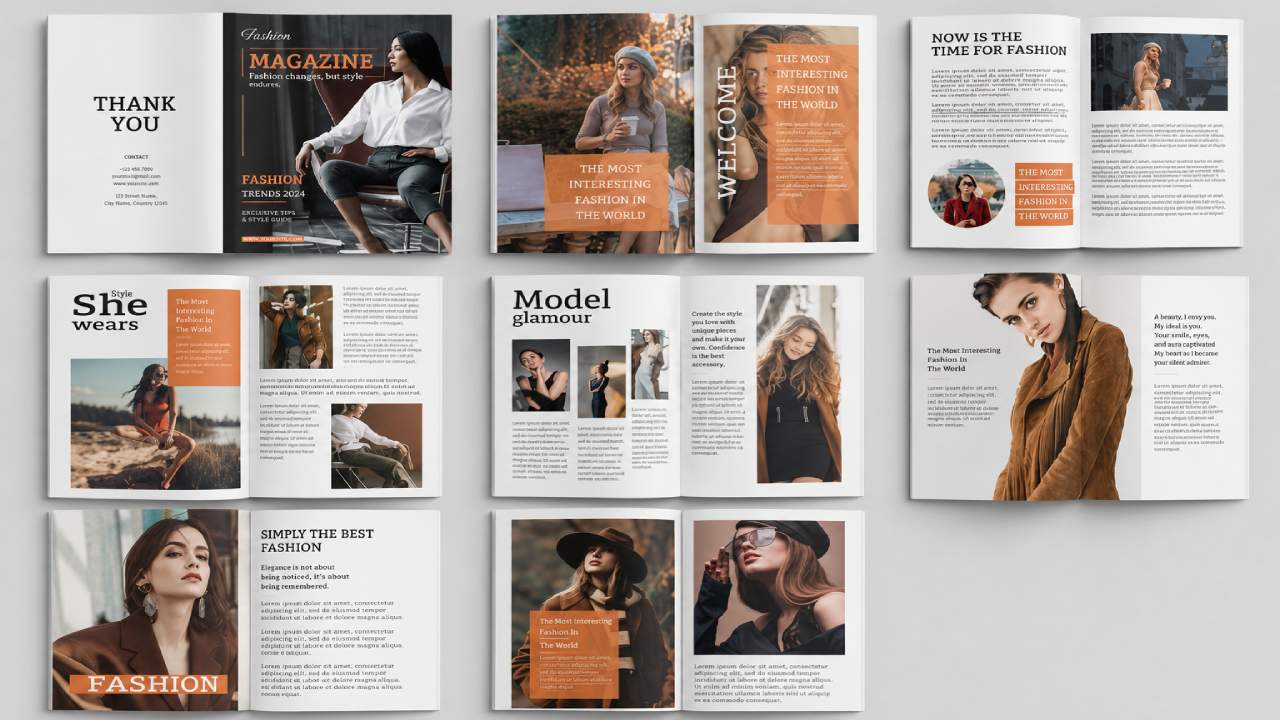
Several visual components distinguish Editorial Magazine Style from other design approaches. First, high-quality photography serves as a central element. Images are often large, detailed, and professionally produced. Second, typography receives significant attention, with carefully selected fonts creating hierarchy and personality. Third, layouts prioritize balance and readability rather than excessive decoration. Furthermore, whitespace is used intentionally to create breathing room between elements. This technique improves visual comfort and directs attention to important content. Additionally, color palettes are usually restrained and purposeful. Together, these elements create a polished appearance that feels both modern and sophisticated.
The Influence of Print Media on Digital Design
Although the world has become increasingly digital, traditional print media continues influencing visual communication. Many principles used in Editorial Magazine Style originated from magazine publishing, where layout precision was essential. Designers learned how to guide readers through content using typography, imagery, and spacing. Today, those same principles are applied to websites, digital advertisements, and social media campaigns. As a result, modern digital experiences often feel more refined and engaging. Furthermore, audiences appreciate familiar visual structures that make information easier to understand. Therefore, the transition from print to digital has strengthened rather than diminished the relevance of editorial design principles.
Read Also: Unique and Fun Lunch Box Ideas for Kids That Make Them Excited to Eat at School
Why Editorial Magazine Style Improves User Experience
Good design is not only about appearance; it is also about functionality. One of the greatest strengths of Editorial Magazine Style is its ability to enhance user experience. Clear layouts help visitors navigate information efficiently, while visual hierarchy reduces confusion. In addition, strategic use of whitespace prevents content from feeling overwhelming. Readers can focus on key messages without unnecessary distractions. This approach becomes especially valuable in a world where attention spans are becoming shorter. Moreover, clean and organized designs often lead to longer engagement times. Consequently, businesses that implement Editorial Magazine Style frequently benefit from improved audience interaction.
How Social Media Accelerates the Trend
Social media platforms have contributed significantly to the growth of Editorial Magazine. Content creators, influencers, and brands increasingly prioritize visually appealing posts that communicate professionalism. Because editorial-inspired visuals photograph well, they perform effectively across platforms such as Instagram, Pinterest, and LinkedIn. Furthermore, users often associate polished content with authority and expertise. This perception encourages greater trust and engagement. As a result, many businesses invest in editorial-style branding to remain competitive online. Additionally, social media algorithms tend to reward content that captures attention quickly. Therefore, strong visual presentation has become more important than ever.
The Future of Editorial Magazine Style
Looking ahead, Editorial Magazine is expected to remain highly relevant in the design industry. While technology and creative tools will continue evolving, the core principles of strong imagery, thoughtful typography, and balanced layouts are timeless. Furthermore, audiences increasingly value authenticity and clarity in visual communication. This preference aligns perfectly with the philosophy behind editorial design. In addition, advancements in digital publishing may create even more opportunities for innovative applications of the style. Consequently, designers and brands are likely to continue embracing editorial aesthetics. Ultimately, Editorial Magazine represents a perfect blend of elegance, functionality, and modern storytelling.