Mayumiotero – Touchscreens & Gesture Control have fundamentally transformed how humans interact with digital devices. In the past, most computer interactions relied on keyboards, mice, or physical buttons. However, modern interactive displays allow users to control digital content directly with their fingers or hand movements. This shift has made technology feel more natural and intuitive. For example, a simple swipe can scroll through pages, while a pinch gesture can zoom into images. These interactions mimic natural human behavior, which is why people quickly adapt to them. As a result, devices using Touchscreens & Gesture Control often feel easier to use than traditional interfaces. Moreover, the technology has expanded beyond smartphones and tablets. Today, interactive displays appear in cars, medical equipment, retail kiosks, and educational tools. Consequently, the role of these technologies continues to grow as digital ecosystems become more immersive and responsive.
“Read Also: Before Becoming a Global Video Giant, YouTube Almost Started as a Dating Platform“
The Early Development of Touchscreen Technology
The idea behind touchscreens did not appear overnight. In fact, early experiments with touch-sensitive displays began in the 1960s. At first, these systems were limited and could only detect a single point of contact. Nevertheless, they laid the foundation for modern multi-touch technology. Years later, engineers developed screens that could recognize multiple touches simultaneously. This breakthrough allowed users to perform gestures such as pinching, rotating, or dragging objects. When smartphones introduced this technology to the mainstream market, user interaction changed dramatically. People no longer needed complex instructions to operate devices. Instead, they could simply interact with the screen in an intuitive way. Furthermore, improvements in capacitive touch technology increased accuracy and responsiveness. Consequently, touchscreens quickly became the dominant interface for modern consumer electronics.
Understanding How Gesture Control Works
While touchscreen technology requires physical contact with a display, gesture control operates differently. Instead of touching the screen, users interact with devices through movements in the air. This technology relies on sensors such as cameras, infrared detectors, or radar-based systems to recognize hand motions. Once the system detects a gesture, software algorithms translate the movement into a command. For instance, waving a hand might change a slide in a presentation, while a circular motion could adjust volume. Because of this capability, gesture control offers a futuristic form of interaction. In addition, the technology reduces physical contact with devices, which can be useful in sterile environments like hospitals. As sensor technology improves, gesture recognition continues to become faster and more accurate.
Why Interactive Displays Feel Natural to Humans
One reason Touchscreens & Gesture Control are so popular is that they align closely with natural human behavior. Humans naturally use their hands to point, grab, or manipulate objects. When technology mimics these gestures, interaction becomes easier and more intuitive. For example, dragging an icon across a screen feels similar to moving an object on a table. Because of this familiarity, users often learn touchscreen interfaces without formal training. Furthermore, these technologies reduce cognitive load. Instead of memorizing commands, users can rely on simple movements. This intuitive design is particularly beneficial for children and elderly users. Consequently, interactive displays make digital technology more accessible for people of all ages.
Applications in Everyday Devices
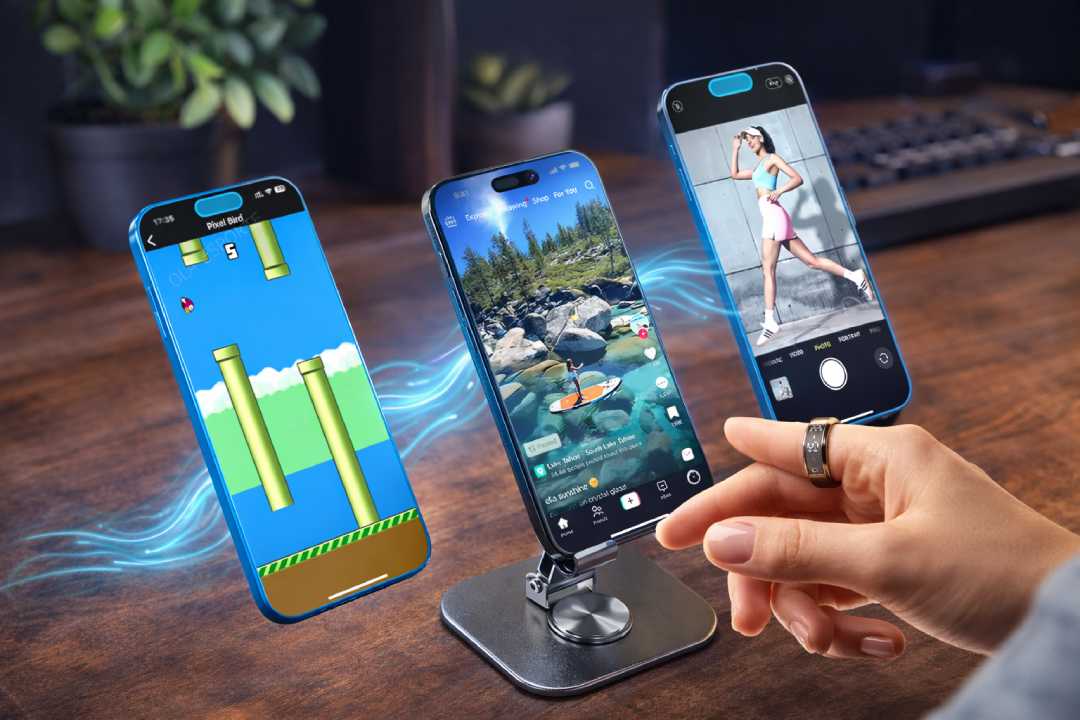
Today, Touchscreens & Gesture Control appear in a wide range of devices. Smartphones remain the most common example, but the technology extends far beyond mobile devices. Interactive kiosks in airports and shopping malls allow users to access information quickly. Meanwhile, car manufacturers integrate gesture controls into infotainment systems. Drivers can adjust music or navigation without touching the screen. In education, interactive smart boards allow teachers and students to manipulate visual content during lessons. Additionally, gaming consoles use motion sensors to create immersive experiences. These examples demonstrate how interactive display technologies have become part of everyday life.
“Read Also: Understanding Interior Design A Simple Guide for Beginners“
Advantages of Touchscreens and Gesture Interfaces
Touchscreens and gesture interfaces offer several advantages over traditional control methods. First, they simplify the user experience. Instead of navigating complex menus, users can perform simple gestures. Second, these technologies support more engaging visual interfaces. Designers can create dynamic layouts that respond instantly to user input. Third, interactive displays encourage faster interactions. Users can access information quickly without relying on external devices like a mouse. Furthermore, gesture-based interfaces enable hands-free operation in certain contexts. For instance, surgeons may control digital imaging systems without touching the screen. Because of these benefits, many industries continue to adopt interactive display technology.
Challenges and Limitations of the Technology
Despite their advantages, Touchscreens & Gesture Control still face several challenges. One issue involves accuracy. Gesture recognition systems must correctly interpret movements, which can sometimes be difficult in complex environments. Lighting conditions or sensor limitations may affect performance. Additionally, extended use of large touchscreens can lead to physical fatigue. This phenomenon, often called “gorilla arm,” occurs when users repeatedly reach toward vertical displays. Another challenge relates to hygiene. Public touchscreen surfaces can collect fingerprints and germs. Consequently, developers continue exploring alternative solutions such as contactless gesture systems. Addressing these limitations remains essential for the future development of interactive technologies.
The Future of Touchscreens & Gesture Control
Looking ahead, the future of Touchscreens & Gesture Control appears promising. Technology companies are investing heavily in more advanced interactive systems. For example, artificial intelligence can improve gesture recognition accuracy. Meanwhile, augmented reality and holographic displays may eliminate the need for physical screens altogether. In such systems, users could interact with floating digital objects in three-dimensional space. Furthermore, wearable devices and smart glasses may integrate gesture-based controls to enhance convenience. As these innovations evolve, human–technology interaction will likely become even more immersive and intuitive. Ultimately, Touchscreens & Gesture Control represent an important step toward a more natural and seamless digital experience.