Mayumiotero – MicroLED Technology The Future of Ultra-Bright and Energy-Efficient Displays is no longer a futuristic concept reserved for research labs. Instead, it is steadily moving into real-world applications, from premium televisions to next-generation wearable devices. As display demands continue to grow, consumers want brighter screens, lower power consumption, and longer durability. Therefore, manufacturers are racing to develop solutions that outperform OLED and LCD. In this context, MicroLED emerges as a serious contender. From my perspective as a technology observer, the shift feels similar to the transition from plasma to LED years ago. At first, it seems niche and expensive. However, once production scales, the impact becomes industry-wide. Consequently, MicroLED is not just another display upgrade. It represents a structural evolution in how pixels emit light and deliver visual performance.
“Read Also: OpenAI Strikes Pentagon Deal Hours After Anthropic Ban, Signaling a New Era for Military AI“
Understanding How MicroLED Actually Works at the Pixel Level
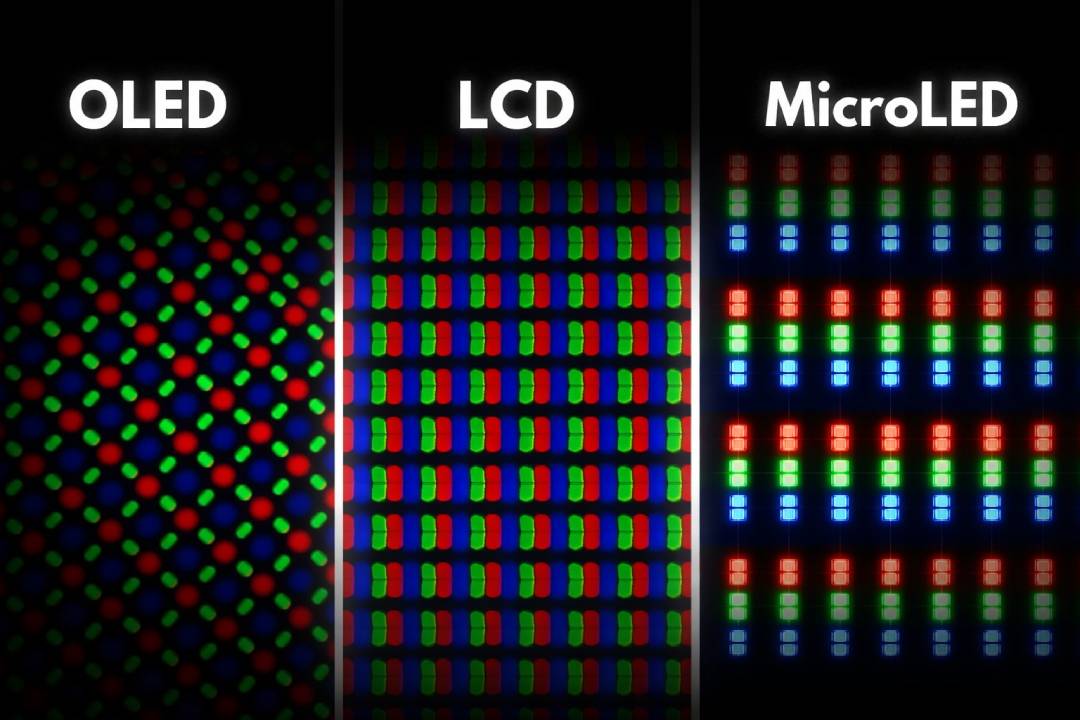
To truly appreciate MicroLED, we must first understand its architecture. Unlike LCD panels, which rely on a backlight, MicroLED uses microscopic inorganic LEDs that emit their own light. Each pixel consists of tiny red, green, and blue LEDs. As a result, every pixel operates independently. This independence allows for precise brightness control and deeper blacks. Moreover, because the material is inorganic, it is more stable over time compared to OLED’s organic compounds. In practical terms, this means better longevity and color consistency. While the manufacturing process remains complex, especially during mass transfer assembly, the fundamental science is elegantly simple. Each pixel becomes its own light source. Therefore, image accuracy improves dramatically. In my view, this pixel-level control is the core reason MicroLED stands out in the display race.
Why Brightness Is a Game-Changer in Real-World Usage
Brightness is often underestimated until users step outdoors or use augmented overlays. MicroLED panels can achieve significantly higher peak brightness than OLED. Consequently, they remain visible even under strong sunlight. This makes them ideal for outdoor displays, automotive dashboards, and AR headsets. In comparison, OLED panels, while vibrant, can struggle under extreme lighting conditions. Furthermore, higher brightness does not necessarily mean higher power consumption in MicroLED systems. Because only active pixels illuminate, energy efficiency remains strong. From a usability standpoint, this matters greatly. After all, modern users demand screens that adapt seamlessly to different environments. Therefore, MicroLED does not merely improve brightness numbers on paper. It enhances practical usability in real-life scenarios, which ultimately defines technological relevance.
Energy Efficiency and the Shift Toward Sustainable Displays
As sustainability becomes a central concern in technology, energy efficiency plays a decisive role. MicroLED excels because it activates only the pixels that are needed. In contrast, traditional LCD screens keep their backlight on across the panel. Consequently, unnecessary energy consumption occurs. OLED improves this issue, yet it still faces efficiency trade-offs at higher brightness levels. MicroLED, however, maintains strong efficiency even when brightness increases. This balance is crucial for battery-powered devices such as smartwatches and AR glasses. In addition, longer lifespan reduces electronic waste over time. From an industry perspective, this efficiency aligns with global sustainability goals. Therefore, MicroLED is not only a performance upgrade. It is also a strategic step toward greener display technologies, which increasingly influence purchasing decisions.
Burn-In Resistance and Long-Term Durability Advantages
One common concern with OLED displays is burn-in. Over time, static images can leave permanent marks due to organic material degradation. MicroLED avoids this issue because it uses inorganic LED materials. As a result, image retention problems are dramatically reduced. This durability advantage becomes critical for professional monitors, control panels, and digital signage. Moreover, industrial environments require displays that maintain accuracy for years. Therefore, MicroLED offers peace of mind where reliability is essential. In my experience analyzing display trends, durability often becomes the deciding factor in enterprise adoption. While consumers focus on brightness and color, businesses prioritize stability and maintenance cost. Consequently, MicroLED’s resistance to burn-in strengthens its position in both premium consumer markets and professional sectors.
Manufacturing Challenges and Why Costs Remain High
Despite its promise, MicroLED is not yet mainstream. The primary reason lies in manufacturing complexity. The process of transferring millions of microscopic LEDs onto a substrate with precision is technically demanding. Even minor alignment errors can affect image quality. Therefore, production costs remain high. However, history shows that early-stage technologies often face similar hurdles. LCD and OLED also started as expensive innovations before scaling reduced prices. As manufacturing techniques improve, especially in automated mass transfer systems, costs are expected to decrease. From an economic standpoint, this transition phase is normal. Thus, while MicroLED currently targets premium segments, broader adoption appears inevitable over time.
“Read Also: The Trend of Minimalist Canopy Models: Making Your Home Elegant, Aesthetic, and Modern“
MicroLED in Wearables, XR, and Automotive Displays
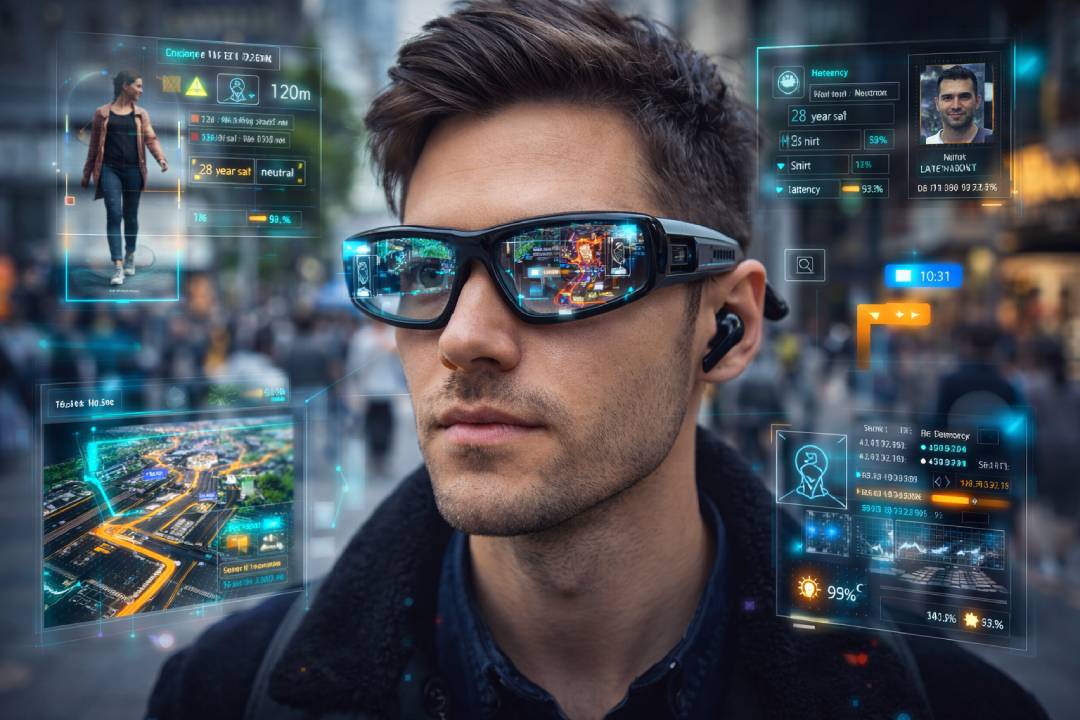
Looking ahead, MicroLED’s real potential shines in compact devices. Because MicroLED panels can be extremely small yet incredibly bright, they are ideal for microdisplays in XR headsets. Additionally, smartwatches benefit from improved battery life and visibility. Automotive dashboards also gain from higher brightness and long-term stability. Consequently, MicroLED supports industries that demand both performance and durability. Compared to traditional panels, its modular design allows flexible scaling. This flexibility encourages innovation across product categories. From my perspective, the intersection of MicroLED and wearable technology will define the next display breakthrough. When compact devices deliver cinema-level brightness with minimal energy use, user expectations permanently shift.
Market Outlook and the Long-Term Industry Transformation
In conclusion, MicroLED Technology The Future of Ultra-Bright and Energy-Efficient Displays signals a long-term transformation rather than a temporary trend. Although costs remain high, technical advantages are undeniable. Brighter output, superior efficiency, and enhanced durability create a compelling value proposition. As production scales, adoption will expand beyond flagship devices. Therefore, the industry appears to be on the edge of a new display era. From a strategic viewpoint, companies investing early in MicroLED research may gain a decisive advantage. Ultimately, display technology shapes how humans interact with digital information. For that reason, MicroLED Technology is not just an incremental improvement. It represents the next foundational chapter in visual innovation.